
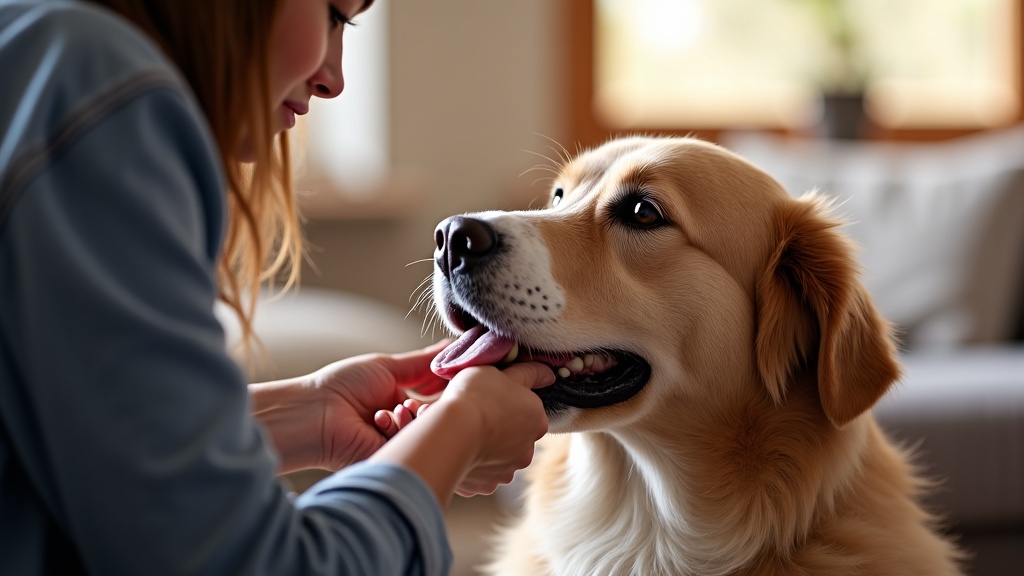
When to Worry About an Old Dog: Signs That Need a Vet
I’ll never forget the moment I realized Cooper’s mouth wasn’t just mildly swollen. When aging dogs suddenly can’t eat, won’t lift their head, or show dramatic behavior changes, you call the vet immediately—these are red-flag emergencies. But the truly dangerous signs are often subtle: the gradual weight loss you rationalize as normal aging, the increased thirst you chalk up to summer heat, or the slight limp that comes and goes.
After losing my golden at nine to oral melanoma I didn’t catch early enough, I spent two years reading veterinary oncology studies and interviewing geriatric vet specialists. Here’s what I learned about distinguishing normal senior changes from symptoms that need professional attention.
Emergency Signs: Call Your Vet Right Now
Some symptoms in senior dogs signal life-threatening conditions. If your old dog shows any of these, contact your veterinarian immediately or head to an emergency clinic:
- Collapse or inability to stand: Even if they recover quickly, sudden weakness can indicate heart failure, internal bleeding, or neurological crisis
- Labored breathing or blue-tinged gums: Respiratory distress doesn’t improve on its own in senior dogs
- Distended, hard abdomen: Especially in deep-chested breeds, this can signal bloat (GDV), which is fatal within hours without surgery
- Repeated vomiting or diarrhea with blood: Dehydration kills senior dogs faster than younger ones
- Sudden blindness or eye swelling: Can indicate acute glaucoma (extremely painful) or detached retina
- Seizures (first-time or clustered): New seizures in old dogs warrant immediate workup for tumors or metabolic crisis
- Unable to urinate despite straining: Complete urinary blockage requires emergency catheterization
- Uncontrollable bleeding: Senior dogs on NSAIDs or with clotting disorders can hemorrhage internally
I keep my vet’s emergency number and the nearest 24-hour clinic address on my phone. With Cooper, I waited until morning for what turned out to be a crisis. I won’t make that mistake again.
Subtle Warning Signs: Schedule a Vet Visit This Week
These symptoms don’t always scream “emergency,” but they frequently signal serious underlying conditions in senior dogs. Don’t wait for your annual checkup if you notice:
Changes in Eating or Drinking
- Gradual weight loss (10%+ over 3-6 months): Even in “healthy” seniors, unexplained weight loss often indicates kidney disease, diabetes, hyperthyroidism, or cancer
- Increased thirst and urination: The classic triad of kidney failure, diabetes, and Cushing’s disease—all common in older dogs
- Difficulty chewing or dropping food: Could be dental disease (painful and linked to heart/kidney damage) or oral tumors
- Sudden pickiness about food: Nausea from organ dysfunction often presents as “getting fussy” in dogs who previously ate anything
Mobility and Pain Indicators
Arthritis is common, but worsening mobility can also signal bone cancer, neurological disease, or muscle wasting from systemic illness:
- New limping or lameness: Especially if it’s worse after rest (not just stiffness that “warms up”)
- Reluctance to jump, climb stairs, or get in the car: Watch for hesitation, not just inability
- Yelping or growling when touched: Pain they can’t communicate otherwise
- Licking or chewing one spot obsessively: Can indicate pain, nerve damage, or skin cancer
I use a supportive orthopedic bed and glucosamine supplements for age-related joint issues, but I don’t rely on them to mask symptoms that need veterinary diagnosis.
Behavioral and Cognitive Changes
- Disorientation or getting “lost” in familiar spaces: Canine cognitive dysfunction (dog dementia) affects 14-35% of dogs over 8
- New aggression or unusual anxiety: Pain, cognitive decline, or brain tumors can all alter personality
- Sleep cycle disruption: Pacing at night or excessive daytime sleeping, especially with vocalization
- House soiling after years of perfect habits: Rule out urinary tract infections, incontinence, or cognitive issues before assuming it’s behavioral
Lumps, Bumps, and Skin Changes
Not every lump is cancer, but I learned the hard way that “just a lipoma” assumptions kill dogs. Cooper’s oral tumor started as a small bump I ignored for two months.
- Any lump that’s growing, changing shape, or feels attached to underlying tissue: Needs aspiration or biopsy
- Open sores that won’t heal (especially on the mouth, nose, or paw pads): Can be squamous cell carcinoma or mast cell tumors
- Pigmented growths on gums or tongue: Melanoma in dogs is highly aggressive
- Excessive itching or skin infections that recur: Often secondary to endocrine disorders like hypothyroidism or Cushing’s
Normal Aging vs. Concerning Symptoms: Comparison Guide
Senior dogs do slow down, but it’s critical to distinguish typical aging from disease masquerading as “old age.”
| Normal Aging | Needs Veterinary Attention |
|---|---|
| Gradual graying of muzzle and face | Patchy hair loss, especially with skin changes or itching |
| Slight stiffness after rest that improves with movement | Persistent lameness, dragging limbs, or reluctance to bear weight |
| Mild hearing loss (doesn’t respond to distant sounds) | Sudden deafness, head tilt, or ear pain/discharge |
| Cloudy lens appearance (nuclear sclerosis – normal and doesn’t affect vision much) | Bumping into objects, dilated pupils, eye redness/cloudiness with pain |
| Sleeping more during the day, less playful energy | Lethargy with reluctance to move at all, or sleeping 20+ hours daily |
| Occasional urinary accidents (weak sphincter control) | Straining to urinate, bloody urine, or complete loss of house training |
| Slower eating, smaller meals | Weight loss despite normal appetite, or complete appetite loss |
| Occasional coughing, especially when excited | Persistent cough, gagging, or exercise intolerance (early heart disease signs) |
The general rule: if a change happens gradually over many months and doesn’t worsen, it’s probably aging. If it appears suddenly or progresses noticeably week-to-week, get it checked.
When to Trust Your Gut: The “Not Acting Right” Instinct
Here’s what the veterinary studies won’t tell you, but every vet I’ve interviewed confirms: pet parents who say “something’s just off” are right more often than diagnostic algorithms.
Dogs are hardwired to hide illness—it’s evolutionary survival strategy. By the time symptoms are obvious, disease is often advanced. You know your dog’s normal better than anyone. If they’re “just not themselves” for more than 48 hours without an obvious cause (like a recent diet change or stressful event), that’s enough reason to call your vet.
With Cooper, I knew something was wrong when he stopped greeting me at the door—not dramatic, just a subtle energy shift. I talked myself out of concern for six weeks. Those six weeks likely cost him months or years of life.
Keeping Track: Simple Monitoring for Senior Dogs
I now maintain a simple log on my phone with weekly notes:
- Weight: I use a pet scale for monthly checks (10% loss = vet visit)
- Water intake: Measure their daily water bowl—sudden increases matter
- Activity level: Time their walks; gradual shortening can indicate cardiovascular or pain issues
- Sleep patterns: Note if nighttime restlessness or daytime lethargy increases
- Lumps and bumps: I photograph any new growths with a ruler for scale and date the photo
This objective data helps me distinguish real changes from anxiety-driven hypervigilance. It also gives my vet concrete information instead of “I think maybe he’s drinking more?”
What Your Vet Will Want to Know
When you do call, be ready to answer:
- When did you first notice the symptom? (Specific date if possible)
- Is it constant or intermittent? What makes it better or worse?
- Any other subtle changes? (Appetite, energy, bathroom habits, behavior)
- Current medications and supplements: Including over-the-counter and “natural” products
- When was their last veterinary exam? What bloodwork or tests were done?
Don’t minimize symptoms to avoid sounding paranoid. I’ve learned that vets would rather evaluate ten false alarms than miss one early cancer diagnosis.
How Often Senior Dogs Need Checkups
The American Animal Hospital Association recommends wellness exams every 6 months for dogs over 7-8 years (earlier for giant breeds). This isn’t just a money grab—dogs age roughly 5-7 human years for each calendar year at this stage. Annual checkups mean your dog goes the equivalent of 5-7 human years between doctor visits.
These senior wellness exams should include:
- Complete blood count (CBC) and chemistry panel to catch kidney, liver, and metabolic changes early
- Urinalysis (kidney disease and diabetes often show here first)
- Blood pressure (hypertension damages organs silently)
- Thorough physical exam including lymph nodes, abdomen palpation, and oral cavity check
Yes, it costs more than when they were young. But finding kidney disease at stage 2 instead of stage 4 means years of quality life with manageable dietary changes instead of months of crisis intervention.
Frequently Asked Questions
How do I know if my senior dog is in pain?
Dogs rarely yelp or cry from chronic pain. Instead, look for: decreased activity, reluctance to jump or climb stairs, slower on walks, stiffness after rest, changes in posture (hunched back, head lowered), decreased appetite, restlessness or inability to get comfortable, irritability when touched, excessive panting, or obsessive licking of a specific area. Pain scales like the Colorado State University Canine Acute Pain Scale can help you assess objectively.
Is it normal for old dogs to sleep all day?
Senior dogs do sleep more—14-16 hours daily is typical compared to 12-14 hours in younger adults. But sleeping 20+ hours, or being difficult to rouse, suggests something beyond normal aging. Also watch for restless sleep with frequent position changes (can indicate pain) or nighttime pacing with daytime exhaustion (common in cognitive dysfunction).
When is weight loss in senior dogs concerning?
Any unexplained weight loss over 10% of body weight warrants veterinary investigation, even if your dog seems otherwise healthy. For a 60-pound dog, that’s just 6 pounds—easy to miss visually but significant medically. Muscle wasting specifically (you can see ribs/spine more prominently but belly stays the same) often indicates protein-losing conditions like kidney disease or cancer. Weigh your senior dog monthly.
Should I worry about occasional vomiting in my old dog?
Isolated vomiting once every few weeks, especially if your dog otherwise feels fine and eats normally afterward, can be relatively benign (dietary indiscretion, hairballs, mild gastritis). But vomiting more than twice monthly, vomiting with bile or blood, vomiting combined with lethargy or appetite loss, or projectile vomiting all need veterinary evaluation. Chronic low-grade vomiting can indicate kidney disease, inflammatory bowel disease, or gastric tumors.
At what age is a dog considered “senior” for health monitoring?
It varies by size: giant breeds (Great Danes, Mastiffs) are senior by 5-6 years, large breeds (Labs, Goldens) by 7-8 years, medium breeds by 8-9 years, and small breeds by 9-11 years. But health status matters more than age—a healthy 10-year-old Beagle needs different monitoring than one with diabetes. Start senior wellness protocols (biannual exams, regular bloodwork) when your dog reaches the last third of their expected lifespan for their breed and size.