
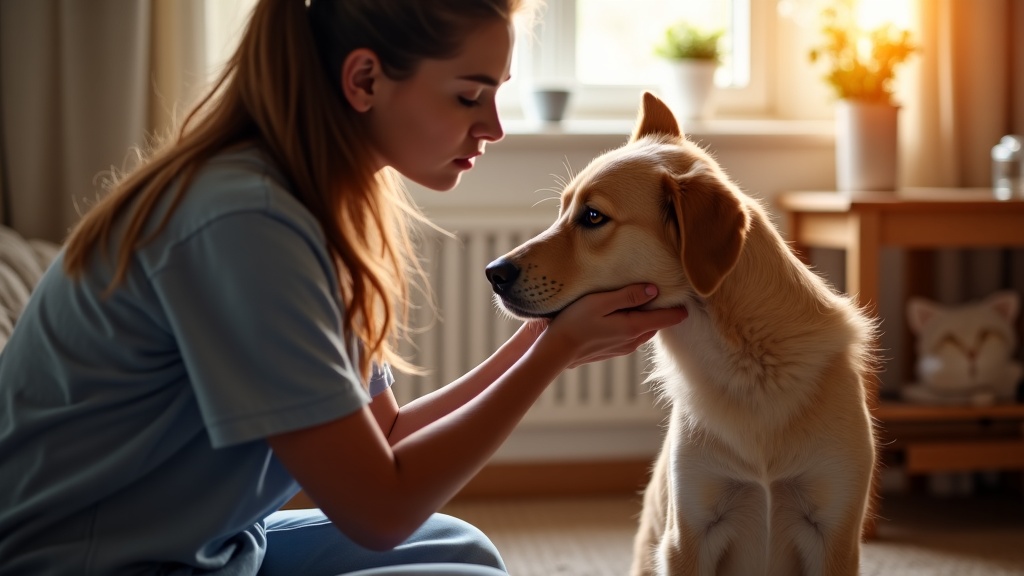
I’ve learned the hard way that dog health questions like this feel a lot less theoretical when you are staring at your own dog and wondering if you are missing something important. If your dog or cat is coming home after surgery, one of the first questions you will probably ask is how long recovery will take. The short answer is that it depends on the procedure, your pet’s age and overall health, and how closely the discharge instructions are followed. Many pets are groggy for the first 12 to 24 hours after anesthesia, need strict activity restriction for about 7 to 14 days after routine soft-tissue surgery, and may need several weeks or even months to recover from orthopedic or major procedures.
The most useful way to think about recovery is in stages. Your pet may seem awake and interested in food within a day, but that does not mean the incision, muscles, or joints are fully healed. External healing and internal healing happen on different timelines, which is why veterinarians often say a pet looks better before it is truly ready to resume normal activity.
The First 24 Hours After Surgery
The first day is usually about recovering from anesthesia and settling back in at home. Some pets sleep heavily, seem unsteady, whine, or have less appetite than usual. Mild grogginess can be normal, especially the evening after the procedure. Your pet may also need a quiet, warm area away from stairs, rough play, and other animals.
During this stage, your main jobs are simple:
- Offer water and small amounts of food if your veterinarian approves.
- Give pain medication exactly as directed.
- Prevent licking or chewing at the incision.
- Keep activity low, even if your pet seems energetic.
Call your veterinarian promptly if your pet cannot be easily roused, has repeated vomiting, struggles to breathe, collapses, or seems dramatically worse instead of gradually more alert.
Typical Recovery Timeline for Routine Surgeries
For common procedures such as spay, neuter, lump removal, or other uncomplicated soft-tissue surgeries, many pets begin acting more like themselves within 1 to 3 days. That can be misleading. Even when behavior improves quickly, most veterinarians still recommend restricting running, jumping, and rough play for roughly 7 to 14 days so the incision can heal properly.
In many cases, this 7- to 14-day window is also when sutures or staples are checked or removed, unless dissolvable sutures were used. During that period, the incision may show mild redness or swelling at first, but it should not become progressively more inflamed, open, or produce discharge.
A routine recovery often looks like this:
- Days 1 to 2: Sleepiness, reduced appetite, and mild soreness are common.
- Days 3 to 5: Energy often starts returning, but restrictions still matter.
- Days 7 to 14: The skin incision is usually well into healing, and your vet may recheck the site or remove external sutures.
- After 2 weeks: Many pets can gradually resume normal activity if the veterinarian confirms healing is on track.
Why Orthopedic and Major Surgeries Take Longer
Bone, joint, and ligament surgeries usually require a much longer recovery. Procedures involving the knee, hip, spine, or fracture repair often need several weeks of crate rest or tightly controlled leash walks, followed by a gradual return to movement. In some cases, full recovery may take 6 to 8 weeks, several months, or longer.
This longer timeline exists because internal structures need time to stabilize and strengthen. A pet may feel better before the surgical repair is fully protected. That is why a dog that starts pulling on the leash after orthopedic surgery is not necessarily ready for normal walks, stairs, or off-leash activity.
Major abdominal or emergency surgeries can also have a longer and less predictable course. Pets recovering from a complicated operation may need more follow-up visits, special diets, bandage care, drains, or rehabilitation therapy. If your veterinarian gives you a custom timeline, follow that instead of general online estimates.
What Affects Recovery Time?
Two pets can have the same procedure and recover at different speeds. Common factors that influence healing include:
- Type of surgery: A routine neuter heals faster than cruciate ligament repair or fracture surgery.
- Age: Younger pets often recover faster, though not always.
- Overall health: Conditions such as obesity, diabetes, heart disease, or infection can slow healing.
- Temperament: High-energy pets may have a harder time following exercise restrictions.
- Incision care: Licking, chewing, moisture, or dirt can delay healing and increase infection risk.
- Owner compliance: Medications, cone use, recheck appointments, and confinement all matter.
Signs Your Pet Is Healing Normally
Normal recovery does not mean your pet is perfectly comfortable right away. It usually means you see steady, gradual improvement. Good signs include:
- Alertness slowly returning after anesthesia
- Interest in food and water improving within a day or so
- Mild soreness that is controlled with prescribed medication
- An incision that stays closed, fairly clean, and only mildly pink
- Energy levels improving without a sudden setback
Pets often need more rest than usual at first. That alone is not necessarily a problem. The pattern matters more than the exact pace.
Warning Signs That Need a Vet Call
Contact your veterinary team if you notice any of the following:
- Persistent lethargy or difficulty waking your pet
- Repeated vomiting or refusal to eat for longer than instructed
- Heavy panting, crying, trembling, or signs of uncontrolled pain
- Redness, swelling, bad odor, bleeding, or discharge from the incision
- Missing sutures or an incision that looks open
- Licking or chewing that you cannot stop
- Difficulty urinating or defecating
- Fever, collapse, trouble breathing, or sudden worsening
When in doubt, call. Post-operative complications are easier to handle early than after an incision breaks down or an infection becomes advanced.
How to Help Your Pet Recover Faster and Safer
You cannot rush tissue healing, but you can make recovery smoother. Set up a calm recovery area before your pet gets home. Use the cone or recovery suit if prescribed, even if your pet dislikes it. Give medications on schedule. Keep the incision dry unless your veterinarian has told you otherwise, and avoid baths or swimming until you get clearance.
For dogs, brief leash walks for bathroom breaks are usually safer than free movement in the yard. For cats, recovery may mean keeping them in a small room, limiting climbing, and watching carefully for jumping onto furniture. If your veterinarian recommends rehabilitation exercises, do only the ones and the amount that were prescribed.
So, How Long Does It Really Take?
For many pets, the visible recovery from routine surgery is about 1 to 2 weeks, while full recovery from orthopedic or more complicated surgery often takes many weeks to months. A useful rule of thumb is this: your pet may feel better quickly, but healing usually takes longer than behavior suggests.
The safest answer will always come from the veterinary team that performed the surgery, because they know exactly what was done and what your pet’s individual risks are. If you are unsure whether your pet is recovering on schedule, ask for guidance instead of guessing. A quick recheck can prevent a minor concern from becoming a major setback.
One thing I wish more owners knew is that heart problems in dogs do not always show up as dramatic collapse first. A lot of the early clues are quieter: more coughing at night, slower recovery after walks, less interest in stairs, or a dog who suddenly wants to lie down halfway through routines that used to be easy. That is why I think changes in pattern matter so much more than any one isolated symptom.
I also try to separate “my dog is getting older” from “my dog may be struggling medically.” Aging can absolutely change stamina, but trouble breathing, a bloated-looking abdomen, fainting, or a new cough deserve more respect than owners sometimes give them. If something feels different enough that you are searching this question in the first place, I think it is worth getting your vet’s eyes and ears on it sooner rather than later.
From a practical standpoint, I would start writing down what you are seeing: when the coughing happens, whether the breathing looks worse at rest, how appetite has changed, and whether exercise tolerance is dropping. That kind of simple log can help a vet connect the dots faster than a vague “he just seems off.” It also helps you notice whether the problem is stable, gradually worsening, or suddenly escalating.
I am also wary of articles that make every symptom sound equally diagnostic. In real life, the bigger question is whether several signs are clustering together and whether they are getting more frequent. A single tired day is one thing. A pattern of coughing, exercise intolerance, faster breathing, and reduced enthusiasm is something I would treat much more seriously.
If your dog has already been diagnosed with a murmur or heart disease, changes in resting breathing rate can be especially useful to watch. Owners often notice “something feels off” before a crisis, and that observation matters. You do not need to diagnose the condition at home, but you do want to recognize when the situation has moved out of normal-aging territory and into “call the vet” territory.
The hard part with senior dogs is that several problems can overlap: heart disease, lung disease, pain, anxiety, weight gain, or cancer can all affect energy and breathing in different ways. That is another reason I would rather frame this as an early-detection question than a self-diagnosis question. The goal is not to guess perfectly at home. The goal is to notice the right red flags fast enough to get help sooner.