
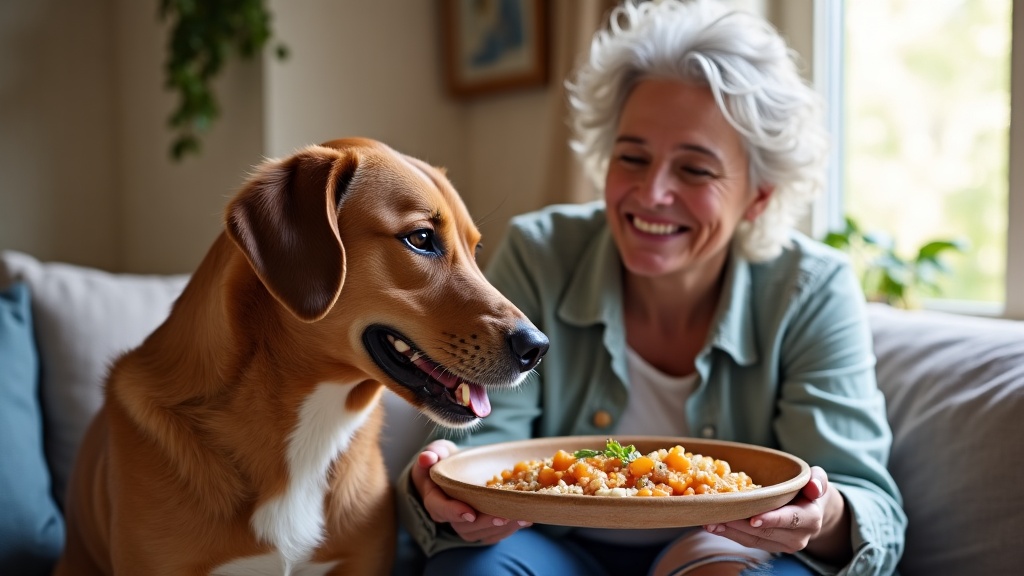
I learned the hard way that an older dog’s stomach can change before the rest of them seems “old.” When my golden Cooper started having more gurgly nights, softer stools, and less enthusiasm around meals, I realized digestive health in senior dogs is not one ingredient or one miracle food. It is a pattern: easier-to-digest protein, the right kind of fiber, enough moisture, and a formula that does not ask an aging gut to work harder than it has to.
If you want the fast answer to what ingredients support digestive health in senior dogs?, start by looking for foods built around highly digestible animal protein, moderate fat, soluble and insoluble fiber, prebiotics, probiotics, omega-3s, and gentle carbohydrate sources like rice, oats, or sweet potato when your dog tolerates them. For many seniors, ingredients that help most are pumpkin, beet pulp, chicory root, psyllium, oat fiber, plain digestive probiotics, and moisture-rich foods. What matters just as much is what you avoid: rich table scraps, abrupt food changes, overly fatty treats, and formulas loaded with ingredients your dog does not handle well.
I am not a vet, and I do not think owners need more hype dressed up as certainty. I do think we need better practical guidance. Digestive issues in older dogs are common, but they are not automatically “just aging,” and catching a pattern early can matter a lot for comfort, weight maintenance, and sometimes for finding a bigger medical issue sooner.
Why senior dogs often need more digestive support
As dogs age, their digestive system can become less resilient. Some seniors chew less effectively because of dental disease, some make dietary transitions poorly, and some become more sensitive to fat, certain proteins, or sudden ingredient changes. Older dogs are also more likely to have medication use, lower activity, chronic inflammation, pancreatitis history, or underlying disease that shows up first as vomiting, stool changes, gas, appetite shifts, or weight loss.
That is why the best food for a senior dog with a sensitive stomach is usually not the richest or trendiest option. It is the one that consistently produces normal stools, steady appetite, stable weight, and good energy without making the gut do extra work. In real life, that means I care less about buzzwords and more about whether a formula is digestible, balanced, and easy for an older dog to keep tolerating month after month.
The most helpful ingredients to look for
1. Highly digestible animal protein
Protein should still be a core part of a senior dog’s diet because aging dogs need to maintain muscle, not drift into frailty. The digestive-health angle is choosing protein sources your dog handles well. Chicken, turkey, salmon, lamb, and eggs are often used in digestible formulas, though the “best” one depends on the individual dog’s history and sensitivities.
Look for named animal proteins near the top of the ingredient list and watch the outcome, not just the label. If your dog gets gassy, itchy, or loose-stooled on one protein, a different one may work far better even if both sound healthy on paper.
2. Soluble fiber for stool quality and gut comfort
Soluble fiber absorbs water and can help normalize stool consistency. Ingredients like pumpkin, oat fiber, psyllium, and some fruit and vegetable fibers can help with loose stools or inconsistent bowel movements. They also feed beneficial gut bacteria in some dogs.
This does not mean more fiber is always better. Too much can reduce calorie intake or worsen gas. The useful range is the one that supports formed, easy-to-pass stools without bloating or obvious discomfort.
3. Insoluble or mixed fibers for regularity
Ingredients such as beet pulp, cellulose, and mixed plant fibers can support regular bowel movements and help some constipated seniors. Beet pulp in particular gets unfairly criticized online; in well-formulated foods, it can be a practical fiber source that supports stool quality rather than a “filler” to fear.
4. Prebiotics
Prebiotics are fibers that feed beneficial bacteria already living in the gut. Common examples include chicory root, inulin, fructooligosaccharides (FOS), and mannanoligosaccharides (MOS). These ingredients can help support a healthier gut environment, especially in dogs with mild digestive sensitivity.
What this means for owners: if your dog is doing fairly well but has chronic “not quite right” stools, mild gas, or seems to wobble after treats or stress, a food with prebiotics may be more useful than chasing exotic ingredients.
5. Probiotics
Probiotics can help some senior dogs, especially during transitions, after stomach upset, or when stress affects stool quality. The best evidence is not that probiotics fix every gut issue, but that the right strains may help support microbial balance and stool consistency in certain dogs.
If you want a simple category to explore, a tagged search like senior dog probiotic supplements can be useful, but I would still start with your vet if your dog has chronic diarrhea, vomiting, or unexplained weight loss. Supplements should support a plan, not replace diagnosis.
6. Moderate fat, not ultra-rich formulas
Fat is not bad. It is essential and calorie-dense, which can help some older dogs keep weight on. But for seniors with a sensitive stomach, very rich diets or fatty treats can trigger loose stool, nausea, or pancreatitis flare risk. Many older dogs do best with moderate fat rather than low-fat by default.
I pay attention to how a dog responds after meals and after treats. If the diet seems fine until extras are added, the issue may be the “little indulgences,” not the base food.
7. Moisture-rich foods
Hydration matters for digestion. Wet food or fresh moisture added to kibble can help some senior dogs who chew poorly, eat too fast, or seem mildly constipated. Moisture can also make meals more appealing when appetite is inconsistent.
For category shopping, senior dog wet food for sensitive stomachs is often more actionable than chasing a single miracle topper. The goal is a complete formula that the dog can eat comfortably every day.
8. Omega-3 fatty acids
Omega-3s do not directly “fix” digestion, but they may help support overall inflammatory balance, skin health, and joint comfort, which can make seniors feel better and eat better. Fish oil or fish-based formulas can be helpful when tolerated, though any oil should be introduced carefully because too much too fast can backfire on the stomach.
Ingredients that often work well, and what they actually do
| Ingredient or feature | Why it may help | What this means at home |
|---|---|---|
| Named animal protein | Supports muscle while being easier to assess for tolerance | Stick with proteins your dog has handled well, and change one variable at a time |
| Pumpkin | Provides soluble fiber that can help normalize stool texture | Useful in some dogs with mild stool inconsistency, but not a substitute for care if symptoms persist |
| Beet pulp or mixed fiber | Can support regular stools and overall fiber balance | Do not assume “filler” means harmful; watch your dog’s stool and comfort |
| Chicory root, FOS, MOS | Acts as prebiotic support for gut bacteria | Helpful for mild chronic sensitivity and transition periods |
| Probiotics | May support stool quality and microbial balance | Best used with a clear reason, especially after discussing chronic issues with your vet |
| Moderate fat | Reduces risk of rich-food intolerance in sensitive seniors | Compare diet fat level with the treat routine, not just the bag label |
| Wet food or added water | Supports hydration and easier eating | Especially useful for seniors with dental pain, slower appetite, or constipation tendency |
Ingredients and feeding patterns that can make things worse
Digestive support is partly about choosing the right ingredients and partly about avoiding the things that repeatedly derail a stable gut. Common troublemakers for senior dogs include:
- Very fatty treats, greasy leftovers, bacon, sausage, and rich holiday foods
- Sudden food switches without a transition period
- Large meals instead of smaller, easier-to-digest portions
- Excess dairy in dogs that do not tolerate it well
- Chews and treats with long ingredient lists, sugar alcohols, or heavy smoke flavoring
- Too many supplements added at once, making it impossible to tell what helped or hurt
One of the most practical things you can do now is tighten the “food around the food.” I have seen a lot of owners blame the kibble while the real issue was a daily stream of rich chews, training snacks, and table bites that turned a manageable senior stomach into a constantly irritated one.
How to choose food when your senior dog has a sensitive stomach
If you are standing in front of ingredient panels wondering what matters most, this is the order I would use:
- Start with digestibility and consistency. Choose a complete senior or sensitive-stomach formula with a named protein, moderate fat, and fiber support.
- Prefer simpler change trials. If you switch foods, do not also add three new toppers and two supplements.
- Use a 7- to 10-day transition when possible. Go slower if your dog has a history of loose stool during changes.
- Track stool, appetite, and weight. The right food should improve daily life, not just sound good in marketing copy.
- Ask whether dry, wet, or mixed feeding fits your dog’s real needs. Some seniors do better with added moisture or a partial wet-food approach.
If your dog gulps food and then seems uncomfortable, a feeding tool can matter as much as an ingredient list. A tagged category search like slow feeder dog bowls can help dogs who inhale meals and then burp, regurgitate, or seem bloated afterward.
Dental comfort also matters more than people think. Seniors with sore teeth may swallow kibble poorly or avoid chewing enough to eat comfortably. If that is part of the picture, consistent oral care tools like enzymatic dog toothpaste can support the bigger plan, though active dental disease still needs veterinary attention.
When digestive changes mean you should call your vet
This is the line I do not like to see crossed: assuming every digestive symptom in an older dog is just “senior stomach.” In seniors, chronic gut signs can overlap with pancreatitis, inflammatory bowel disease, parasites, dental pain, medication effects, liver disease, kidney disease, endocrine disease, or cancer. The ingredients matter, but diagnosis matters more when the pattern is persistent.
Contact your vet promptly if your older dog has:
- Vomiting more than once or repeatedly over days
- Diarrhea lasting more than a day or two
- Black stool, blood in stool, or marked straining
- Weight loss, muscle loss, or reduced appetite
- A swollen abdomen, obvious pain, or restlessness after eating
- Lethargy, dehydration, or sudden refusal of food
I care a lot about longevity, but not in a way that ignores daily comfort. A dog does not benefit from a theoretically ideal diet if eating it leaves them nauseated, constipated, or miserable. Senior nutrition is where quality of life and evidence need to meet in the middle.
Simple ways to support digestion beyond the ingredient list
Good digestive support is not just buying the right bag. It is a routine:
- Feed measured meals on a regular schedule
- Transition foods slowly and only when needed
- Limit rich extras and keep treat ingredients simple
- Add water or consider partial wet feeding if hydration is low
- Monitor stool changes instead of guessing
- Weigh your dog regularly, especially if appetite is variable
- Review supplements and medications with your vet if symptoms begin after a change
If you want a food-adjacent add-in for enrichment that does not have to be calorie-heavy, a dog lick mat can slow eating and make smaller portions or wet meals easier to serve calmly. It is not a digestive cure, but it can support the routine around meals.
FAQ
Is pumpkin always good for senior dog digestion?
Pumpkin helps some dogs because it provides soluble fiber, but it is not automatically the right fix for every digestive problem. If vomiting, repeated diarrhea, constipation, or weight loss is happening, pumpkin is not enough. Think of it as a mild stool-support tool, not a diagnosis.
Are probiotics necessary for all older dogs?
No. Some senior dogs do well on a stable diet without any probiotic supplement. Probiotics are most useful when there is a clear reason to try them, such as stress-related stool changes, food transition issues, or veterinarian-guided support after GI upset.
Should senior dogs eat less protein if they have a sensitive stomach?
Usually the issue is not “too much protein” but which protein and how digestible the total diet is. Many senior dogs need good-quality protein to maintain muscle. If your dog has kidney disease or another medical condition, your vet may recommend a more specific nutrition plan.
What is the best food for senior dogs with sensitive stomachs?
There is no single best food for every dog. The best choice is a complete diet your individual dog digests well, maintains weight on, and eats comfortably over time. Look for named protein, moderate fat, useful fiber, and a transition plan that does not shock the gut.
About the Author
Jamie is the DogAgeWell voice behind practical senior-dog nutrition and wellness guides. She writes as a researcher and dog mom who learned, through Cooper, that aging dogs need less hype and more clear-eyed daily support. Her focus is evidence-driven, empathetic advice that helps owners notice changes early, ask better questions, and make choices that protect both comfort and longevity.