
Affiliate Disclosure: This article contains affiliate links. As an Amazon Associate, DogAgeWell earns from qualifying purchases at no extra cost to you. I only recommend products that are genuinely useful for day-to-day dog care.
I’m careful with “healthy people food” claims because I learned the hard way that a food can be safe and still be the wrong choice for the dog in front of you. After losing Cooper at nine and spending a lot more time reading veterinary guidance than I ever expected, I stopped asking only “can my dog eat this?” and started asking “does this actually help?”
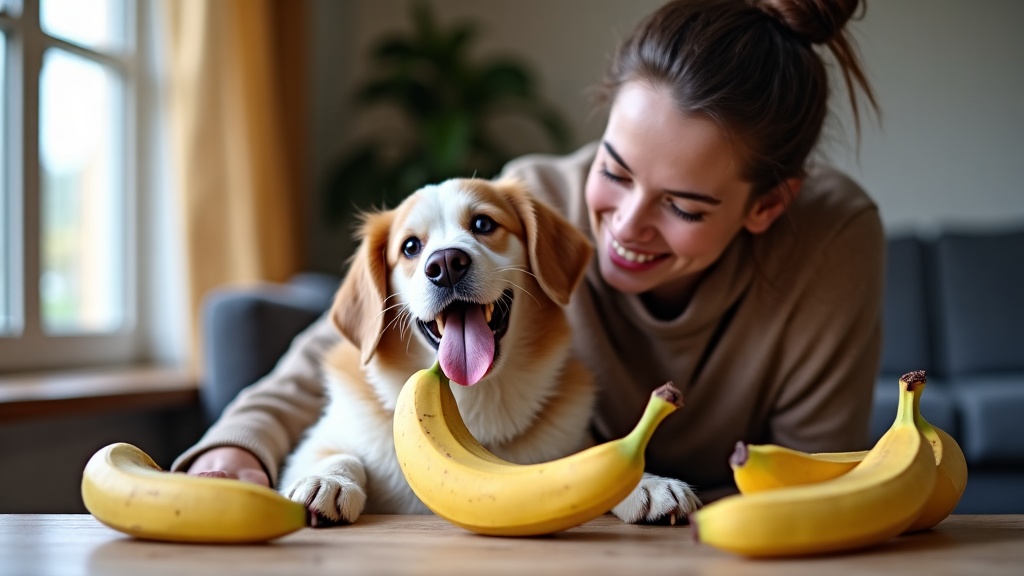
Yes, bananas are generally good for dogs in small amounts. They’re not toxic, and for most healthy dogs a few bite-size pieces of ripe banana can be a perfectly fine treat. The catch is that bananas are also fairly sugary and starchy, so they work best as an occasional extra, not a daily health food and definitely not a substitute for balanced dog food.
What matters in real life is proportion. A slice or two for a medium dog is very different from half a banana every afternoon. I think owners get into trouble when a “natural” snack starts feeling harmless enough to stop measuring. That is usually when calories creep up, stools get weird, or a dog with an underlying issue starts showing you that moderation actually mattered.
If you want the short version: peel it, give a small amount, skip it for dogs who need strict sugar control unless your vet says otherwise, and do not use banana as your plan for weight gain, digestive treatment, or long-term nutrition support.
Why bananas can be a reasonable dog treat
Bananas contain potassium, vitamin B6, vitamin C, and fiber. That sounds impressive, and those nutrients are real, but I want to put them in context: your dog should be getting core nutrition from a complete and balanced diet first. Banana is a treat with some nutritional upside, not a superfood that changes canine health outcomes on its own.
Where banana can make sense is as a swap for fattier table scraps or heavily processed treats. If your dog begs while you’re slicing fruit, a small piece of banana is a better choice than deli meat, buttery toast, chips, or dessert. For some dogs, a bit of mashed banana is also an easy way to add interest to a lick mat or stuffable toy without using high-fat fillings.
I like simple tradeoffs. If the choice is between a tiny piece of banana and a random processed snack from the pantry, banana usually wins. If the choice is between banana and simply feeding fewer extras overall, portion control still wins.
When bananas are not such a good idea
The main issue is sugar. Bananas are naturally sweet, which is why dogs often love them, but that also means they can add calories quickly. For overweight dogs, sedentary senior dogs, and dogs with diabetes or other conditions that require tighter diet control, banana should be limited or discussed with your veterinarian before it becomes a routine treat.
Banana can also cause digestive trouble if you overdo it. Too much may lead to soft stool, gas, or constipation depending on the dog and the amount. The peel is the bigger mistake. Banana peels are not considered toxic, but they are tough to digest and can create a choking hazard or even contribute to an intestinal blockage, especially in dogs that gulp food.
There is also a judgment call with certain medical cases. If your dog has pancreatitis history, is on a prescription diet, has kidney disease, has trouble regulating blood sugar, or needs a tightly managed calorie plan, this is where “it’s dog-safe” is not enough. Safe for the average dog is not the same thing as appropriate for your dog.
How much banana can a dog have?
I prefer conservative portions because treats are supposed to stay small. A useful rule is that all treats combined should stay under about 10% of your dog’s daily calories. Banana fits inside that rule, but it can take up that treat budget faster than owners expect.
| Dog size | Reasonable banana portion | What this means in practice |
|---|---|---|
| Small dogs | 1 to 2 thin slices | A Chihuahua, Yorkie, or Maltese does not need more than a bite or two. |
| Medium dogs | 2 to 4 thin slices | Enough for a treat, not enough to replace part of a meal. |
| Large dogs | A few bite-size chunks | Still think in pieces, not “half a banana because he’s big.” |
| Giant dogs | Several small chunks | Body size gives you a little more room, but not a free pass on sugar. |
If your dog has never had banana before, start with less than you think they can handle and watch for stomach upset over the next day. That’s especially true for seniors, sensitive stomachs, and dogs already eating a carefully controlled diet.
Best ways to serve banana to dogs
Ripe, plain banana is the simplest option. No peel, no chocolate, no raisins, no sweeteners, and no banana bread. Human banana foods are where this topic goes sideways fast. Banana bread often contains sugar, butter, and sometimes nutmeg or xylitol-containing add-ins. Smoothies may include yogurt with sweeteners or other ingredients your dog does not need.
Simple serving ideas that make sense
- Fresh slices for a quick training reward.
- Mashed banana spread thinly on a silicone lick mat for dogs for slower enrichment.
- Frozen banana coins in hot weather for dogs who tolerate cold treats well.
- A teaspoon of mashed banana mixed into food when you want extra palatability, not a major topper.
I especially like the lick-mat approach for dogs who inhale treats. It stretches a tiny portion into a longer activity, which is usually better for weight control than handing out repeated bites because your dog looks adorable asking for more.
What I would not do is mix banana with peanut butter casually and forget the total calories. That combination is popular because dogs love it, but it becomes calorie-dense very quickly. If you use both, keep the amount extremely small and double-check that any peanut butter is xylitol-free.
Banana versus other fruit treats
Banana is fine, but it is not always my first fruit choice. For many dogs, especially seniors who gain weight easily, lower-sugar fruits or crunchy vegetables are often more practical.
| Treat | What it does well | Main downside | Best use |
|---|---|---|---|
| Banana | Soft, easy to mash, appealing for most dogs | More sugar and starch than many other produce treats | Occasional small treat or lick-mat filler |
| Blueberries | Tiny, easy to portion, less messy | Can still add up if fed by the handful | Training treats for medium and large dogs |
| Apple slices | Crunchy and satisfying | Seeds and core must be removed | Dogs who like texture and chewing |
| Green beans | Very low-calorie option | Not as exciting for some dogs | Dogs on a weight-loss plan |
If your dog needs to lose weight, green beans usually make more sense than banana. If your dog needs a soft treat because of dental wear, missing teeth, or a sore mouth, banana has a real advantage because it is easy to mash and portion.
Are bananas good for senior dogs?
Sometimes, yes. Bananas can be useful for senior dogs who need soft treats, have mild chewing difficulty, or need a little encouragement to interact with enrichment toys. But older dogs are also the group where I am most careful about the details.
Senior dogs are more likely to be dealing with weight gain, muscle loss, kidney disease, diabetes, dental disease, GI sensitivity, or medication changes. In that context, a soft, sweet treat can be helpful for one dog and a poor fit for another. I do not think banana deserves a “senior health food” halo. It is just one tool.
What matters more for longevity is the boring stuff owners sometimes overlook: keeping body condition lean, preserving muscle, staying current on dental care, noticing appetite changes early, and adjusting nutrition before weight loss or chronic disease spirals. I would rather see a senior dog get the right complete diet, consistent weigh-ins, and earlier lab work than get trendy fruit add-ons.
If your senior dog is underweight, bananas are also not my first move. They provide quick calories, but not the protein density or balanced nutrition you need to rebuild condition. If you are searching for the best food for senior dogs to gain weight, think complete calorie-dense nutrition, digestibility, and a veterinary workup first. A category search like senior dog food for weight gain is much more relevant than relying on fruit toppers.
When you should call your vet instead of trying more banana
Owners often reach for banana because they have heard fiber might help digestion or because a dog seems off food and banana is one of the few things they will accept. I understand the instinct, but this is where pattern recognition matters.
- Call your vet if your dog has vomiting, persistent diarrhea, bloating, straining, or obvious belly pain.
- Call your vet if your dog ate the peel, especially if they are small, fast eaters, or now seem uncomfortable.
- Call your vet if your senior dog’s appetite has changed, even if they still accept treats.
- Call your vet if you are trying to work around weight loss with snacks rather than figuring out why the weight loss started.
I have become much less impressed by “still interested in treats” as a sign that everything is okay. Dogs can be sick and still want the sweet easy option. When a dog starts refusing normal meals but accepts banana, that is not a clever feeding solution. It is information.
Practical bottom line
Bananas are good for dogs in the same way many safe treats are good for dogs: they can fit nicely in a balanced routine if you keep the amount small and stay honest about what problem you are trying to solve. They are not toxic, many dogs enjoy them, and they can be a better option than greasy or heavily processed people food.
They are not ideal for every dog, though, and they are easy to overfeed because they feel wholesome. For healthy adult dogs, a few small pieces once in a while is reasonable. For overweight dogs, diabetic dogs, dogs on prescription diets, and many seniors with medical issues, you need more caution and sometimes a different treat altogether.
If you want the version I would actually follow at home: give plain peeled banana sparingly, use it for enrichment rather than volume, and let your dog’s overall health plan matter more than any one trendy snack.
FAQ
Can puppies eat bananas?
Usually yes, in very small amounts. The same rules apply: peeled, plain, and not so much that it displaces balanced puppy food or upsets the stomach.
Can dogs eat banana peels?
No, I would not intentionally feed them. The peel is hard to digest and can create a choking or blockage risk, especially in dogs that gulp food.
Can bananas help a dog with diarrhea?
Not reliably enough to use as home treatment. A tiny amount may be tolerated by some dogs, but ongoing diarrhea deserves a proper plan and sometimes veterinary care rather than fruit experiments.
Are frozen bananas safe for dogs?
Yes, if the pieces are small enough for your dog to handle safely. Frozen banana can be a nice warm-weather treat, but large hard chunks can be a choking risk for eager eaters.
Can dogs eat banana every day?
I would not make that a habit for most dogs. Daily treats add up quickly, and bananas are better framed as an occasional extra than a routine nutritional strategy.