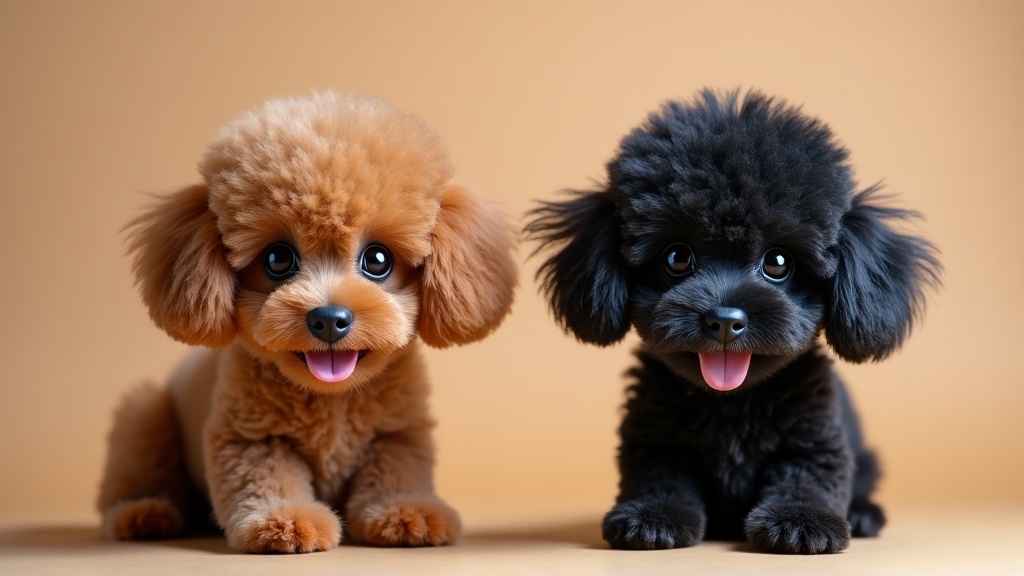
I’ve gone down this rabbit hole myself after losing Cooper and spending way too many late nights comparing breed photos, breeder claims, and grooming notes: a true Bichon Frise is not supposed to be brown or black. In the recognized breed standard, the coat is white, although puppies can sometimes show light buff, cream, or apricot shading that often fades as they mature.
That short answer matters because a listing for a “brown Bichon Frise” or “black Bichon Frise” usually means one of three things: the dog is a mix, the coat is stained or discolored, or the seller is using “Bichon” loosely rather than accurately. If you’re trying to choose a healthy dog and not just a cute photo, it helps to know exactly what those color claims usually mean.
What color is a Bichon Frise supposed to be?
Bichon Frises are known for their soft, curly white coat. Major breed standards describe the ideal adult Bichon as white. Some puppies may have light cream, buff, or apricot on the ears or body, but heavy dark pigmentation in the coat is not typical for a purebred Bichon Frise.
That distinction is easy to miss online because people often confuse:
- coat color, which refers to the hair itself, with
- skin pigmentation, which can include black points on the nose, lips, eye rims, and paw pads.
In fact, black pigment on the nose and around the eyes is normal and desirable in the breed. A black coat is another story entirely.
So is there such a thing as a brown Bichon Frise?
Not as a standard purebred Bichon Frise. If someone advertises a brown Bichon Frise, the most likely explanations are:
- The dog is a Bichon mix, possibly crossed with a Poodle, Shih Tzu, Havanese, or another small companion breed that can carry brown coloring.
- The dog is very young and has light cream or apricot shading that looks darker in photos than it really is.
- The coat is stained from tears, saliva, urine, dirt, or poor coat maintenance.
- The seller is using “rare color” language as a marketing tactic.
When I see “chocolate Bichon” or “brown Bichon Frise” in a listing, that’s a yellow flag at minimum. Rare-color marketing can distract buyers from the questions that matter more: health testing, temperament, responsible breeding, and honest identification.
What about cream, buff, or apricot Bichons?
This is where the conversation gets more nuanced. Some purebred Bichon puppies can have light shading, especially on the ears or body. Those hues are usually pale, not deep brown, and they often fade with age. A soft cream cast is very different from a clearly brown or liver-colored coat.
If the dog is being sold as a purebred adult Bichon Frise and the coat is obviously brown, that does not line up with the normal breed picture.
Is there such a thing as a black Bichon Frise?
Again, not as a standard purebred Bichon Frise. A black-coated dog may be cute, but it would not be considered typical for the breed. If you’re seeing a “black Bichon Frise,” the same possibilities usually apply:
- It is a mixed-breed dog.
- It is mislabeled.
- The dog belongs to a different but somewhat similar companion breed.
This is common in online marketplaces where fluffy small dogs get grouped together under familiar breed names. Bichon Frise, Havanese, Maltipoo, Poochon, Coton de Tulear, and Shih Tzu mixes can all be confused by casual buyers, especially when the coat is trimmed short.
Brown or black Bichon claim: what it usually means
| Claim or appearance | Most likely explanation | What to ask next |
|---|---|---|
| “Brown Bichon Frise” puppy | Mix breed, heavy apricot shading, or misleading marketing | Ask for pedigree, parent photos, and health testing records |
| “Black Bichon Frise” adult | Likely not a purebred Bichon Frise | Ask whether the dog is registered and with what organization |
| White dog with reddish face stains | Tear staining or saliva discoloration | Ask about grooming, diet, eye care, and possible allergies |
| Pale cream or buff on a young puppy | Possible normal puppy shading that may fade | Ask how the coat changed in previous litters as puppies matured |
How to tell the difference between unusual color and staining
Because Bichons are white, staining can make them look tan, rust, or brown in places. That can alarm owners who think the coat is “changing color” when the issue is really maintenance or an underlying health trigger.
Common causes of brownish discoloration in a Bichon coat
- Tear staining: Rusty-brown marks under the eyes are very common in light-coated dogs.
- Saliva staining: Licking paws or fur can leave reddish-brown patches.
- Urine staining: Fur around the hind end can yellow or darken if it stays damp.
- Outdoor dirt and oxidation: White coats show everything.
- Skin or eye issues: Allergies, blocked tear ducts, irritation, or infection can contribute to persistent staining.
If the discoloration is localized, especially around the eyes, mouth, paws, or sanitary area, staining is much more likely than a naturally brown coat.
Why “rare color” marketing should make you pause
I understand the appeal of wanting something distinctive. But with small companion breeds, “rare color” is often used to justify a higher price without adding any real value for the dog or the owner. Sometimes it means a mix is being sold as a purebred. Sometimes it means appearance is being prioritized over health and temperament.
If you’re evaluating a breeder or seller, the stronger questions are:
- Have the parents received appropriate health screening?
- Can the seller show a credible pedigree if claiming the puppy is purebred?
- How are the puppies being socialized?
- What support is offered if a health or temperament issue appears later?
- Is the seller transparent about grooming needs, tear staining, dental care, and routine vet costs?
A responsible breeder usually leads with health, structure, and temperament. A questionable one often leads with “teacup,” “micro,” or “rare color.”
What a healthy Bichon coat should look and feel like
A healthy Bichon coat is soft, plush, and powder-puff looking rather than silky or flat. It does require serious upkeep. If you want that classic cloud-like appearance, regular brushing, combing, bathing, and professional grooming matter more than almost anything else.
Two tools make a practical difference for many Bichon owners:
- slicker brush for Bichon Frise coats to help prevent mats and lift the curly outer coat
- metal greyhound grooming comb to check for tangles close to the skin after brushing
For eye-area cleanup, many owners also like using dog tear stain wipes, although persistent staining or squinting deserves a conversation with your veterinarian rather than just better cosmetics.
If you want a dark-colored dog with a Bichon-like look
This is the question I wish more sites answered directly. If what you really love is the cheerful, companion-dog personality of a Bichon but you prefer darker coloring, you may be happier looking at a different breed or an intentionally identified mix rather than chasing a “black Bichon” listing.
That does not mean a mixed dog is a bad choice. It just means honesty matters. A Bichon-Poodle mix, for example, may come in darker colors depending on the Poodle parent. The dog can still be wonderful, but it should not be sold under a false breed description.
Better approach for your search
- Decide whether you care more about the dog’s exact breed or the overall look and temperament.
- Ask for the parents? breeds, not just the puppy’s label.
- Expect coat color, grooming needs, and shedding patterns to vary a lot in mixes.
- Prioritize health testing and transparent records over novelty color claims.
How to evaluate a listing that says brown or black Bichon Frise
If you’re researching a puppy or rescue, here are the fastest reality-check questions to ask:
- Is the dog registered as a Bichon Frise, and if so, with which registry?
- Can I see both parents?
- Do you have photos of the puppy at different ages?
- Has the coat color changed since birth?
- Are the darker areas true coat color from root to tip, or mainly stains on the surface?
- What health testing was done on the parents?
If the answers get vague the moment you ask about parentage or records, that tells you something useful.
Does color affect Bichon Frise health?
For a normally bred Bichon Frise, coat color itself is not the main health issue because the expected coat is white. The bigger practical concern is that owners may focus on an unusual color claim and overlook more important breed-care issues such as dental disease, skin problems, allergies, patellar luxation, or eye concerns. White coats also make tear staining and skin irritation easier to notice, which can actually be helpful.
If a dog is a Bichon mix rather than a purebred, health tendencies may depend on both parent breeds. That is another reason honest labeling matters.
FAQ
Can purebred Bichon Frise puppies be born with color?
Yes, some purebred puppies can have light cream, buff, or apricot shading, especially on the ears or body. That is different from being truly brown or black, and the shading often fades as the puppy matures.
Why does my white Bichon look brown around the eyes or mouth?
That is usually staining rather than natural coat color. Tears, saliva, licking, diet issues, eye irritation, allergies, and grooming habits can all contribute to brownish discoloration on a white coat.
Are black Bichon Frises recognized?
No. A black coat is not considered typical for a purebred Bichon Frise. A black fluffy dog sold under that label is more likely to be a mix or a misidentified breed.
Is a brown Bichon Frise rare and valuable?
Usually, no. “Rare” color language is often a marketing tactic. It does not automatically mean the dog is healthier, better bred, or worth a premium price.
What should I buy for Bichon coat care?
Most owners do well starting with a slicker brush for Bichon Frise coats, a metal greyhound grooming comb, and gentle dog tear stain wipes for surface cleanup. If staining is severe or sudden, a veterinary exam matters more than another product.
Bottom line
If you’re asking, “Is there such a thing as a brown Bichon Frise or a black Bichon Frise?” the practical answer is no, not in the normal sense of a purebred Bichon Frise. True Bichons are expected to be white, with only limited light shading sometimes seen in puppies. Strong brown or black coat color usually points to a mix, a labeling problem, or staining rather than a recognized purebred color.
That may sound less exciting than the rare-color listings, but it gives you a better shot at finding the right dog for the right reasons.