
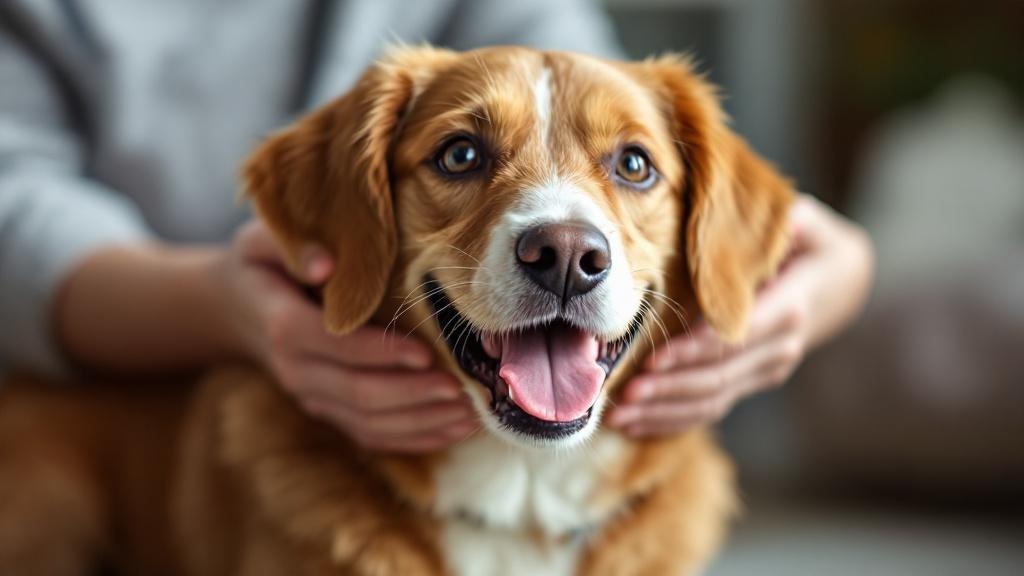
In my 15 years as a vet tech, dog ear infections are one of the most common reasons clients come in — and one of the most preventable conditions I see. Understanding the signs, causes, and appropriate response to dog ear infections can save your dog significant discomfort and save you significant money in vet bills.
Signs Your Dog Has an Ear Infection
Dogs can’t tell you their ears hurt, so you need to know what to look for. Classic signs of an ear infection include:
Head shaking and ear scratching — the most obvious signs. If your dog is shaking their head frequently or pawing at one ear repeatedly, that’s pain behavior, not quirky personality. Odor — a healthy ear has virtually no smell. An infected ear often has a distinct yeasty, musty, or foul odor you can detect from arm’s length. Discharge — look inside the ear canal. Healthy ears are slightly waxy and light tan. Brown, yellow, or black discharge, or any green coloration, indicates infection. Redness and swelling — the ear canal or flap appears red, inflamed, or swollen. Sensitivity to touch — flinching, pulling away, or snapping when you touch near the ear. Tilting the head consistently to one side can indicate infection or vestibular issues.
Advanced signs requiring immediate vet attention: loss of balance, walking in circles, facial nerve paralysis (droopy face), sudden hearing loss. These indicate the infection may have spread to the middle or inner ear.
What Causes Dog Ear Infections
Most dog ear infections are secondary to an underlying condition. Simply treating the infection without addressing the root cause means it will come back. Common underlying causes:
Allergies are the most common underlying cause in dogs with recurrent ear infections. Both environmental allergies (dust mites, pollen, mold) and food allergies can cause ear canal inflammation that creates an ideal environment for yeast and bacteria. If your dog gets ear infections more than twice per year, allergies should be strongly suspected.
Anatomy matters significantly. Dogs with floppy ears (Cocker Spaniels, Basset Hounds, Golden Retrievers) have reduced air circulation in the ear canal, creating a warm, moist environment that favors microbial growth. Dogs with narrowed ear canals (Shar-Peis, Bulldogs, Chow Chows) are similarly predisposed.
Moisture after swimming or bathing creates ideal conditions for yeast infections specifically. Dogs who swim regularly need ear drying as a standard part of post-swim care.
Foreign objects — grass seeds (foxtails) are notorious for embedding in ear canals and causing severe, rapidly worsening infections. If your dog was in tall grass and suddenly develops a severe ear problem, suspect foxtail.
What You Can (and Can’t) Do at Home
I want to be direct: a confirmed ear infection needs veterinary diagnosis and prescription treatment. The reason isn’t to drive vet visits — it’s because treating a bacterial infection with antifungal medication (or vice versa) doesn’t work and delays resolution. And a perforated eardrum (which you can’t assess at home) contraindicates many ear cleaning approaches.
What you CAN do at home:
Gentle cleaning for mild cases and prevention: A veterinary-approved ear cleaner (like Zymox or similar enzyme-based cleaners) can be appropriate for very mild cases and is excellent for ongoing prevention in prone dogs. Fill the ear canal with solution, massage the base of the ear for 30 seconds, then let the dog shake — don’t use cotton swabs into the canal.
Drying after water exposure: A few drops of a drying ear solution (or diluted white vinegar in water — 50/50) after swimming helps prevent infection. This is standard protocol I recommend to all dog owners with water-loving dogs.
Supporting immune and anti-inflammatory status helps with allergy-related infections. I recommend omega-3 fish oil supplementation for dogs with allergies — it reduces systemic inflammation that contributes to recurrent ear issues. Adding dental water additive also supports overall immune health.
The Allergy Connection and Recurrent Infections
If your dog has had more than two ear infections in a year, please bring this up with your vet as a pattern, not individual events. Ask specifically about allergy testing or a food elimination trial. Treating the underlying allergy with appropriate therapy (prescription apoquel, cytopoint, or immunotherapy for environmental allergies; hydrolyzed protein diet for food allergies) can eliminate recurrent ear infections entirely rather than treating them one at a time indefinitely.
Your Action Step
Check your dog’s ears right now — smell them, look at the ear canal opening, note any redness. If you see signs of infection, book a vet appointment within 2-3 days (same day if signs are severe or your dog is in obvious pain). If ears look healthy, establish a prevention routine: clean ears monthly with a vet-approved ear cleaner, dry thoroughly after water exposure, and track any ear-scratching behavior in your phone notes to identify patterns.