
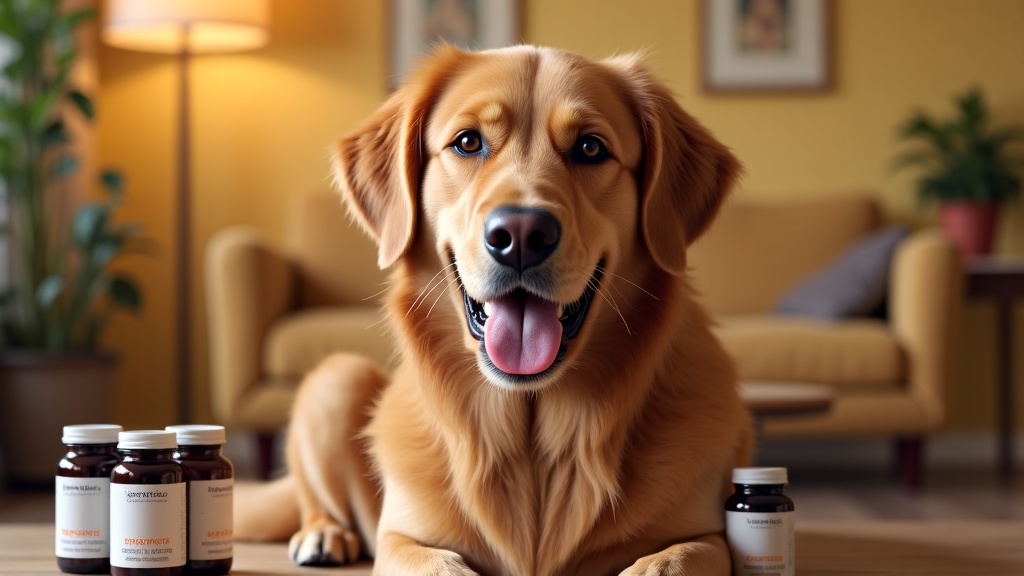
NMN supplements for dogs are gaining attention in the longevity space, but right now, there’s no strong evidence they’ll extend your dog’s lifespan. After losing my golden retriever Cooper at just nine years old, I’ve spent countless hours researching anything that might help dogs live longer, and NMN sits in that promising-but-unproven category.
The science behind NMN (nicotinamide mononucleotide) looks compelling in lab studies, but we don’t yet have long-term canine clinical trials showing real-world lifespan extension. Here’s what I’ve learned about whether these supplements are worth considering for your dog.
What Is NMN and Why Are People Talking About It?
NMN is a precursor to NAD+ (nicotinamide adenine dinucleotide), a molecule that exists in every cell of your dog’s body and plays a crucial role in energy production and DNA repair. As dogs age, their NAD+ levels naturally decline—just like in humans—which may contribute to age-related health issues.
The theory is simple: supplement with NMN to boost NAD+ levels, potentially supporting cellular health and slowing aspects of aging. In mice, NMN supplementation has shown improvements in insulin sensitivity, mitochondrial function, and even extended healthspan in some studies.
But here’s the critical point: mice aren’t dogs, and dogs aren’t humans. What works in a lab setting doesn’t always translate to your living room.
The Current State of Research on NMN for Dogs
When I dig into veterinary literature and longevity research, the honest answer is that we’re still in early days for canine-specific NMN studies. Most of the excitement comes from:
- Rodent studies showing lifespan and healthspan improvements
- Human trials exploring safety and NAD+ boosting effects
- Anecdotal reports from dog owners
- Extrapolation from aging biology that’s conserved across species
The Dog Aging Project at the University of Washington is conducting rigorous research on canine longevity interventions, but comprehensive NMN trials in dogs are limited. Without multi-year, controlled studies tracking actual lifespan in dogs, we’re essentially making educated guesses.
NMN vs. Other NAD+ Boosters: What’s the Difference?
| Supplement | Mechanism | Canine Research | Cost |
|---|---|---|---|
| NMN | Direct NAD+ precursor | Limited | $$-$$$ |
| NR (Nicotinamide Riboside) | Alternative NAD+ precursor | Minimal | $$-$$$ |
| Niacinamide (B3) | Simple B vitamin, NAD+ support | Well-studied, safe | $ |
| Resveratrol | Activates sirtuins (uses NAD+) | Some safety data | $$ |
If you’re considering NAD+ support for your dog, standard niacinamide (vitamin B3) is significantly cheaper, has more established safety data in dogs, and may offer some of the same benefits without the premium price tag.
Products to Consider (If You Decide to Try NMN)
If you’re determined to experiment with NMN for your dog despite the limited evidence, here are some considerations. Most NMN products are marketed for humans, so dosing becomes tricky.
Some owners use NMN supplement powder and calculate doses based on body weight, typically extrapolating from human studies. The challenge is that we don’t know the optimal dose for dogs, or even if there is one.
A few specialty veterinary compounding pharmacies have started offering NMN for pets, but these are expensive and still based on limited canine-specific research.
Dosing Considerations
Human studies typically use 250-500mg daily for an average adult. Scaling by body weight, a 50-pound dog might theoretically receive 75-150mg, but this is pure speculation. Dogs metabolize substances differently than humans, and without pharmacokinetic studies in dogs, we’re guessing.
I always recommend starting with the lowest possible dose if you experiment, and discussing any new supplement with your veterinarian first—especially if your dog has existing health conditions or takes medications.
What Else Should Be in Your Dog’s Longevity Stack?
While we wait for better NMN data, there are other interventions with stronger evidence for supporting canine healthspan:
Proven Longevity Factors
- Weight management: Maintaining lean body condition is the single most evidence-backed longevity intervention for dogs
- Omega-3 fatty acids: Well-studied for cognitive function and inflammation reduction
- Regular exercise: Mental and physical activity supports healthy aging
- Dental care: Preventing periodontal disease reduces systemic inflammation
- Cancer screening: Early detection significantly improves outcomes
Supplements like fish oil for dogs and glucosamine have decades of research supporting their use, unlike NMN.
Potential Risks and Side Effects
NMN appears generally safe in human trials, with minimal reported side effects. However, we have limited long-term safety data for dogs specifically.
Theoretical concerns include:
- Unknown interactions with medications
- Potential impact on cancer risk (NAD+ supports cellular metabolism, including potentially cancer cells)
- Digestive upset if dosing is too high
- Financial cost for unproven benefits
The cancer question is particularly important. While NAD+ decline is associated with aging, and boosting it might support healthy cells, we also need to consider whether it could fuel existing cancerous cells. This hasn’t been adequately studied in dogs.
My Personal Take After Researching This
After Cooper died, I became somewhat obsessed with canine longevity research. I want to believe that a supplement could add years to my current dog’s life. But I’ve also learned to distinguish between what I want to be true and what the evidence actually shows.
Right now, NMN for dogs is in that frustrating space where it’s biologically plausible, promising in other species, but not yet proven in dogs. It might help, it probably won’t hurt (at reasonable doses), but we genuinely don’t know if it will extend your dog’s lifespan.
If I were choosing where to invest money for my dog’s longevity, I’d prioritize:
- High-quality whole food diet with appropriate calorie control
- Regular veterinary care including senior bloodwork
- Well-researched supplements like omega-3s and joint support
- Mental enrichment and appropriate exercise
- Then, maybe, experimental supplements like NMN if budget allows
Frequently Asked Questions
Can NMN supplements reverse aging in dogs?
No supplement can reverse aging. At best, NMN might support cellular health during the aging process, but we don’t have evidence that it reverses age-related changes in dogs. The mouse studies show improvements in some aging markers, but actual age reversal isn’t happening.
How long does it take to see results from NMN in dogs?
This is unknown because we don’t have controlled studies measuring specific outcomes in dogs. Human users sometimes report increased energy within weeks, but these are subjective reports. For true longevity benefits, you’d need to supplement for years and compare to similar dogs who didn’t receive NMN—which requires formal research.
Is NMN safe to give alongside other supplements?
NMN appears safe in isolation based on human studies, but we have limited data on interactions with other supplements or medications in dogs. Some owners combine NMN with resveratrol (which activates enzymes that use NAD+), but again, this combination hasn’t been studied in dogs. Always consult your vet before adding multiple supplements.
What’s the difference between NMN and NAD+ supplements?
NAD+ itself is a large molecule that doesn’t absorb well when taken orally. NMN is a smaller precursor that can be absorbed and then converted to NAD+ inside cells. Some products claim to deliver NAD+ directly, but NMN is generally considered a more efficient delivery method.
Should I wait for more research before trying NMN for my dog?
This depends on your risk tolerance and budget. If you’re the type who wants to wait for strong evidence, then yes, waiting is reasonable. If you’re comfortable experimenting with likely-safe but unproven supplements, and cost isn’t prohibitive, some owners are trying it now. There’s no right answer—just different approaches to uncertainty.
The honest truth is that we’re all trying to give our dogs the longest, healthiest lives possible, and sometimes that means navigating incomplete information. I’d love to tell you that NMN is a proven longevity supplement for dogs, but the research isn’t there yet. What we can do is make informed decisions based on the best available evidence, watch for emerging research, and focus on the fundamentals that we know work.
About Jamie
Dog Health Researcher — Portland, OR
Jamie lost her golden retriever Cooper to oral melanoma at just nine years old. That loss sent her deep into canine health research. At Dog Age Well, she shares what she’s learned about nutrition, supplements, and preventive care — not as a vet, but as a dog mom who did the homework so you don’t have to. Read more →