
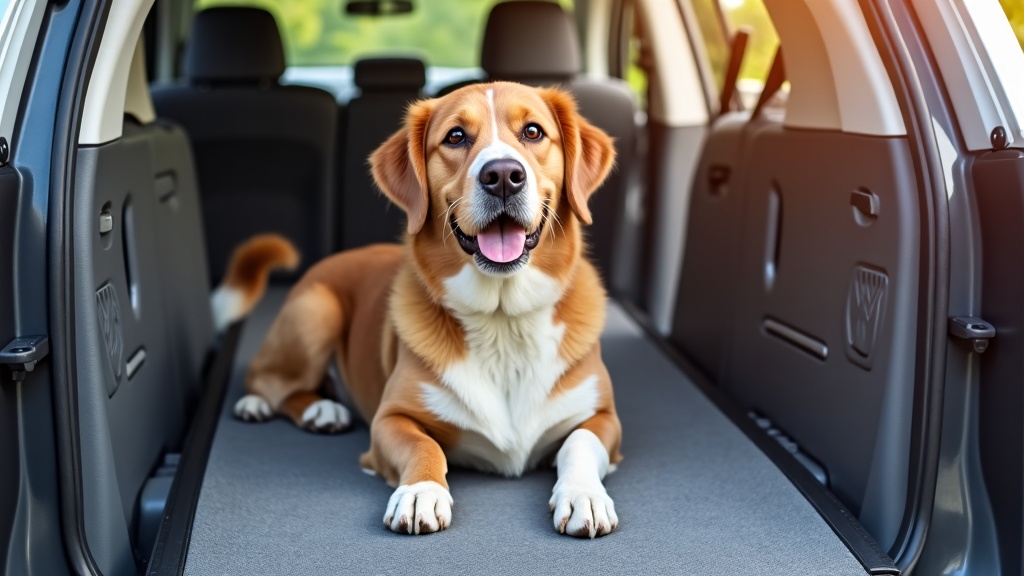
After watching Cooper struggle to jump into our Subaru at age 8, I spent three months researching every dog ramp on the market. The best dog ramp for senior dogs depends on where you need it most — car access requires different features than bedroom or furniture ramps — but the right one can add years of independence to your dog’s life by protecting arthritic joints from repetitive impact.
I learned this the hard way. By the time I got Cooper a ramp, his hips were already compromised. If you’re reading this, you’re ahead of where I was, and I’m going to walk you through exactly what matters when choosing a ramp for your senior dog.
Why Senior Dogs Need Ramps (Not Just Steps)
The impact force on a dog’s joints from a 24-inch jump is roughly 4-5 times their body weight. For a 70-pound senior dog with early arthritis, that’s 280-350 pounds of force hitting already-inflamed cartilage multiple times per day.
Pet steps still require your dog to navigate height changes with each step, which means repeated joint compression. A properly angled ramp (ideally 18-22 degrees or less) allows continuous motion with minimal joint stress. The difference matters most for dogs with:
- Hip dysplasia or arthritis
- Intervertebral disc disease (IVDD)
- Post-surgical recovery (ACL repair, spinal surgery)
- General senior mobility decline
- Breeds prone to joint issues (German Shepherds, Golden Retrievers, Labs, Corgis)
Cooper had early hip dysplasia that we didn’t catch until his annual at age 7. If I’d known then what I know now, I would have introduced a ramp at age 5.
The Three Types of Dog Ramps You Actually Need
Most senior dog households eventually need all three, but your priority depends on what your dog does most often.
Car Ramps: For Vehicles and Outdoor Access
Car ramps need to be longer (at least 60-72 inches for SUVs) to maintain that gentle slope. The problem is that most “car ramps” marketed to pet owners are too steep for arthritic dogs when used with standard-height vehicles.
Key features for car ramps:
- Length matters more than you think: A 72-inch ramp for a 24-inch high tailgate creates an 18-degree angle. A 48-inch ramp creates a 30-degree angle — too steep for most senior dogs with joint pain.
- Weight capacity 2x your dog’s weight: Dynamic load (a moving dog) exceeds static weight ratings. For a 60-pound dog, look for 120+ pound capacity.
- Weatherproof surface: Rubber or textured plastic that won’t get slippery when wet.
- Side rails: Essential for nervous dogs or those with balance issues.
- Foldable for storage: Unless you have a truck bed, you’ll want it to fold in half.
I use a telescoping dog ramp for large dogs that extends to 72 inches. It lives in my cargo area and takes 10 seconds to set up.
Couch and Furniture Ramps: For Indoor Mobility
These are typically 24-40 inches long and designed for furniture heights of 16-24 inches. The main decision here is whether you want a permanent ramp or something portable.
After Cooper passed, I fostered a 12-year-old Lab mix with severe hip arthritis. We tried a foam dog ramp for the couch that stayed in place by the sofa. She used it constantly — I’d estimate 8-12 times per day. That’s 8-12 joint compressions prevented daily.
Best features for furniture ramps:
- High-density foam or solid plastic: Won’t compress under repeated use.
- Removable, washable cover: Because dogs track everything onto furniture ramps.
- Non-slip bottom: Must stay in place when your dog pushes off.
- Aesthetics matter: You’re looking at this every day. Neutral colors blend better than bright pet-store colors.
Bed Ramps: For Bedroom Access
Bed ramps are similar to couch ramps but often need to be taller (20-30 inches is common for modern platform beds and mattresses). Many people use the same ramp for both, but if your bed is against a wall, you might want a dedicated ramp that can stay in position.
I keep a dog ramp for high beds on the side of my bed. It’s carpeted, blends with my bedroom, and my current dog (a 9-year-old rescue) uses it every single night.
Dog Ramp Comparison: Which Type for Your Situation
| Ramp Type | Best For | Typical Length | Portability | Price Range |
|---|---|---|---|---|
| Telescoping Car Ramp | SUVs, trucks, travel, vet visits | 60-72″ | High (folds to 36″) | $80-150 |
| Foam Furniture Ramp | Couch, bed, indoor use | 24-40″ | Low (stays in place) | $40-90 |
| Wooden/Plastic Indoor Ramp | High beds, permanent setup | 30-48″ | Low (furniture-style) | $60-120 |
| Bi-Fold Portable Ramp | Multi-purpose, travel | 48-62″ | Medium (folds in half) | $60-110 |
| Carpeted Furniture Ramp | Nervous dogs, aesthetic match | 28-40″ | Low (decorative look) | $70-140 |
What to Look for When Buying a Dog Ramp
After testing six different ramps with foster dogs ranging from 35 to 85 pounds, these are the features that actually mattered:
1. Surface Traction
Your dog needs confident footing, especially if they’re already hesitant about the ramp. Look for:
- Textured rubber treads (best for car ramps in all weather)
- Low-pile carpet (good for indoor ramps)
- Sandpaper-style coating (can wear down over time)
Avoid smooth plastic or painted wood — these become dangerously slippery with any moisture or if your dog’s pads are sweaty from anxiety.
2. Weight Capacity vs. Your Dog’s Actual Weight
Manufacturers test with static weight. Your moving dog creates more force. I recommend a capacity that’s at least 1.5-2x your dog’s weight. So for a 70-pound senior dog, look for ramps rated to 120+ pounds.
3. Angle and Slope
The magic number is 18-22 degrees for most senior dogs with arthritis. Any steeper and you’re defeating the purpose. Calculate it:
Angle = arctan(height ÷ length) × 57.3
Or use this shortcut: For every 10 inches of height, you want 30 inches of ramp length to stay under 20 degrees.
4. Side Rails or Raised Edges
Some dogs are confident ramp users from day one. Most need side rails for security, especially older dogs with vision changes or balance issues. Even a 2-3 inch raised edge helps.
5. Storage and Portability
Car ramps that don’t fold are impractical for most households. Indoor ramps that look like medical equipment create friction with other household members (I speak from experience). Find something that either stores easily or looks intentional in your space.
Training Your Senior Dog to Use a Ramp
Cooper refused his ramp for two weeks. I was feeding him on it, treating him on it, and he’d still try to jump. Then I blocked the jump option completely and gave him no choice. He figured it out in one evening.
Your approach:
- Start with the ramp flat on the ground. Let your dog walk across it with treats at the end. Do this 10-15 times.
- Elevate one end slightly (4-6 inches) using books or blocks. More treats. Make it a fun game.
- Move to the actual setup but block the jump option. Put the ramp in place and physically prevent your dog from jumping. They’ll figure out the ramp when it’s their only option.
- High-value treats for the first week. Real chicken, cheese, whatever your dog goes crazy for.
- Be patient with hesitant dogs. Some take days, some take minutes. Don’t force them; coax them.
For car ramps specifically: practice in the driveway with the car off and doors open before attempting to use it for a real trip.
When to Get a Ramp (Hint: Earlier Than You Think)
I waited until Cooper was visibly struggling. That was a mistake. The research I’ve read since suggests introducing ramps around age 6-7 for large breeds, age 8-10 for medium breeds, especially if your dog:
- Hesitates before jumping
- Needs a running start to get onto furniture
- Has been diagnosed with any joint condition
- Is a breed predisposed to hip or elbow dysplasia
- Has gained weight or shows signs of stiffness after rest
Early introduction also means your dog learns to use it while they’re still physically capable and confident, rather than learning a new skill while managing pain.
Multi-Dog Households and Ramp Logistics
If you have multiple dogs of different sizes or ages, you might need different ramps or one highly adjustable option. I currently foster, so I keep a portable folding dog ramp that works for car access and a permanent foam ramp by the couch.
Younger dogs will absolutely use the ramp too once they see it’s an option — that’s actually good, as it normalizes ramp use and protects their joints preventatively.
Alternatives and When They Make Sense
Ramps aren’t always the answer. For very small dogs (under 15 pounds), dog stairs for small dogs might be more space-efficient. For dogs who absolutely refuse ramps despite training, a lift harness or rear support sling can help you assist them safely.
But for most medium to large senior dogs with joint issues, a proper ramp is the gold standard for preserving mobility and independence.
Frequently Asked Questions
What is the best angle for a dog ramp for senior dogs with arthritis?
The optimal angle is 18-22 degrees. This translates to roughly 3:1 ratio — for every 1 foot of height, you need 3 feet of ramp length. A ramp that’s too steep (over 25 degrees) defeats the purpose by forcing your dog to strain going up and brake hard coming down, both of which stress arthritic joints.
How do I get my senior dog to actually use a ramp instead of jumping?
Block the jump option completely while introducing the ramp. Dogs default to familiar behaviors (jumping) even when it hurts. Place the ramp in position and physically prevent access to their usual jump spot. Use high-value treats at the top of the ramp. Most dogs figure it out within 1-3 days once jumping isn’t an option. Practice with the ramp at a low angle first if your dog is very hesitant.
What’s better for senior dogs: a ramp or stairs?
Ramps are generally better for dogs with arthritis, hip dysplasia, or IVDD because they eliminate the repeated compression that occurs with each step. Stairs still require your dog to lift their body weight at each step, creating impact force on joints. However, for very small dogs (under 20 pounds) or dogs with secure footing but mild mobility issues, stairs can be more space-efficient.
Can I use the same ramp for my car and my bed?
It depends on your bed height and vehicle type. Car ramps need to be 60-72 inches for most SUVs to maintain a safe angle, while bed ramps are typically 28-48 inches. If you have a low car and a tall bed, a 60-inch bi-fold or telescoping ramp could work for both. Most households end up with a portable ramp for the car and a dedicated ramp for indoor furniture.
How much weight should a dog ramp support?
Look for a ramp rated for at least 1.5-2 times your dog’s actual weight. A 70-pound dog creates dynamic loads well above 70 pounds when moving up or down the ramp. Ramps rated for 100-150 pounds will be sturdier and won’t flex or bow under use, which increases your dog’s confidence. Cheap ramps that feel wobbly often get abandoned because the dog doesn’t trust them.