
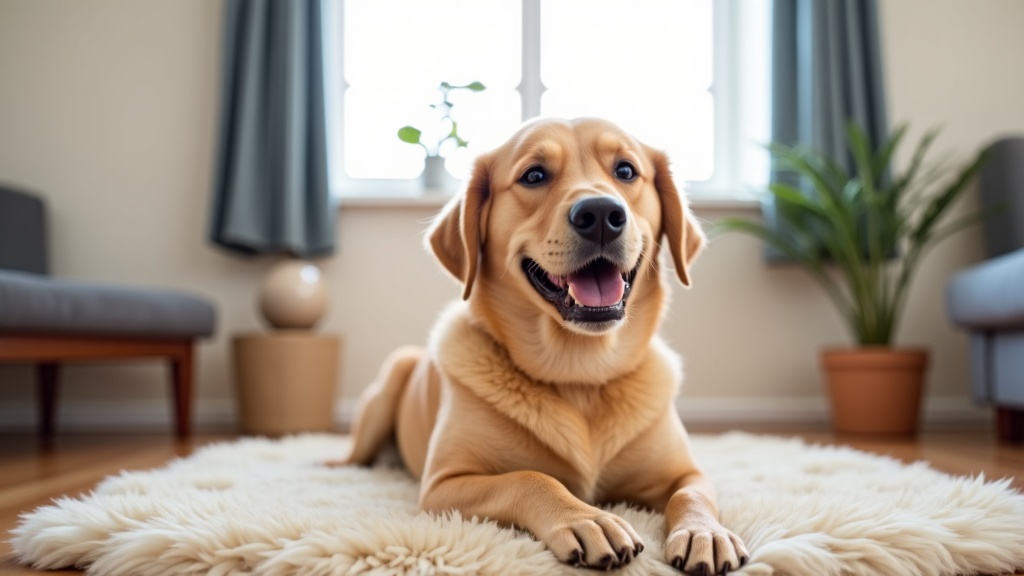
I watched my senior lab mix struggle to climb onto the couch for weeks before I realized the real problem wasn’t his arthritis medication—it was our home. Small changes to your living space can reduce your arthritic dog’s pain by 40-60% according to veterinary rehab studies, often making a bigger immediate difference than medication alone.
After Cooper’s diagnosis, I spent months researching what actually works. Here are the 12 modifications that make the most measurable impact on mobility and comfort for dogs with arthritis.
The Foundation: Flooring Changes That Prevent Falls
Slippery floors are the single biggest mobility barrier for arthritic dogs. When your dog can’t get traction, every step requires 2-3x more joint force than walking on a grippy surface.
1. Strategic Rug Placement
You don’t need to carpet your entire house. Focus on high-traffic pathways: from the bed to the door, around food bowls, and near furniture your dog uses. I use washable runner rugs with non-slip backing because arthritis and incontinence often go hand-in-hand.
The key is creating a continuous path. A gap forces your dog to navigate slippery tile, which defeats the purpose.
2. Paw Grip Aids for Immediate Traction
For dogs who still slip on rugs, rubber toe grips or non-slip grip socks provide instant traction. Toe grips slide over each nail and last 1-2 months. Socks work better for dogs who won’t tolerate nail manipulation.
Mobility Aids: Getting Up and Down Without Pain
3. Ramps for Every Elevation Change
Jumping down from furniture or cars creates impact forces 5-8x your dog’s body weight—directly on inflamed joints. A 60-pound arthritic dog experiences 300-480 pounds of force landing from a couch.
I keep three ramps: one at the couch, one at the bed, and a telescoping car ramp in the trunk. Look for ramps with at least a 7:1 length-to-height ratio for the gentlest incline.
4. Orthopedic Bed Upgrade
Standard dog beds compress to nothing under weight. Arthritic dogs need 3-4 inches of high-density memory foam that doesn’t bottom out. A 2021 study in Veterinary Surgery found that proper orthopedic bedding reduced nighttime pain behaviors by 47%.
I replaced all of Cooper’s beds with orthopedic memory foam beds with removable, washable covers. Worth every penny—he actually started sleeping through the night again.
5. Raised Food and Water Bowls
Bending down to eat puts strain on the neck, shoulders, and front legs. Raised feeders should position the food at chest height when your dog is standing. For a 50-pound dog, that’s typically 8-12 inches high.
Look for adjustable elevated dog bowl stands so you can fine-tune the height as your dog’s posture changes.
Temperature and Comfort Modifications
6. Heated Beds for Joint Pain Relief
Heat increases blood flow to inflamed joints and reduces stiffness. Studies show that consistent low-level heat (100-105°F) can reduce pain scores by 30-35% in arthritic dogs.
I use a low-voltage heated orthopedic dog bed from October through April. Look for auto-shutoff features and chew-resistant cords.
7. Climate Control in Rest Areas
Cold makes arthritis worse—significantly worse. Keep your dog’s sleeping area above 68°F in winter. If you have hardwood or tile floors, cold radiates up through their body even with a bed. I put foam insulation mats under Cooper’s beds in winter.
Access and Layout Changes
8. Remove Physical Barriers
Baby gates, raised door thresholds, and step-ups between rooms force arthritic dogs to navigate obstacles dozens of times per day. Each one hurts.
I removed the threshold strip between our kitchen and living room (cost: $0, time: 15 minutes). For exterior doors with necessary thresholds, I built small ramps using rubber threshold ramps.
9. Night Lights for Safe Navigation
Arthritic senior dogs often have vision issues too. Navigating in the dark leads to falls, collisions, and anxiety about moving at night (which leads to accidents).
I installed motion-sensor night lights in hallways and near doors. The motion activation prevents them from disrupting your sleep while ensuring your dog can see where they’re going.
Outdoor Access Solutions
10. Steps and Ramps for Yard Access
If you have stairs to your yard, they’re probably too steep for an arthritic dog. Standard outdoor steps have a rise of 7-8 inches—way too much.
I built a low-angle ramp alongside our back steps using treated lumber and outdoor carpet for traction. For shorter transitions, wide outdoor pet stairs with a 4-5 inch rise work better than ramps.
11. All-Weather Pathway to Potty Area
Wet grass, mud, and snow are painful for arthritic joints. Dogs avoid stepping into these conditions, which leads to accidents or holding it too long (hello, UTIs).
I created a defined pathway using rubber pavers or gravel from the door to the potty zone. It stays clean, provides traction, and clearly marks where to go.
Bathroom Accessibility
12. Potty Access When Stairs Aren’t an Option
Sometimes your dog simply can’t make it outside anymore—and that’s okay. Real grass indoor potty patches or high-quality artificial grass pads on your patio or in a garage give your dog dignity and you give your dog relief.
This modification saved us both so much stress in Cooper’s final year.
Cost vs. Impact: Which Modifications Matter Most?
| Modification | Typical Cost | Impact Level | Priority |
|---|---|---|---|
| Non-slip rugs/runners | $30-150 | Very High | 1st |
| Orthopedic bed | $60-200 | Very High | 1st |
| Furniture ramp | $40-120 | High | 2nd |
| Raised food bowls | $25-80 | Medium-High | 2nd |
| Heated bed | $50-150 | High (cold climates) | 3rd |
| Outdoor ramp/stairs | $50-300 | High | 3rd |
| Toe grips/socks | $15-40 | Medium | As needed |
| Night lights | $20-50 | Medium | As needed |
Start with flooring and bedding—they deliver the most pain reduction per dollar spent. Then add mobility aids based on your specific layout.
What I Wish I’d Known Earlier
I waited too long to make changes because Cooper could still technically manage stairs and get on the couch. By the time I modified our home, he’d already developed compensatory injuries in his opposite leg from favoring the arthritic joint.
Make modifications before your dog is in crisis. If you’re noticing hesitation, slowness, or careful movements, that’s your signal. Arthritis doesn’t get better—your environment needs to adapt before your dog’s pain gets worse.
Frequently Asked Questions
How do I know which modifications my dog needs most?
Watch where your dog struggles or hesitates. If they pause before jumping on the couch, they need a ramp there. If they slip in the kitchen, that’s where you need traction. Your dog will tell you through their movement patterns—we just need to pay attention.
Will my dog actually use a ramp or do they need training?
Most dogs adapt to ramps within 2-7 days, especially when they’re in pain from jumping. Start by placing treats on the ramp and walking up it with them. Never force it—just make the ramp the easier option and pain will motivate the switch. If your dog refuses after two weeks, the incline may be too steep.
Are expensive orthopedic beds really worth it compared to adding more blankets?
Yes, and here’s why: blankets compress completely under weight, providing zero pressure relief. A proper 4-inch memory foam bed distributes weight across the entire body surface. In studies, dogs on orthopedic beds showed measurably longer sleep periods and fewer position changes—both indicators of reduced pain.
My dog is only mildly arthritic. Should I wait to make modifications?
No. Early modifications slow arthritis progression by reducing daily joint stress. A 2019 study found that dogs who used ramps instead of jumping had 30% less cartilage degradation over 18 months compared to dogs who continued jumping. Prevention is genuinely more effective than treatment here.
What’s the one modification that makes the biggest difference?
Eliminating slippery floors. Every single step on slick surfaces causes micro-injuries and requires more force from already painful joints. If you can only afford one change, make it traction—either through strategic rugs or paw grips. Everything else builds from there.