
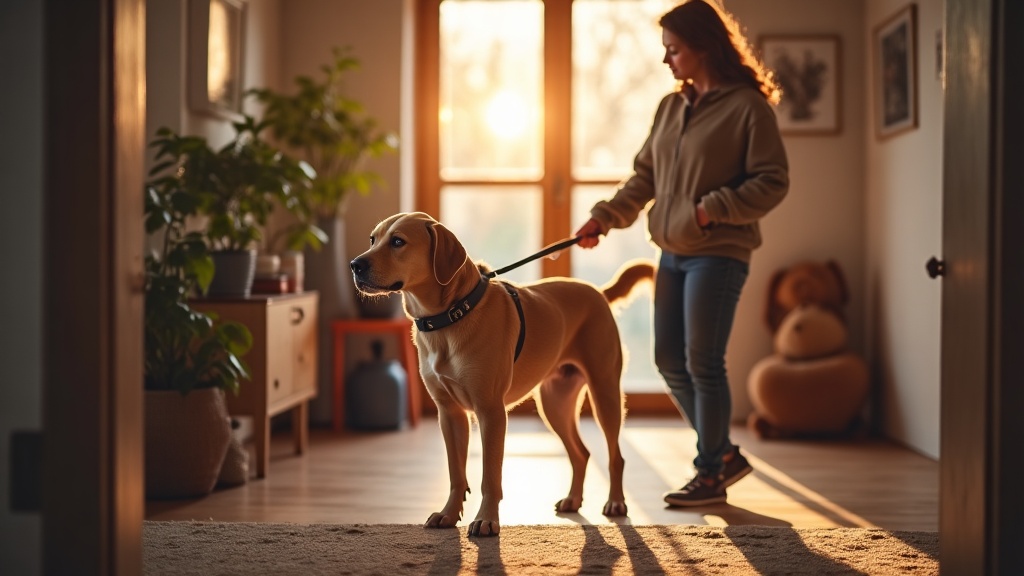
When Cooper hit 11, I noticed he’d stop halfway through our usual mile-long walk and just look at me like, he was ready to go home Most senior dogs need 15-30 minutes of walking per day, split into two shorter sessions — but your dog’s breed, health conditions, and mobility will determine their actual needs.
After adjusting Cooper’s routine and talking to three different vets about senior dog exercise, I learned that shorter, more frequent walks beat one long trek every time. Let me walk you through how to figure out the right duration for your older pup.
The General Rule for Senior Dog Walks
Most healthy senior dogs (7+ years for large breeds, 10+ for small breeds) do well with 15-30 minutes of walking daily. But here’s what matters more than any general rule: your dog’s individual signals.
I used to push Cooper to finish our walks because I thought he “needed the exercise.” What he actually needed was for me to notice he was slowing down because his joints hurt, not because he was being stubborn.
Signs Your Walk Is Too Long
- Lagging behind or pulling toward home
- Sitting or lying down mid-walk
- Limping or stiffness that worsens as you go
- Excessive panting (beyond normal for the temperature)
- Taking more than an hour to recover after the walk
If you see any of these, your walk is too long. Cut it back by 5-10 minutes and watch how they respond.
Walking Duration by Senior Dog Size and Breed
Larger breeds age faster than small dogs, and their exercise tolerance drops sooner. Here’s a breakdown based on what I’ve seen work across different breeds:
| Dog Size | Senior Age Starts | Typical Walk Duration | Frequency |
|---|---|---|---|
| Small breeds (under 20 lbs) | 10-12 years | 20-30 minutes | 2 times daily |
| Medium breeds (20-50 lbs) | 8-10 years | 15-25 minutes | 2 times daily |
| Large breeds (50-90 lbs) | 6-8 years | 10-20 minutes | 2-3 times daily |
| Giant breeds (90+ lbs) | 5-7 years | 10-15 minutes | 2-3 times daily |
Cooper was a golden, so he hit “senior” around 7. By 10, our twice-daily 30-minute walks had dropped to three 15-minute outings, and he was much happier.
Adjusting for Health Conditions
Health issues change everything. If your senior dog has any of these conditions, work with your vet to set appropriate walk times:
Arthritis and Joint Problems
Start with 10-minute walks and watch for limping or stiffness afterward. Some dogs do better with three very short walks (5-10 minutes) rather than one or two longer ones. A glucosamine supplement for dogs helped Cooper move more comfortably on our walks.
Morning walks were always rougher for him because his joints were stiffer after sleeping. I learned to do a very short morning potty trip, then save the actual walk for mid-morning after he’d moved around a bit.
Heart Disease
Dogs with heart conditions need shorter, slower walks — often 5-10 minutes max. Watch for excessive panting, coughing, or reluctance to move. Your vet should give you specific exercise limits based on the severity.
Cognitive Decline
Dogs with canine cognitive dysfunction sometimes get anxious on longer walks because they’re disoriented. Keep walks short (10-15 minutes) and stick to the same familiar route every time.
Vision or Hearing Loss
Senior dogs with sensory loss need slower-paced, shorter walks on familiar routes. They tire more quickly because they’re working harder to navigate. Stick to 10-20 minutes in areas they know well.
How to Build Up Walking Time Safely
If your senior dog has been sedentary or is recovering from illness, don’t jump straight to 30-minute walks. Here’s how I rebuilt Cooper’s endurance after his cancer treatment:
Week 1-2: 5-minute walks, twice daily
Week 3-4: 10-minute walks, twice daily
Week 5-6: 15-minute walks, twice daily
Week 7+: Maintain or add 5 minutes if they’re showing no signs of fatigue
Never increase by more than 5 minutes per week. If your dog shows any signs of excessive tiredness, drop back to the previous week’s duration.
Weather and Temperature Considerations
Senior dogs regulate temperature poorly. Cut walk times in half when:
- Temperature is above 80°F (25°C)
- Temperature is below 20°F (-7°C)
- It’s very humid (over 70% humidity)
On hot days, I’d take Cooper out at 6 AM and 8 PM only, keeping walks to 10 minutes max. In winter, a insulated dog coat let him stay out a bit longer comfortably.
Alternative Exercise When Walking Is Limited
Some days Cooper couldn’t handle any walk at all. Here’s what worked when walking wasn’t an option:
Mental Stimulation
A 10-minute sniff session in the backyard exhausted Cooper more than a 20-minute structured walk. Let your dog sniff at their own pace — it’s mentally tiring in the best way.
Swimming or Hydrotherapy
If your dog tolerates water, swimming is incredible for seniors. It’s joint-friendly and provides exercise without impact. Cooper loved his weekly swim sessions even when walks were hard.
Indoor Activities
Simple food puzzles, gentle play with a soft plush toy, or basic obedience practice can provide low-impact activity on days when going outside isn’t feasible.
Gear That Makes Senior Dog Walks Easier
The right equipment made a huge difference for Cooper’s mobility:
Support harness: A rear-support lifting harness let me help Cooper up when his back legs got tired on walks. Game-changer.
Orthopedic booties: Non-slip dog boots gave Cooper better traction, especially on slick surfaces. He could walk with more confidence.
Reflective gear: Since we walked early morning and evening, a LED safety collar kept him visible to cars.
When to See a Vet About Walking Changes
Call your vet if you notice:
- Sudden reluctance to walk when they previously enjoyed it
- Limping or favoring a leg
- Excessive panting even on short, cool-weather walks
- Coughing during or after walks
- Collapse or extreme fatigue after minimal activity
- Disorientation or confusion during familiar routes
These can signal pain, heart problems, or cognitive decline that needs treatment. Don’t write it off as “just getting old.”
Frequently Asked Questions
How do I know if I’m walking my senior dog too much?
Watch for excessive panting that lasts more than 10 minutes after the walk, limping, reluctance to get up the next day, or your dog sitting or lying down mid-walk. If recovery takes more than an hour, the walk was too long.
Should I walk my senior dog every day?
Yes, daily movement helps maintain muscle mass and joint flexibility, even if it’s just 10 minutes. However, on days when your dog is having a pain flare or isn’t feeling well, it’s fine to skip the walk and do gentle indoor activity instead.
Is it better to do one long walk or multiple short walks with a senior dog?
Multiple short walks are almost always better for senior dogs. Two or three 10-15 minute walks put less strain on aging joints than one 30-minute trek, and they keep your dog’s metabolism and bathroom schedule more regular.
My senior dog wants to walk farther than the recommended time — should I let them?
Some senior dogs stay unusually energetic and can handle longer walks. If your dog shows no signs of fatigue, isn’t limping, and recovers quickly, you can go longer. Just watch carefully the next day for delayed soreness or stiffness.
Can I take my senior dog on hikes?
It depends on your dog’s fitness level and the terrain. Flat, short trails (under 1 mile) work for some seniors, but steep or rocky trails put too much stress on aging joints. Bring a portable water bottle for dogs and be ready to turn back early if needed.