
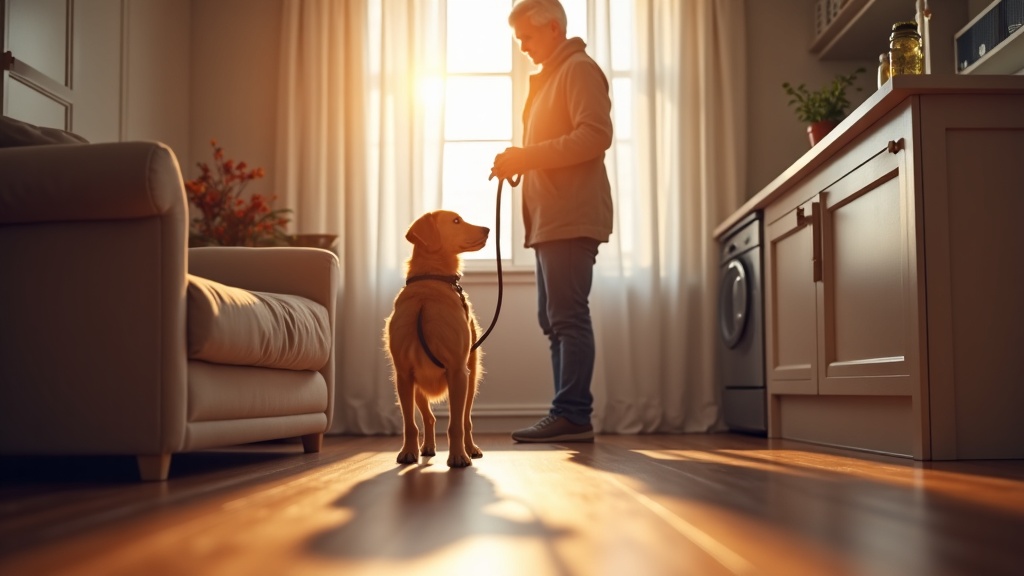
Do Older Dogs Walk Less?
Yes, older dogs typically walk less than they did in their younger years—and that’s completely normal. After watching Cooper slow down from his twice-daily 3-mile romps to gentle 15-minute strolls around the block, I learned that reduced activity in senior dogs isn’t laziness; it’s their body telling them what they need.
The tricky part is knowing when decreased walking is just normal aging versus a sign of pain or illness that needs attention. Let me share what I’ve learned from research and experience about why senior dogs walk less, how to tell if your dog is struggling, and what you can actually do to help.
Why Senior Dogs Walk Less
Dogs are masters at hiding discomfort, so by the time you notice them walking less, there’s usually a good reason behind it.
Arthritis and Joint Pain
Studies show that up to 80% of dogs over age 8 have osteoarthritis, even if they’re not limping. The cartilage cushioning their joints wears down over time, making movement uncomfortable. Your dog might not yelp or limp, but they’ll naturally reduce activity to avoid pain.
I didn’t realize Cooper had arthritis until our vet did a physical exam and he flinched when she manipulated his hips. He’d been compensating for months.
Reduced Stamina and Muscle Mass
Even healthy senior dogs lose muscle mass (sarcopenia) and cardiovascular fitness. What felt like an easy walk at age 3 becomes genuinely tiring at age 10. Their heart and lungs work harder, they overheat faster, and their muscles fatigue sooner.
Vision and Hearing Loss
Dogs navigating the world with declining senses often become more cautious. Dimming vision makes uneven sidewalks treacherous. Hearing loss means they can’t hear approaching bikes or cars as easily. Some dogs become anxious about walks because the world feels less predictable.
Cognitive Decline
Canine cognitive dysfunction (dog dementia) affects 14-35% of senior dogs. Dogs with CCD might forget familiar routes, seem disoriented outdoors, or lose interest in activities they once enjoyed—including walks.
Normal Aging vs. Medical Problems
Here’s how to tell the difference between “I’m just old and tired” and “something hurts.”
| Normal Senior Changes | Concerning Signs (See Vet) |
|---|---|
| Walks at a slower pace than before | Limping, bunny-hopping, or refusing to put weight on a leg |
| Prefers shorter walks (15-20 min instead of 45 min) | Stops walking entirely, sits down frequently, or tries to turn back home immediately |
| Needs more rest days between longer outings | Suddenly stops walking and won’t move, seems confused or disoriented |
| Stiff for first few minutes, then loosens up | Stiffness that gets worse during or after walks |
| Less enthusiastic about walks but still willing | Hides when you grab the leash, shows fear/anxiety about walking |
| Tires more easily, sleeps more | Labored breathing, excessive panting, coughing, or wheezing during walks |
How Much Should Senior Dogs Walk?
There’s no one-size-fits-all answer, but research suggests senior dogs still need regular moderate exercise—just less intense and shorter in duration.
General guidelines based on what I’ve learned:
- Healthy seniors (7-10 years): 20-40 minutes daily, split into two walks if needed
- Older seniors (10+ years): 15-30 minutes daily, with more frequent rest breaks
- Dogs with arthritis or mobility issues: 10-20 minutes of gentle walking, potentially multiple short walks instead of one longer one
The key is consistency. Three 10-minute walks are often better for arthritic dogs than one 30-minute marathon. Movement keeps joints lubricated and muscles engaged, but overexertion causes inflammation and pain.
Watch your individual dog. If they’re pulling you forward and sniffing enthusiastically, they can probably go further. If they’re lagging behind, stopping frequently, or sitting down, it’s time to head home.
Making Walks Easier for Your Senior Dog
Small changes made a huge difference for Cooper’s last year with us.
Switch to a Harness
A supportive front-clip harness takes pressure off your dog’s neck and gives you better control without yanking on their throat. Look for padded harnesses with a handle on the back—that handle saved us multiple times when Cooper needed help over curbs.
Choose Softer Surfaces
Grass and dirt trails are gentler on aging joints than concrete. We started driving to a nearby park with wood chip paths instead of walking the concrete sidewalks in our neighborhood. Cooper’s limp was noticeably better after soft-surface walks.
Avoid Extreme Temperatures
Senior dogs regulate temperature poorly. Walk in early morning or evening during summer. In winter, consider a warm dog coat for dogs with thin coats or low body fat.
Joint Supplements and Pain Management
Talk to your vet about glucosamine and chondroitin supplements or prescription anti-inflammatories. Cooper’s mobility improved significantly on Rimadyl, though we had to monitor his liver enzymes.
Some dogs benefit from CBD oil or omega-3 supplements, but evidence is still emerging. Always consult your vet before starting supplements.
Warm Up and Cool Down
Let your dog walk slowly for the first 5 minutes to warm up stiff joints. After the walk, a gentle massage focusing on their hips and shoulders can reduce inflammation.
Consider Alternative Exercise
Swimming and hydrotherapy are excellent for senior dogs because water supports their joints while providing resistance. Many dogs who can barely walk on land swim enthusiastically. Check for canine rehabilitation centers with heated pools in your area.
When Your Senior Dog Stops Walking Entirely
If your dog suddenly refuses to walk or can’t support their weight, this is a veterinary emergency. Possible causes include:
- Intervertebral disc disease (IVDD): A herniated disc pressing on the spinal cord
- Degenerative myelopathy: Progressive nerve degeneration (common in German Shepherds, Corgis)
- Vestibular disease: Inner ear problems causing dizziness and loss of balance
- Severe pain: Advanced arthritis, bone cancer, or soft tissue injury
- Heart or lung disease: Making walking physically exhausting
Don’t wait to see if it improves. I’ve read too many heartbreaking stories from owners who assumed their dog was “just old” when they actually had treatable conditions.
Mobility Aids for Dogs Who Need Extra Help
When walks become difficult, mobility aids can extend your dog’s active years:
- Rear-support harnesses: Lifting harnesses help you support your dog’s hindquarters on walks
- Dog wheelchairs: Custom carts allow dogs with paralyzed or weak rear legs to walk independently
- Boots with grip: Non-slip dog boots help dogs with proprioception issues walk on slippery floors
- Ramps: Portable ramps eliminate the need to jump in and out of cars
The Mental Benefits of Walking
Even if your senior dog walks slowly for just 10 minutes, don’t underestimate the mental stimulation. Sniffing is how dogs read their neighborhood “newspaper”—who walked by, what wildlife came through, what changed since yesterday.
Cognitive enrichment from outdoor exploration may help slow cognitive decline. A 2018 study found that senior dogs with regular environmental enrichment (walks, novel experiences, training) showed better cognitive function than isolated dogs.
If your dog truly can’t walk anymore, bring the enrichment to them: rotate toys, do scent games indoors, sit outside together so they can watch the world go by.
Frequently Asked Questions
How do I know if my senior dog is in pain during walks?
Watch for subtle signs: lagging behind you, stopping to “sniff” but really resting, reluctance to go up stairs or curbs, licking joints after walks, being grumpy when you touch their legs or hips, or sleeping more after walks than usual. Dogs rarely yelp or cry; they just move less.
Should I force my old dog to walk if they don’t want to?
No. Forced exercise can worsen joint damage and create negative associations with walks. If your dog is resistant, shorten the distance, try a different route or surface, check for pain (vet visit), or find alternative low-impact activities like gentle play or swimming.
Can senior dogs regain strength and walk more?
Sometimes, yes. Dogs with arthritis often improve significantly on pain medication, allowing them to move more, which rebuilds muscle and creates a positive cycle. Weight loss in overweight senior dogs can dramatically improve mobility. Physical therapy and structured exercise programs can also help.
What’s the best time of day to walk a senior dog?
Many dogs with arthritis are stiffest first thing in the morning. Try walking mid-morning after they’ve moved around a bit, or in the evening. Avoid the hottest part of the day. Pay attention to when your individual dog seems most comfortable and energetic.
My 12-year-old dog suddenly stopped wanting to walk. What should I do?
Schedule a vet exam within the next few days. Sudden changes in behavior often signal pain, illness, or injury. Possible causes range from easily treatable (ear infection causing dizziness, nail bed infection making walking painful) to serious (heart disease, cancer, neurological issues). Don’t wait.