
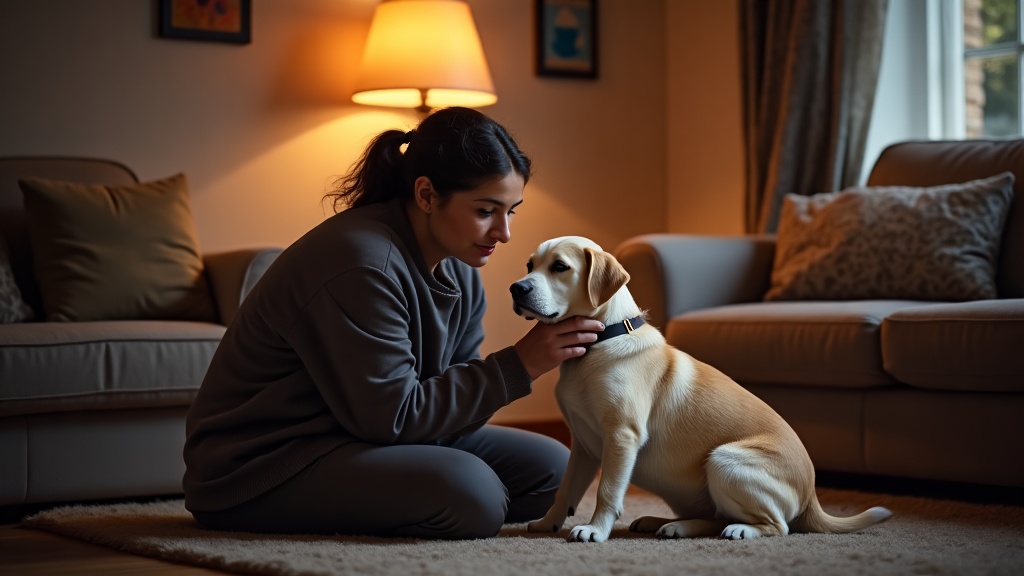
I learned the hard way that nighttime changes in an older dog are easy to dismiss until they become a pattern. When a senior dog starts panting at night, the most common explanations are pain, anxiety, overheating, medication side effects, heart or lung disease, hormone disorders like Cushing’s, or a body that is simply working harder than it used to. Sometimes it is minor and fixable. Sometimes it is the first visible sign that your dog needs a vet workup sooner, not later.
If you only take one thing from this article, let it be this: old-dog panting at night is not something I would write off as “just aging” if it is new, frequent, intense, or happening when the room is cool and your dog is at rest. Aging changes what dogs can tolerate, but it should not be a catchall explanation for obvious discomfort.
I am not a veterinarian. I am the kind of dog owner who reads studies, compares notes, and wishes I had pushed certain questions earlier with my own golden, Cooper. What matters most to me now is helping people separate normal warm-weather panting from the kind that deserves action, because early detection buys options. With senior dogs, that tradeoff matters.
Fast Answer: Why do old dogs pant at night?
Old dogs pant at night because something is making them feel physically stressed, uncomfortable, or unable to settle. The trigger may be as simple as a warm room or an overstuffed bed, but in senior dogs I think first about pain from arthritis, stress or confusion, medication effects, obesity, dental pain, heart disease, airway disease, or endocrine problems. Panting is a symptom, not a diagnosis. The useful question is not just “Is my dog panting?” but “What else is happening with it?”
Look at the full picture: Is your dog pacing, changing sleeping spots, coughing, drinking more, trembling, seeming bloated, or breathing harder even when lying down? Those details are what help your vet tell the difference between normal thermoregulation and a medical problem.
When Night Panting Is Most Concerning
Nighttime panting deserves faster attention when it is new, getting worse, or paired with other changes. Dogs do not save their symptoms for business hours, and some problems show up most clearly when the house gets quiet.
- Call your vet promptly if panting lasts more than a night or two without an obvious reason, wakes your dog repeatedly, or is happening at rest in a cool room.
- Seek urgent care if your dog also has pale or bluish gums, collapse, severe weakness, a swollen belly, repeated unproductive retching, obvious distress, or rapid breathing that does not settle.
- Take it seriously in deep-chested breeds if the abdomen looks enlarged or tight, because bloat can start with restlessness and panting.
- Move faster with known heart or lung disease because a change in nighttime breathing can signal progression.
I care less about one isolated pant after a hot evening and more about repeated patterns. Real dog-life decisions usually come down to trend lines, not one perfect symptom.
Common Causes of Senior Dog Panting at Night
1. Pain, especially arthritis or spine pain
This is the first thing I think about in an older dog that pants after bedtime. Many seniors seem fine during the day because they keep moving. At night, when they try to lie still, sore joints, neck pain, back pain, or abdominal discomfort become harder to ignore. A dog may pant, circle, change positions over and over, hesitate before lying down, or get up again within minutes.
What this means: if your dog is stiffer in the morning, slower on stairs, reluctant to jump, or seems restless on hard surfaces, pain belongs high on the list. Your vet may discuss weight management, joint-safe exercise, prescription pain control, physical rehab, or a better sleep setup. Supportive tools can help alongside treatment, such as an orthopedic dog bed for senior dogs if your dog struggles to get comfortable.
2. Heat intolerance and poor temperature regulation
Older dogs often handle warmth worse than they used to, especially if they are overweight, long-coated, brachycephalic, or living with heart or airway disease. Bedrooms that feel fine to us can be too warm for a senior dog curled into a plush bed.
What this means: cool the room, offer water, switch to a less insulating bed, and notice whether panting stops when the environment changes. If it does, heat may be the main driver, but I would still stay alert if this is a new issue in a senior dog. Aging reduces resilience, and the “why now?” question still matters. A cooling mat for dogs can be useful for dogs that naturally run hot.
3. Anxiety, cognitive decline, or nighttime confusion
Some older dogs pant because the dark, quiet hours have become disorienting. Canine cognitive dysfunction can cause pacing, staring, reversed sleep cycles, clinginess, house-soiling, and nighttime agitation. Dogs with noise sensitivity or separation-related stress may also save their worst symptoms for bedtime.
What this means: if panting comes with pacing, wandering, staring at walls, or seeming unable to settle, I would discuss cognitive changes with your vet instead of assuming it is “senility.” Environmental support sometimes helps: a predictable bedtime, easy access to water, a night-light, white noise, and a familiar sleeping spot. Food puzzles earlier in the evening can help some dogs decompress, and a simple lick mat for dogs may add calming enrichment before bed.
4. Heart disease or lung disease
Heart and respiratory problems can show up as panting, but owners often notice the pattern most at night because the house is still and the dog is resting. Coughing, faster resting breaths, exercise intolerance, or reluctance to lie flat can all go with this. Some dogs seem restless because breathing feels easier when they stay upright.
What this means: this is one of the categories where I would not “wait and see” for long. Count your dog’s resting respiratory rate when asleep or deeply relaxed. If the rate is repeatedly elevated, or your dog seems to work to breathe, contact your vet. Monitoring matters here. A pet camera with night vision can help you capture what happens after lights out if your dog settles differently when you are asleep.
5. Medication side effects
Prednisone and similar steroids are well-known for causing increased panting, thirst, hunger, and restlessness. Some pain medications, sedatives, and other prescriptions can also affect breathing comfort or nighttime behavior.
What this means: if panting started after a new medication or dose change, tell your vet exactly when the change happened. Do not stop prescribed medication on your own unless your veterinarian directs you to. Timing matters more than people realize, and it is one of the easiest clues to miss.
6. Cushing’s disease, obesity, or other body-wide stressors
Cushing’s disease often causes increased panting, increased thirst and urination, muscle loss, a pot-bellied look, and skin or coat changes. Obesity can amplify almost every cause on this list by making heat management, breathing, and movement harder.
What this means: if your older dog is panting more and also drinking more, asking to go out overnight, or changing shape, a full exam and lab work are reasonable. This is exactly the kind of problem where evidence beats guesswork. You cannot supplement your way around an undiagnosed hormone disorder.
7. Dental pain or hidden discomfort
Bad teeth can absolutely make a dog restless at night. So can ear infections, urinary discomfort, gastrointestinal upset, or even an ingrown nail. Senior dogs accumulate small problems that can combine into one big “can’t settle” presentation.
What this means: if the panting seems mysterious, widen the lens. Look for bad breath, drooling, chewing changes, paw licking, frequent repositioning, or straining to urinate or defecate. Home dental support is not a substitute for treatment, but a VOHC-style dog dental chew option can be part of a broader preventive routine once your vet says chewing is safe.
How to Tell Normal Panting From a Problem
| Pattern | More likely normal | More likely needs a vet call |
|---|---|---|
| Timing | After exercise, excitement, or a warm evening | At rest, in a cool room, or waking your dog from sleep |
| Duration | Stops within a short time after cooling down | Repeats nightly or lasts a long time without a clear trigger |
| Body language | Otherwise relaxed and settles easily | Pacing, trembling, repeated repositioning, staring, or distress |
| Breathing | Steady recovery, no coughing, no effort | Fast resting breaths, labored breathing, coughing, cannot get comfortable |
| Other signs | Normal appetite, water intake, and mobility | Increased thirst, weakness, belly swelling, stiffness, confusion, or collapse |
That middle column is where most owners get stuck. If your dog is technically still eating and still wagging, it is tempting to minimize the change. I try not to do that anymore. Senior dogs often stay brave long after their bodies start negotiating.
What You Can Do Tonight
If your older dog is panting tonight and is not in obvious emergency distress, focus on observation and comfort while you decide how quickly to call your vet.
- Move your dog to the coolest comfortable room and offer fresh water.
- Check the sleeping surface. Too soft, too warm, or hard-to-rise-from beds can worsen restlessness.
- Count breaths when your dog is asleep or deeply relaxed. Watch the chest rise and fall for 30 seconds and double it.
- Take a short video of the panting, pacing, posture, and any coughing. This is often more useful than a description from memory.
- Notice related changes: stiffness, appetite, drinking, bathroom habits, swelling, confusion, or medication timing.
- Avoid giving human pain relievers. Many are dangerous for dogs.
For some households, practical monitoring tools are worth it because patterns happen when nobody is fully awake. A waterproof dog blanket can help if nighttime pacing comes with accidents, and a set of senior dog bed steps may reduce repeated jumping and joint strain in dogs that climb onto furniture to sleep near you.
What Your Vet May Look For
If you bring this problem to your veterinarian, the workup depends on the rest of the story. They may examine joints, spine, abdomen, mouth, heart, and lungs; review medications; and ask about thirst, sleep, mobility, and coughing. Common next steps can include bloodwork, urinalysis, X-rays, blood pressure checks, and sometimes cardiac or abdominal imaging.
That can feel like a lot, but there is a reason: nighttime panting is one of those broad symptoms where several very different conditions overlap. The good news is that many of the common causes are treatable or at least manageable once identified. Pain can be managed. Beds and routines can be changed. Medication plans can be adjusted. Heart and endocrine problems usually benefit from catching them before a crisis.
I trust hype less and trend data more. If you walk into the appointment with videos, a breathing log, and a clear timeline, you give your vet a much better shot at finding the real issue quickly.
How I Think About Longevity Tradeoffs
Older dogs do not need perfection. They need fewer bad nights. That sounds simple, but it changes how I make decisions. I am less interested in miracle claims and more interested in whether something measurably improves comfort, mobility, sleep, or breathing. If a change helps your dog settle and preserves energy for the next day, that matters.
This is also why I do not love the advice to “just monitor it” without structure. Monitoring should mean something concrete: count breaths, track episodes, note triggers, compare nights, and escalate when the pattern changes. Quiet suffering is still suffering.
FAQ
Is it normal for an old dog to pant at night sometimes?
Sometimes, yes, especially after a warm day or mild stress. But if it is new, frequent, or happening while your dog is resting in a cool room, I would not assume it is normal aging.
Should I worry if my senior dog pants but seems otherwise okay?
Yes, at least enough to watch closely and call your vet if it keeps happening. Dogs can compensate well. “Otherwise okay” can still coexist with arthritis pain, early heart disease, medication effects, or endocrine issues.
How many resting breaths are too many?
A normal resting or sleeping respiratory rate is often under about 30 breaths per minute, though context matters. Repeatedly higher numbers, especially with effort or coughing, justify a vet call. If the breathing looks labored, skip the home monitoring and seek care.
Can arthritis really cause panting at night?
Absolutely. Pain and difficulty getting comfortable are common reasons older dogs pant, pace, and change positions after bedtime.
What should I record before calling the vet?
Record when the panting happens, room temperature, your dog’s resting breath rate, any pacing or coughing, recent medication changes, and videos of the episode. Those details can speed up diagnosis.
Author: Jamie is a Portland-based dog mom and longtime canine health researcher who writes for DogAgeWell with a practical, evidence-first approach. After losing her golden, Cooper, at nine, she focuses on the questions owners ask when they are trying to catch problems earlier, avoid hype, and help good dogs stay comfortable longer.