
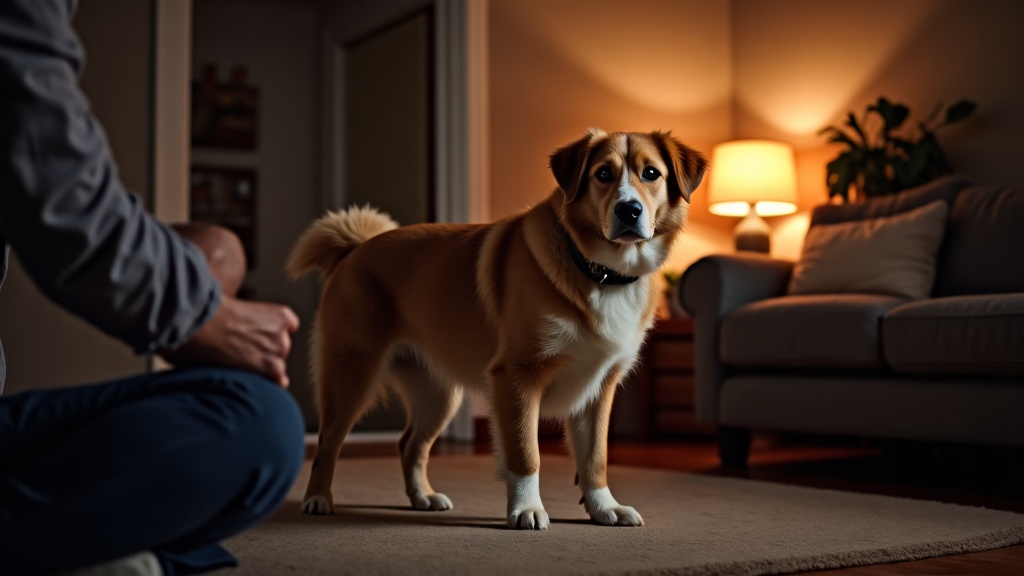
I do not treat a senior dog panting at night in a cool, quiet house as “for no reason.” In my experience as a careful dog-health researcher and a dog mom who has lived through the awful guessing game, nighttime panting usually means something is off: pain, anxiety, heat, medication side effects, cognitive changes, or a medical problem that is harder to spot in daylight. The fast answer is this: if your older dog is panting at rest, seems unable to settle, or looks like breathing itself is work, it deserves attention sooner rather than later.
What I wish more owners heard early is that senior dogs often whisper before they crash. A dog who pants, paces, changes sleeping spots, or keeps you up at 2 a.m. may be showing pain, confusion, or reduced physical reserve long before a diagnosis is obvious. That does not mean panic at every sigh. It does mean paying attention to the pattern.
If your dog is also breathing hard, using the belly to breathe, stretching the neck out, coughing, turning the gums blue-gray, or cannot lie down comfortably, skip the wait-and-see approach and call an emergency vet.
What “panting at night for no reason” usually really means
Dogs pant to cool themselves, but older dogs that pant indoors at night often have a reason other than room temperature. The most common buckets are discomfort, stress, hormone disease, heart or airway disease, medication effects, and age-related cognitive changes. Sometimes more than one is happening at once. That is why the best question is not “Is panting normal?” but “What else changed with it?”
I tend to look for clusters, not single symptoms. A dog who pants and gets up slowly in the morning points me toward pain. A dog who pants, drinks more, and asks to go out overnight makes me think about Cushing’s disease or medication effects. A dog who pants, paces, seems confused, and wanders at night raises the possibility of canine cognitive dysfunction.
Most likely causes in senior dogs
| Possible cause | What you may notice | What this means |
|---|---|---|
| Arthritis or other pain | Panting, pacing, circling before lying down, stiffness, reluctance on stairs, slower rise after rest | One of the most common reasons. Senior dogs often pant because they cannot get comfortable. |
| Cognitive dysfunction | Night wandering, staring, seeming lost, reversed sleep cycle, restlessness, house-soiling changes | Often described as dog dementia. Nighttime panting and pacing can be part of “sundowning.” |
| Cushing’s disease | Increased thirst, more urination, pot belly, bigger appetite, thinning coat, panting | Common in older dogs and worth asking your vet about if the pattern fits. |
| Heart or lung disease | Panting at rest, faster sleeping breathing, cough, exercise intolerance, weakness | Needs prompt veterinary evaluation because breathing problems can turn serious quickly. |
| Upper airway problems | Noisy breathing, raspy bark, gagging, worse in heat or excitement | Conditions like laryngeal paralysis are more common in older large dogs. |
| Medication side effects | Panting started after steroids or another new medication | Bring the exact medication list to your vet. Timing matters here. |
| Stress, noise, or heat | Panting tied to warm rooms, thunderstorms, fireworks, separation, or obvious triggers | Sometimes the reason is simple, but in seniors I still watch for a deeper medical driver. |
Pain is the first thing I would rule out
When an older dog pants at night, pain is high on my list because it is so easy to miss. A lot of dogs with arthritis do not cry out. They just become restless. They lie down, pop back up, circle, change beds, and pant because no position feels good for long. Vets also flag nighttime restlessness as a common clue that aging dogs cannot get comfortable.
This is where owner observation matters more than hype. You do not need a wearable or a miracle supplement to notice that your dog now hesitates before jumping into the car, licks joints more often, or stands in a “half-squat” before lying down. Those details help your vet connect the dots much faster.
What you can do now:
- Watch how your dog lies down and gets back up after rest.
- Notice whether panting follows activity earlier in the day or a slippery-floor struggle at bedtime.
- Use traction runners or non-slip mats between the bed, water, and door.
- Consider an orthopedic bed if your dog seems better on cushioned surfaces. A category search like orthopedic dog bed for senior dogs is reasonable if your current bed is flat or worn out.
- Do not give human pain medicine unless your veterinarian explicitly tells you to. Ibuprofen and similar drugs can be dangerous for dogs.
If the pattern screams discomfort, a vet exam is still the important step. Home setup helps, but it does not replace pain control, joint treatment, or looking for underlying issues like dental pain, spinal disease, or abdominal discomfort.
Cognitive dysfunction can look like anxiety in the dark
One of the tougher senior-dog realities is that brain aging often shows up at night first. Canine cognitive dysfunction can cause pacing, panting, staring, getting stuck in corners, sleep-wake reversal, and general inability to settle after sunset. Owners often describe it as, “She seems fine enough by day, but nights are getting weird.” That description matters.
I think this is where real-life dog care gets emotionally expensive. You are balancing sleep, safety, and quality of life, and you want to help without overreacting. My bias is to take nighttime confusion seriously because early support tends to be kinder than waiting for a full-blown crisis.
What can help while you wait for your appointment:
- Keep the bedtime routine extremely predictable: same walk, same last potty break, same sleeping area.
- Use soft lighting rather than a pitch-black room if your dog seems disoriented.
- Move water, bed, and exit path so your dog does not have to navigate clutter.
- Track exactly when the panting starts and whether pacing or staring comes with it.
- If you need to monitor what happens after you fall asleep, a simple pet camera with two-way audio can help you capture patterns for your vet instead of relying on memory.
Your veterinarian may discuss medical workup, anxiety management, pain control, or treatment options for cognitive decline. The main point is that nighttime panting plus confusion is not “just old age” in the dismissive sense. It is information.
Medical causes that deserve faster follow-up
Cushing’s disease
Cushing’s disease is common in older dogs and can absolutely show up as increased panting. The pattern that catches my attention is panting plus thirst, more frequent urination, a bigger appetite, muscle loss, a pot-bellied look, or coat thinning. If that combination is showing up, book a veterinary visit rather than trying to solve it with supplements.
Heart disease or fluid buildup
Panting at rest is different from panting after a normal evening walk. If your dog is breathing faster while asleep, coughing, tiring sooner, or refusing to lie on one side, think heart or lung disease until proven otherwise. Veterinary cardiology guidance often uses resting or sleeping breathing rate as a useful home metric, because dogs with heart failure tend to breathe faster at rest.
A practical at-home check is to count breaths for 30 seconds while your dog is asleep or deeply resting, then double it. One rise and fall of the chest equals one breath. If the number is repeatedly elevated or clearly trending up over days, that is worth reporting to your vet.
Airway problems
Older dogs, especially some large breeds, can develop airway issues such as laryngeal paralysis. Clues include raspy breathing, louder breathing sounds, gagging, heat intolerance, and a bark that has changed. These dogs may seem much worse in warm rooms or after excitement.
Medication effects
If nighttime panting started soon after a new prescription, say that immediately when you call the clinic. Steroids are a classic example because they can increase panting, thirst, appetite, and restlessness. This is one reason I keep a simple symptom timeline on my phone instead of trusting my exhausted brain at midnight.
When it is an emergency
Call an emergency vet promptly if your dog has any of these signs:
- Open-mouth breathing when not hot or exercising
- Pronounced belly effort with each breath
- Blue, gray, or very pale gums
- Neck stretched out to breathe or inability to lie down
- Collapse, weakness, or sudden distress
- Noisy breathing that is rapidly worsening
- Panting with a swollen abdomen, repeated vomiting, or obvious pain
I would much rather be told, “This was not an emergency after all,” than lose time assuming an old dog is merely anxious. Breathing trouble is one of the categories where waiting can go badly.
What to do tonight before the vet visit
- Cool the room modestly. Aim for comfort, not cold stress. If your dog always seeks tile at night, a cooling mat for dogs may help if heat is part of the picture.
- Offer water and a calm potty break. Increased nighttime thirst or urination is meaningful information, so notice it.
- Observe, do not hover. Watch whether your dog is simply warm, truly restless, painful, or struggling to breathe.
- Count the sleeping or resting breathing rate if you can do it without disturbing your dog.
- Write down the time, triggers, other symptoms, medications, and room temperature.
- Do not start sedatives, pain relievers, CBD, or supplements randomly on the same night you are trying to understand a new symptom.
If your dog seems bored but not medically distressed, gentle calming enrichment can help take the edge off the evening. I prefer simple options over overmarketed promises, like a lick mat for dogs used with a vet-approved topping. But if panting is persistent, enrichment is support, not the fix.
How I would prepare for the veterinary appointment
The goal is to make the visit more efficient and more diagnostic. Bring or record:
- When the panting started and whether it is every night or intermittent
- Videos of the panting, pacing, posture, and breathing effort
- Resting or sleeping breathing rates from a few different nights
- Any changes in thirst, appetite, urination, stool, barking, or sleep schedule
- All medications and supplements, including recent dose changes
- Mobility changes: stairs, jumping, slipping, getting into bed, getting in the car
That may sound basic, but it is the difference between “My dog was weird last night” and a useful history. Longevity decisions are often made from patterns, not dramatic one-off moments. The earlier you spot the pattern, the more options you usually have.
What treatment usually depends on
There is no single best fix because panting is a sign, not a diagnosis. If pain is the driver, treatment may include veterinary pain control, weight management, joint therapy, and home modifications. If cognitive dysfunction is involved, your vet may discuss behavior changes, medical support, and environmental adjustments. If the cause is Cushing’s disease, heart disease, airway disease, or medication-related, the plan changes completely.
This is where I part ways with the internet’s one-size-fits-all answers. A “calming supplement” is not a real solution for congestive heart failure. A cooling mat is not a treatment for Cushing’s. And a senior dog who is panting because of untreated dental pain does not need a generic anti-anxiety gummy. Matching the fix to the cause is what protects both comfort and lifespan.
FAQ
Is it normal for an old dog to pant at night?
Occasional panting in a warm room can be normal. Repeated nighttime panting in a cool house, especially with pacing, stiffness, coughing, confusion, or increased thirst, is not something I would brush off.
Can arthritis really cause panting?
Yes. Dogs in pain often pant and cannot settle comfortably. In seniors, arthritis is one of the most plausible explanations for nighttime panting.
How do I tell panting from dangerous breathing?
Look for effort, not just noise. Belly heaving, neck extension, inability to rest, blue-gray gums, collapse, or obvious distress mean urgent veterinary care.
Should I monitor breathing rate at home?
Yes, if your dog is calm or asleep. It is one of the most useful home data points for heart and breathing concerns. Trends matter more than a single imperfect count.
Can dementia make a dog pant at night?
Yes. Cognitive dysfunction can cause nighttime pacing, panting, confusion, and sleep disruption, especially in older dogs.
About the author: Jamie is a Portland-based dog health writer and researcher for DogAgeWell. She writes for owners who want clear, evidence-driven guidance without the hype, especially when senior-dog changes are subtle, messy, and emotionally hard to sort out.