
When my vet first suggested laser therapy for Cooper’s arthritis, I thought it sounded like expensive pseudoscience. But after digging through veterinary research and talking to dog owners who’d actually tried it, I learned that cold laser therapy is one of the few alternative treatments with solid clinical backing—though whether it’s worth the cost depends entirely on what you’re treating.
Laser therapy for dogs uses focused light energy to reduce inflammation, accelerate healing, and manage pain in conditions ranging from arthritis to post-surgical recovery. It’s non-invasive, typically painless, and backed by peer-reviewed studies showing measurable improvements in mobility and wound healing. The catch? Most insurance doesn’t cover it, sessions run $30-$75 each, and you’ll usually need 6-10 treatments to see results.
What Is Laser Therapy for Dogs?
Veterinary laser therapy—also called low-level laser therapy (LLLT), cold laser therapy, or photobiomodulation—uses specific wavelengths of light (usually 600-1000 nanometers) to penetrate tissue and stimulate cellular repair. Unlike surgical lasers that cut tissue, therapeutic lasers deliver energy that increases ATP production in cells, reduces inflammatory markers, and improves blood flow to injured areas.
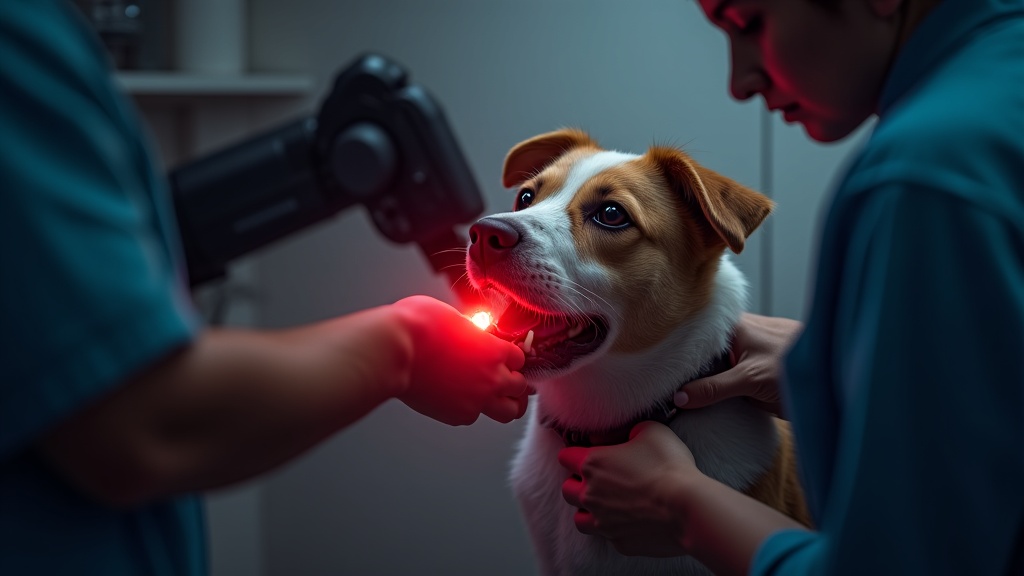
The process is surprisingly simple: your vet holds a handheld laser device against your dog’s skin, moving it slowly over the treatment area for 3-10 minutes. Most dogs tolerate it well—some even fall asleep during sessions. The light isn’t hot (hence “cold” laser), though your dog might feel a gentle warming sensation.
There are two main types used in veterinary medicine:
- Class III lasers (5-500 milliwatts): Lower power, used for surface-level conditions like skin wounds and hotspots
- Class IV lasers (1-60 watts): Higher power, penetrates deeper tissue for joint pain, muscle injuries, and neurological conditions
Class IV lasers are more common in modern veterinary practices because they work faster and reach deeper structures like hip joints and spinal nerves. If your vet offers laser therapy, ask which class they use—it affects both treatment time and effectiveness for your dog’s specific condition.
What Conditions Does Laser Therapy Actually Treat?
I went through published veterinary studies to see what conditions have actual evidence behind them, not just marketing claims. Here’s what the research supports:
Osteoarthritis and Joint Pain
This is where laser therapy shines (pun intended). Multiple studies show dogs with hip dysplasia, elbow arthritis, and general degenerative joint disease experience measurable improvements in mobility and pain scores after 6-8 sessions. A 2020 study in the American Journal of Veterinary Research found that dogs receiving laser therapy alongside NSAIDs had better outcomes than NSAIDs alone.
It won’t cure arthritis or rebuild cartilage, but it can reduce inflammation enough to improve quality of life, especially in senior dogs where surgery isn’t an option.
Post-Surgical Recovery
Laser therapy speeds healing after ACL repairs, spay/neuter procedures, and orthopedic surgeries by increasing circulation to surgical sites and reducing post-op swelling. Many veterinary surgeons now include it as part of standard post-op protocols because it measurably shortens recovery time.
Acute Injuries and Soft Tissue Damage
Muscle strains, ligament sprains, and tendon injuries respond well to laser therapy. If your dog pulls a muscle during a hike or develops a limp after playing too hard, early intervention with laser therapy (within 48-72 hours) can significantly reduce healing time.
Skin Conditions and Wound Healing
Hotspots, lick granulomas, surgical incisions, and slow-healing wounds all heal faster with laser therapy. The light stimulates fibroblast activity (cells that build new tissue) and reduces bacterial load in infected wounds. I’ve seen impressive before-and-after photos from vet clinics treating stubborn hotspots that wouldn’t respond to topical treatments alone.
Neurological Conditions
Some evidence suggests laser therapy helps dogs with intervertebral disc disease (IVDD) and nerve damage, though results are more variable than with joint issues. It’s sometimes used alongside physical therapy for dogs recovering from spinal injuries.
Chronic Pain Management
For dogs with conditions that cause ongoing pain—like hip dysplasia in breeds prone to it—laser therapy can reduce reliance on NSAIDs, which is significant because long-term NSAID use carries risks of kidney and liver damage.
How Much Does Laser Therapy for Dogs Cost?
Here’s the reality check I wish someone had given me upfront:
| Treatment Scenario | Sessions Needed | Cost per Session | Total Cost |
|---|---|---|---|
| Acute injury (sprain, strain) | 3-5 sessions | $30-$75 | $90-$375 |
| Arthritis (initial course) | 6-10 sessions | $40-$75 | $240-$750 |
| Post-surgical recovery | 4-8 sessions | $35-$65 | $140-$520 |
| Chronic pain (ongoing) | 1-2/month indefinitely | $40-$75 | $480-$1,800/year |
Most clinics offer package deals—I’ve seen 6-session packages for $200-$350, which brings the per-session cost down. Urban areas and specialty practices charge more than rural general practices.
Insurance almost never covers it unless it’s part of a documented treatment plan for a covered condition (like post-ACL surgery recovery). Some wellness plans include a few sessions, but check the fine print.
Is Laser Therapy Worth the Cost? Here’s My Honest Take
After researching this extensively and talking to owners who’ve tried it, here’s when I think it’s worth the investment:
When Laser Therapy Makes Sense
Your dog has early-stage arthritis and you want to delay or reduce medication. If your 8-year-old Lab is just starting to show stiffness but isn’t in constant pain, a course of laser therapy plus joint supplements might buy you a year or two before needing daily NSAIDs. Given the potential side effects of long-term pain meds, this is money well spent.
You’re dealing with an acute injury and want faster recovery. If your dog tweaks a muscle and laser therapy can cut recovery from three weeks to ten days, that’s significant—especially for working dogs or active breeds who get anxious when they can’t exercise.
Your dog is recovering from surgery and already at the vet regularly. When you’re already making post-op visits, adding laser therapy to the appointment makes logistical sense and has solid evidence for reducing complications and speeding healing.
You’ve tried everything else for chronic pain and need alternatives. If your senior dog is maxed out on safe doses of pain medication but still struggling, laser therapy as an add-on treatment can sometimes provide that extra 10-20% improvement that makes the difference between a dog who can still enjoy walks versus one who can’t.
When to Skip It
Your vet suggests it for something with weak evidence. Some practices push laser therapy for conditions that don’t have strong research backing—like generalized “detox” or vague “immune support.” If your vet can’t cite specific studies or explain the mechanism for your dog’s condition, that’s a red flag.
You’re expecting a cure for a structural problem. Laser therapy won’t fix a torn ACL, reverse advanced hip dysplasia, or cure cancer. It’s a supportive therapy that manages symptoms and speeds healing—not a replacement for necessary surgery or primary treatment.
The cost would strain your budget. If $300-$500 for an initial treatment course means skipping your dog’s annual dental cleaning or delaying needed diagnostics, that’s not the right trade-off. Laser therapy is helpful but not essential.
What to Expect During Treatment
Most dogs tolerate laser therapy without any restraint or sedation. Your vet will have your dog wear protective goggles (they look adorable, and yes, you can take photos). The technician or vet moves the laser wand over the treatment area in slow, overlapping passes.
Session length depends on the area being treated—a small wound might take 2 minutes, while treating both hips for arthritis might take 8-10 minutes. You’ll usually start with 2-3 sessions per week, then taper to once weekly, then maintenance sessions every 2-4 weeks if needed.
Some dogs show improvement after just one or two sessions, but most need 4-6 before you see measurable changes. If you’re not seeing any improvement by session 6, have an honest conversation with your vet about whether it’s working or if you should try a different approach.
Supporting Your Dog’s Recovery at Home
Laser therapy works best when combined with other supportive care. Here’s what I recommend based on what actually helped Cooper:
Joint supplements: Glucosamine and chondroitin won’t rebuild cartilage, but they can reduce inflammation. Look for dog joint supplements with glucosamine that have actual clinical backing.
Orthopedic bedding: If your dog has arthritis or joint pain, a quality orthopedic dog bed with memory foam reduces pressure on painful joints during sleep.
Anti-inflammatory diet: Omega-3 fatty acids from fish oil have well-documented anti-inflammatory effects. I add fish oil supplements for dogs to Cooper’s meals.
Gentle exercise: Swimming and controlled leash walks maintain muscle mass without stressing joints. Avoid high-impact activities like ball chasing while your dog is recovering.
Questions to Ask Your Vet Before Starting Treatment
Don’t be afraid to ask these questions—any vet offering laser therapy should have clear answers:
- What class of laser do you use, and why is it appropriate for my dog’s condition?
- How many sessions do you recommend, and what’s the expected timeline for seeing results?
- What specific outcomes should I be watching for to gauge whether it’s working?
- Do you offer package pricing, and what happens if we don’t see improvement?
- Are there any conditions where laser therapy would be contraindicated for my dog?
Laser therapy shouldn’t be used over cancerous tumors (it can stimulate cell growth), on pregnant dogs, or directly over the eyes or thyroid gland. Make sure your vet takes a full history before starting treatment.
Frequently Asked Questions
How long do the effects of laser therapy last in dogs?
For acute injuries, benefits often last throughout the healing process once the initial course is complete. For chronic conditions like arthritis, most dogs need maintenance sessions every 2-4 weeks to sustain improvements. Some dogs maintain benefits for several weeks between sessions, while others need more frequent treatments—it varies based on the severity of the condition and individual response.
Can I do laser therapy for my dog at home?
Home laser therapy units are available, but I’m cautious about recommending them. Veterinary-grade Class IV lasers are expensive ($3,000-$15,000), and consumer devices are typically much lower power, which means longer treatment times and potentially less effectiveness. More importantly, improper use can cause eye damage or skin burns. If you’re considering a home unit, get training from your vet first and make sure you understand proper technique and safety protocols.
Does laser therapy hurt dogs?
No, laser therapy is painless. Most dogs find it relaxing—some even fall asleep during sessions. Your dog might feel a gentle warming sensation, but there’s no pain, no needles, and no side effects. The biggest challenge is usually just keeping an active dog still for 5-10 minutes.
How quickly does laser therapy work for dogs?
Some dogs show improvement within 24-48 hours after the first session, but most need 4-6 treatments before you see measurable changes in mobility or pain levels. Acute injuries typically respond faster than chronic conditions. If you don’t see any improvement after 6 sessions, it’s worth reassessing whether laser therapy is the right approach for your dog’s specific condition.
Is laser therapy better than medication for dog arthritis?
It’s not an either-or situation. Laser therapy works best as part of a multimodal pain management plan. For mild arthritis, laser therapy plus supplements might be enough to avoid medication. For moderate to severe arthritis, combining laser therapy with NSAIDs often allows you to use lower doses of medication, reducing the risk of side effects while still managing pain effectively. Talk to your vet about the right combination for your dog’s situation.