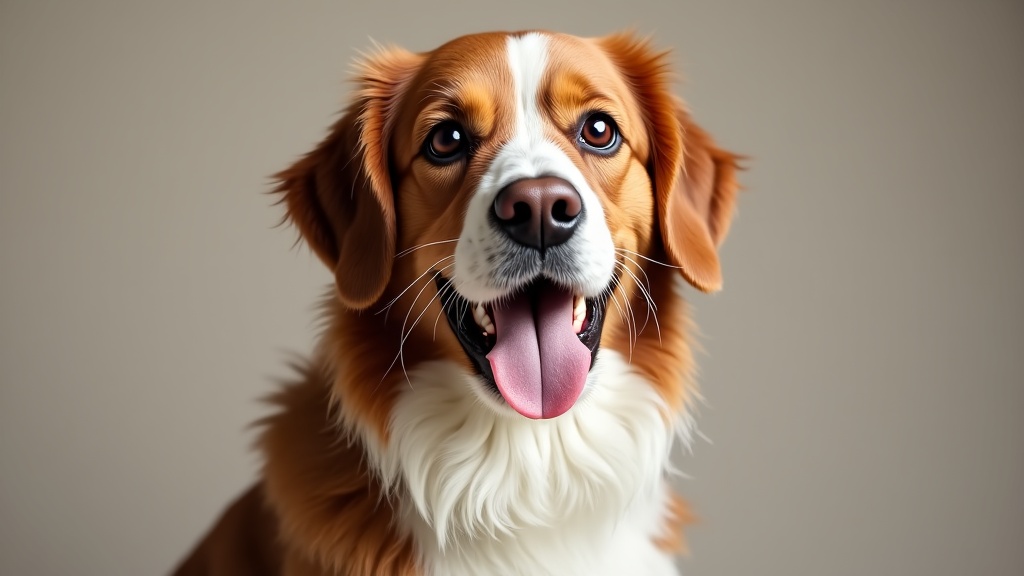
When my golden Cooper started gaining weight despite eating less, sleeping more than usual, and developing a dull, thinning coat, I knew something was wrong. After blood work, our vet diagnosed hypothyroidism—one of the most common hormonal disorders in middle-aged and senior dogs. If your dog is showing unexplained lethargy, weight gain, or skin changes, hypothyroidism in dogs might be the culprit.
Hypothyroidism occurs when the thyroid gland doesn’t produce enough thyroid hormone, slowing down your dog’s entire metabolism. The good news? It’s highly treatable with daily medication, and most dogs return to their normal selves within weeks of starting treatment.
What Is Hypothyroidism in Dogs?
The thyroid gland, located in your dog’s neck, produces hormones that regulate metabolism—essentially controlling how fast or slow the body’s cells work. When this gland underperforms, everything slows down: energy levels drop, weight increases despite normal eating, and skin and coat quality deteriorates.
In dogs, hypothyroidism is almost always caused by one of two conditions:
- Lymphocytic thyroiditis: An autoimmune disease where the immune system attacks the thyroid gland (most common cause)
- Idiopathic thyroid gland atrophy: The thyroid tissue is replaced by fat cells for unknown reasons
Certain breeds are predisposed to hypothyroidism, including Golden Retrievers, Doberman Pinschers, Irish Setters, Cocker Spaniels, Dachshunds, and Boxers. The condition typically develops between ages 4-10 years, with an average onset around 7 years old.
Recognizing the Symptoms of Hypothyroidism in Dogs
Hypothyroidism develops gradually, and symptoms can be subtle at first. Many owners dismiss early signs as “just getting older.” Here’s what to watch for:
Classic Metabolic Symptoms
- Unexplained weight gain: Your dog gains weight despite eating the same amount (or even less)
- Lethargy and weakness: Reduced interest in walks, play, or activities they once enjoyed
- Cold intolerance: Seeking warm spots more than usual, reluctance to go outside in cold weather
- Mental dullness: Seeming less alert or responsive than normal
Skin and Coat Changes
These are often the most noticeable signs:
- Dry, dull, brittle coat that lacks shine
- Excessive shedding or hair loss (especially on the tail—”rat tail”)
- Slow hair regrowth after clipping or shaving
- Thickened, “puffy” skin, especially on the face (giving a “tragic” expression)
- Recurrent skin infections or chronic ear infections
- Hyperpigmentation (darkening of the skin)
Less Common Symptoms
- Reproductive issues (irregular heat cycles in females, reduced fertility)
- Neurological signs in rare cases (head tilt, seizures, facial nerve paralysis)
- Slow heart rate (bradycardia)
- High cholesterol on blood tests
In Cooper’s case, the weight gain came first—he’d put on 8 pounds in six months despite me cutting back his food. Then came the lethargy and that dull coat that no amount of omega-3 supplements seemed to fix.
Diagnostic Blood Tests for Hypothyroidism
Diagnosing hypothyroidism requires blood work—you can’t diagnose it based on symptoms alone. But thyroid testing can be complicated because many factors affect thyroid hormone levels.
The Total T4 Test (Starting Point)
This measures the total amount of thyroxine (T4) in the blood. It’s the most common initial screening test because it’s affordable and widely available.
- Normal T4: Rules out hypothyroidism in most cases
- Low T4: Suggests hypothyroidism but needs follow-up testing
The problem? Many factors can temporarily lower T4 levels even in healthy dogs: certain medications (steroids, NSAIDs, phenobarbital), other illnesses (kidney disease, Cushing’s disease), and even stress. This is called “euthyroid sick syndrome.”
Free T4 by Equilibrium Dialysis (fT4ed)
This test measures the active, unbound portion of T4 hormone. It’s more accurate than total T4 and less affected by other medications or illnesses.
- Low fT4ed: Strong indicator of hypothyroidism
- Normal fT4ed: Usually rules out hypothyroidism, even if total T4 is low
Many vets now run both total T4 and fT4ed together for more reliable results.
Thyroid Stimulating Hormone (TSH)
When the thyroid isn’t producing enough hormone, the pituitary gland releases TSH to try to stimulate it. Elevated TSH + low T4 is a strong confirmation of hypothyroidism.
However, TSH can be normal in about 20-40% of hypothyroid dogs, so a normal TSH doesn’t rule out the condition.
Thyroid Autoantibodies
These tests detect antibodies against thyroid tissue, confirming autoimmune thyroiditis. They’re useful for breeding programs (identifying dogs at risk of passing on the condition) but aren’t necessary for diagnosis or treatment decisions.
| Test | What It Measures | When to Use |
|---|---|---|
| Total T4 | Total thyroxine in blood | First screening test; affordable |
| Free T4 (fT4ed) | Active, unbound T4 hormone | Most accurate diagnostic test |
| TSH | Pituitary hormone response | Confirms diagnosis when elevated |
| Thyroid Antibodies | Autoimmune markers | Breeding decisions; not needed for treatment |
Treatment: Lifelong Thyroid Hormone Replacement
The treatment for hypothyroidism in dogs is straightforward: daily thyroid hormone replacement medication. The most commonly prescribed medication is levothyroxine (synthetic T4), sold under brand names like Soloxine, Thyro-Tabs, or generic levothyroxine.
Starting Treatment
Your vet will calculate the initial dosage based on your dog’s weight. The medication is typically given twice daily, though once daily dosing works for some dogs. The tablet should be given on an empty stomach (1 hour before or 2 hours after meals) for best absorption, though many vets say giving it with food is fine if that’s the only way your dog will take it.
Most dogs show improvement within 4-6 weeks:
- Energy levels increase within 2-3 weeks
- Weight starts to normalize within 4-6 weeks
- Coat quality improves within 2-3 months (it takes time for new hair to grow)
Cooper’s transformation was remarkable—within a month, he was back to begging for morning walks instead of sleeping through them.
Monitoring and Dose Adjustments
After starting medication, your dog will need follow-up blood work to ensure the dose is correct:
- First recheck: 4-6 weeks after starting medication
- Timing matters: Blood should be drawn 4-6 hours after the morning pill (when levels peak)
- Target range: T4 should be in the high-normal to slightly above-normal range
Once stable, your dog will need monitoring every 6-12 months, or anytime symptoms return. Dosing often needs adjustment as dogs age or if their weight changes significantly.
Cost Considerations
Levothyroxine is one of the most affordable long-term medications in veterinary medicine. Generic versions cost $15-40 per month depending on your dog’s size. Annual blood work adds $100-200 to the yearly cost. Many owners use pill pockets or pill dispensers to make daily medicating easier.
Living with a Hypothyroid Dog
Once treatment is established, most hypothyroid dogs live completely normal, healthy lives. The key is consistency:
Daily Medication Tips
- Give medication at the same time each day (set phone reminders)
- Keep extra medication on hand—don’t let yourself run out
- If you miss a dose, give it as soon as you remember, then resume normal schedule
- Store medication away from heat and moisture
When to Call Your Vet
Contact your veterinarian if you notice:
- Original symptoms returning (lethargy, weight gain, coat deterioration)
- Signs of excessive thyroid hormone: restlessness, panting, increased thirst/urination, weight loss, hyperactivity
- Any new or concerning symptoms
Long-Term Outlook
With proper treatment, dogs with hypothyroidism have a normal life expectancy. The condition itself doesn’t shorten lifespan, and most dogs feel and look completely normal once their hormone levels are regulated. Regular monitoring ensures the dosage stays correct as your dog ages.
Frequently Asked Questions
Can hypothyroidism in dogs be cured?
No, hypothyroidism is a lifelong condition that requires daily medication. The thyroid gland has been permanently damaged and cannot regenerate. However, the condition is highly manageable with medication, and most dogs live completely normal lives with treatment.
What happens if hypothyroidism in dogs goes untreated?
Untreated hypothyroidism progressively worsens over time. Dogs become increasingly lethargic, gain more weight, and develop worsening skin problems. In rare cases, severe untreated hypothyroidism can lead to myxedema coma, a life-threatening condition. The good news is that treatment prevents all of these complications.
How much does it cost to treat hypothyroidism in dogs?
Treatment is relatively affordable compared to other chronic conditions. Generic levothyroxine costs $15-40 per month depending on your dog’s size. Initial diagnostic blood work costs $150-300, and annual monitoring blood work costs $100-200. Overall, expect to spend $300-700 in the first year, then $250-500 annually thereafter.
Can diet affect hypothyroidism in dogs?
Diet cannot cause or cure hypothyroidism in dogs. However, once treatment begins, you’ll need to adjust food portions as your dog’s metabolism normalizes—many dogs lose weight and need more calories. Some owners supplement with fish oil omega-3 supplements to support coat health during recovery, though this doesn’t affect thyroid function itself.
Is hypothyroidism common in senior dogs?
Yes, hypothyroidism is one of the most common hormonal disorders in middle-aged to senior dogs, typically developing between ages 4-10. Certain breeds are at higher risk, including Golden Retrievers, Dobermans, Cocker Spaniels, and Dachshunds. If your senior dog is showing unexplained weight gain, lethargy, or coat changes, ask your vet about thyroid testing.