I wish this one were normal aging, but it usually is not. Senior dogs do not typically lose teeth just because they got older. When an adult dog has a loose tooth or a tooth falls out, I assume there is dental disease, infection, trauma, or another mouth problem until a veterinarian proves otherwise.
Age raises the odds because plaque, tartar, and gum inflammation have had more years to build up. But age itself is not the direct cause of tooth loss. A healthy adult tooth should stay anchored, and when it does not, the supporting tissue is usually already damaged.
The Short Answer
No, it is not normal for senior dogs to lose teeth from age alone. The most common reason is periodontal disease, but broken teeth, root infection, oral masses, and severe gum damage can also be involved.
What Usually Causes Tooth Loss in Older Dogs
Periodontal disease is the big one. It starts as plaque and tartar, then moves below the gumline where it weakens the ligaments and bone that hold the tooth in place. By the time a tooth feels loose, the disease is often advanced enough that more than one tooth may be affected.
I also worry about fractured teeth, abscesses, retained roots, and oral tumors. Some small breeds are especially vulnerable, but any senior dog can end up here if the mouth has not been monitored closely.
| Possible cause | What you may notice | Why it matters |
|---|---|---|
| Periodontal disease | Bad breath, tartar, red gums, loose teeth | Most common cause and often painful |
| Broken tooth | Chewing on one side, sudden mouth pain, pawing | Can expose the pulp and trigger infection |
| Tooth root abscess | Facial swelling, drainage, refusal to eat | Often needs extraction and treatment |
| Oral mass or tumor | Bleeding, odd lump, fast changes in the mouth | Needs prompt veterinary evaluation |
Signs Something Is Wrong Beyond the Missing Tooth
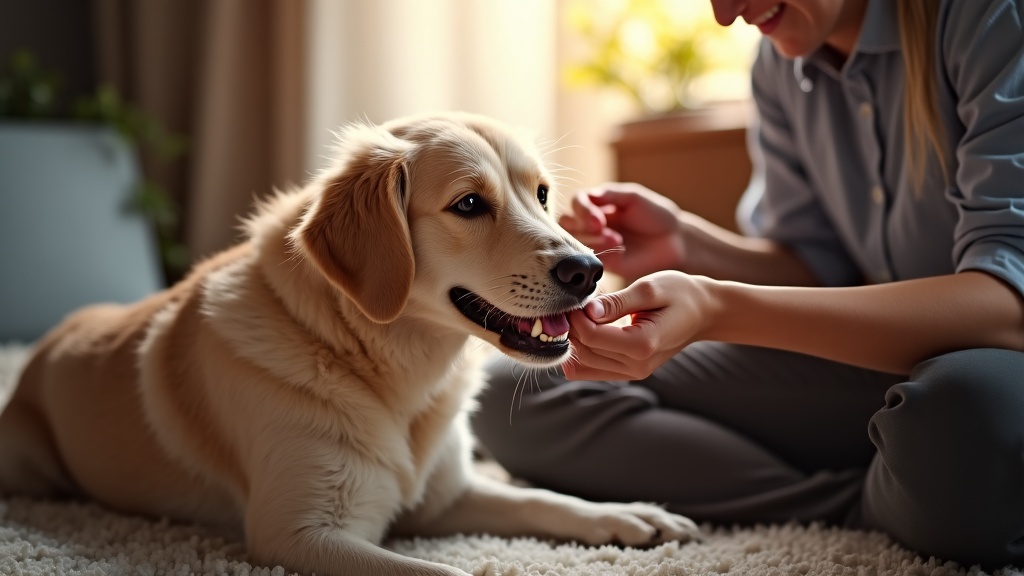
A missing tooth is only the obvious part. I would also watch for bad breath, drooling, blood on toys, red or bleeding gums, face rubbing, slower eating, dropping kibble, favoring one side of the mouth, or suddenly refusing chew treats.
Dogs are excellent at hiding dental pain. A senior dog may still wag, still ask for dinner, and still have a badly painful mouth. That is why I do not use appetite alone as my test for whether the problem is serious.
What I Would Do Next
I would book a veterinary exam rather than waiting to see if another tooth gets loose. Most dogs with one lost tooth have more going on under the gumline than owners can see from the front of the mouth.
- Get the mouth examined for infection, gum recession, and additional loose teeth.
- Expect that dental X-rays may be needed to see what is happening below the surface.
- Ask whether a dental cleaning, extraction, pain control, or biopsy is recommended.
- If your dog seems painful, switch to softer food until the mouth is assessed.
Can a Senior Dog Still Eat Normally After Tooth Loss?
Often yes, especially after the painful tooth or diseased teeth are treated. Many dogs actually eat better after extractions because the chronic mouth pain is gone. What matters is not the missing tooth itself, but whether infection and inflammation are still being left in place.
Some dogs do better with softened kibble or canned food during recovery. If several teeth are gone, your veterinarian may suggest keeping meals softer long term, but a lot of dogs manage very well once the diseased teeth are out.
How I Try to Prevent More Tooth Loss
The best prevention is boring: regular brushing with dog-safe toothpaste, routine dental checks, and acting early when breath or gum color changes. Dental chews and approved oral-care products can help, but they are backups to a real dental routine, not replacements for it.
Senior dogs especially benefit from closer monitoring because the damage tends to build quietly for years. Catching it when the gums are inflamed is a lot better than catching it when the tooth is already missing.
Bottom Line
It is not normal for senior dogs to lose teeth simply because they are old. Tooth loss usually means there is dental disease or another oral problem that needs veterinary attention. The sooner you check it, the better your chances of relieving pain, protecting the remaining teeth, and keeping your dog comfortable.