Senior Dog Not Eating: What’s Normal, What’s Not, and What to Do
When my golden retriever Cooper turned 8, he started skipping breakfast occasionally. I panicked every single time. By the time he was diagnosed with cancer at 9, I’d learned the hard way that appetite changes in senior dogs are complex—sometimes they’re just picky, sometimes they’re signaling something serious.
The truth is, senior dogs often eat less than they did in their younger years, and that’s normal. Their metabolism slows, they’re less active, and their calorie needs drop. But when your older dog suddenly refuses food or goes more than 24 hours without eating, it’s time to investigate.
Why Senior Dogs Stop Eating: The Most Common Causes
After spending months researching canine appetite loss following Cooper’s diagnosis, I’ve compiled what actually matters. Here’s what the veterinary literature and my own experience taught me:
Medical Issues That Affect Appetite
Dental disease is the number one culprit I see discussed in senior dog forums. A 2017 study in BMC Veterinary Research found that over 80% of dogs over age 3 have some form of periodontal disease. Imagine eating with a constant toothache—you’d skip meals too.
Kidney disease causes nausea, which kills appetite. According to the International Renal Interest Society, kidney function naturally declines with age, and early chronic kidney disease often shows up as decreased food interest before any other symptoms appear.
Cancer was Cooper’s issue. Oral tumors can make eating painful, while internal cancers often cause a general malaise and nausea. The Veterinary Journal reports that approximately 50% of dogs over age 10 will develop some form of cancer.
Gastrointestinal problems—from inflammatory bowel disease to pancreatitis—become more common as dogs age. These conditions cause everything from mild discomfort to severe pain, both of which suppress appetite.
Cognitive decline can cause dogs to forget meal times, lose interest in food, or simply not recognize their food bowl. Canine cognitive dysfunction affects 14-35% of dogs over age 8, according to research published in Frontiers in Veterinary Science.
Non-Medical Reasons Your Senior Dog May Not Eat
Not every appetite loss is a health crisis. I learned to distinguish between Cooper being genuinely ill versus just being a picky senior.
- Medication side effects: NSAIDs, antibiotics, and heart medications commonly cause nausea or stomach upset
- Reduced sense of smell/taste: These senses naturally decline with age, making food less appealing
- Temperature sensitivity: Senior dogs become more sensitive to cold or hot food temperatures
- Change in routine: Older dogs thrive on consistency—boarding, visitors, or schedule changes can throw them off
- Food boredom: Yes, it’s real. After eating the same kibble for 10 years, some dogs just get tired of it
When to Worry: Red Flags That Need Immediate Attention
Here’s what I wish I’d known with Cooper. These signs mean “call your vet today, not tomorrow”:
| Symptom | Why It Matters | Urgency Level |
|---|---|---|
| No food or water for 24+ hours | Risk of dehydration and organ damage | Emergency |
| Vomiting or diarrhea with appetite loss | Suggests GI obstruction or severe illness | Same day |
| Lethargy, weakness, or collapse | Indicates systemic illness | Emergency |
| Visible pain when eating or drooling | Likely dental disease or oral tumor | Within 48 hours |
| Weight loss over 2-3 weeks | Progressive illness (cancer, kidney disease) | Within 1 week |
| Increased thirst with decreased appetite | Classic sign of kidney disease or diabetes | Within 48 hours |
Cooper showed drooling and reluctance to eat hard food. I waited a week before getting him checked. Don’t make my mistake—oral issues in senior dogs progress fast.
What to Try at Home First
If your dog is acting normally otherwise—no vomiting, still drinking water, still going to the bathroom—here are the strategies that worked for me with Cooper before his diagnosis, and that I’ve seen work for other senior dog parents:
1. Make Food More Appealing
Warm it up. Heating food to body temperature (around 100°F) releases aromas that can entice a dog with declining sense of smell. I microwave Cooper’s food for 10-15 seconds, stir, and test the temperature on my wrist.
Add toppers. Low-sodium bone broth, a spoonful of plain canned pumpkin, or a bit of unsalted bone broth for dogs can make kibble more interesting. I keep freeze-dried chicken treats on hand to crumble over meals.
Try wet food. Many senior dogs prefer the softer texture and stronger smell of canned food. If your dog is on kibble, consider mixing in some senior dog wet food or switching entirely.
2. Address Physical Eating Challenges
Elevate the bowl. Arthritis makes bending down to floor-level bowls painful. Elevated dog bowl stands made a huge difference for Cooper once his hips started bothering him.
Use shallow, wide bowls. Deep bowls can be hard for dogs with neck or back pain to navigate. Plus, some dogs don’t like their whiskers touching the sides.
3. Adjust Feeding Routine
Offer smaller, more frequent meals. Instead of two large meals, try three or four smaller ones. Senior dogs often do better with this approach, especially if nausea is an issue.
Reduce distractions. Feed in a quiet, calm area away from other pets, kids, or household noise. Cognitive decline can make it harder for older dogs to focus.
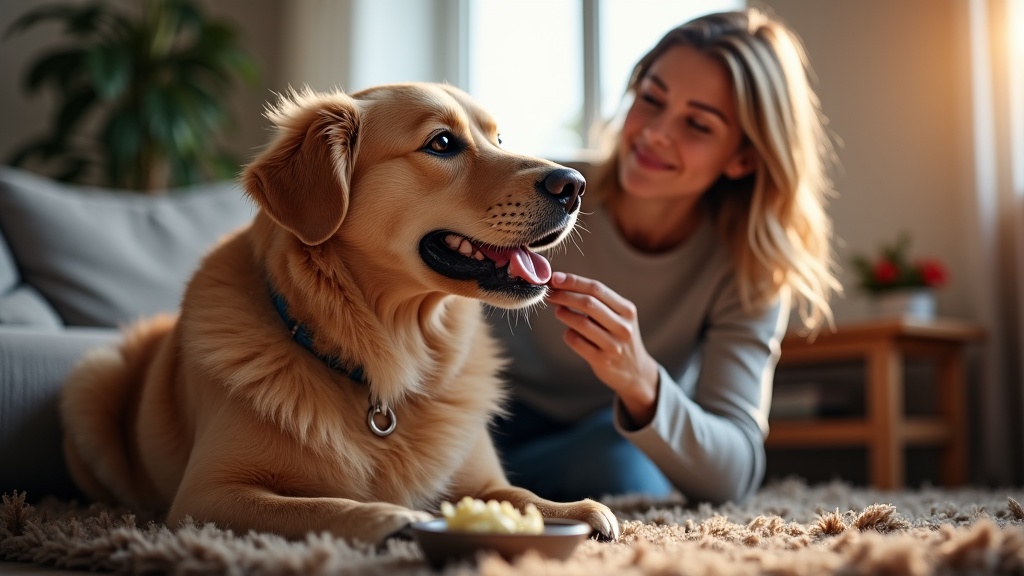
Hand feed. Sometimes the connection and encouragement of hand-feeding can jumpstart appetite. It worked for Cooper during his final months.
4. Consider Food Quality and Temperature
Check expiration dates—senior dogs are more sensitive to slightly stale or oxidized fats in older kibble. Store food in an airtight container and don’t buy bags larger than you’ll use in 4-6 weeks.
Some dogs develop preferences for room temperature food versus cold-from-the-fridge. Experiment to see what your dog prefers.
Prescription Options Your Vet May Recommend
When home strategies aren’t enough, veterinary intervention can make a big difference:
Appetite Stimulants
Mirtazapine is the most commonly prescribed appetite stimulant for dogs. It’s an antidepressant that has appetite stimulation as a side effect. My vet used this with Cooper during his cancer treatment, and it helped him maintain interest in food.
Maropitant (Cerenia) is an anti-nausea medication that can help if your dog’s appetite loss is due to nausea from kidney disease, cancer, or medication side effects.
Capromorelin (Entyce) is a newer FDA-approved appetite stimulant specifically for dogs. It mimics ghrelin, the “hunger hormone.”
Nutritional Support
For dogs who are losing weight or won’t eat enough, your vet might recommend high-calorie nutritional supplements or even temporary feeding tubes in severe cases.
Different Approaches for Different Diagnoses
The right strategy depends on why your dog isn’t eating:
For Dental Disease
Switch to soft food immediately, and schedule a dental cleaning. After Cooper’s dental at age 7, he ate better than he had in months—I hadn’t realized how much pain he’d been in.
For Kidney Disease
Kidney-specific diets are less palatable but necessary. Work with your vet on appetite stimulants and anti-nausea meds. Warm the food and add low-sodium broth to make it more appealing.
For Cancer
Focus on quality of life. Offer whatever your dog will eat—this is not the time to worry about “balanced” nutrition if your dog will only eat rotisserie chicken and rice. Keep them eating and comfortable.
For Cognitive Decline
Stick to rigid routines, feed in the same spot at the same times, and consider prescription foods formulated to support brain health.
What I Learned Too Late with Cooper
I waited too long to get Cooper’s mouth checked. I thought he was just being picky. By the time we found the oral melanoma, it had already spread.
Here’s what I wish I’d known: appetite changes in senior dogs are always worth investigating, even if your dog seems fine otherwise. At minimum, get a physical exam and basic bloodwork (CBC and chemistry panel) annually after age 7, and twice yearly after age 10.
Trust your gut. You know your dog better than anyone. If something feels off, it probably is.
Frequently Asked Questions
How long can a senior dog go without eating?
While healthy adult dogs can technically survive 3-5 days without food, senior dogs should not go more than 24 hours without eating. Their bodies are less resilient, and prolonged fasting can cause serious complications like hepatic lipidosis, especially in smaller dogs. If your senior dog hasn’t eaten in 24 hours, contact your vet.
Should I force-feed my senior dog?
Never force-feed a dog by prying open their mouth and pushing food in—this can cause aspiration pneumonia and damages trust. However, gentle syringe-feeding of liquefied food or hand-feeding small bites is sometimes appropriate under veterinary guidance. Always consult your vet first, as forced feeding can worsen certain conditions like pancreatitis.
Is it normal for senior dogs to eat less?
Yes, many senior dogs naturally reduce their food intake as their metabolism slows and activity level decreases. A gradual reduction in appetite over months or years can be normal. What’s not normal is a sudden refusal to eat, complete appetite loss, or eating less while also losing weight. The key is monitoring the trend—gradual is okay, sudden is not.
What are the best foods for senior dogs who won’t eat?
The “best” food is whatever your dog will actually eat. That said, highly palatable options include rotisserie chicken (remove skin and bones), plain boiled chicken and rice, senior dog wet food, baby food (meat only, no onion or garlic), scrambled eggs, and low-sodium bone broth. Warming food to body temperature increases palatability. For long-term management, work with your vet to find a nutritionally complete diet your dog enjoys.
Can anxiety cause a senior dog to stop eating?
Absolutely. Senior dogs often develop anxiety from cognitive decline, sensory loss (vision/hearing), or changes in routine. Separation anxiety, noise phobias, and stress from household changes can all suppress appetite. If you suspect anxiety, talk to your vet about environmental modifications, calming supplements like calming supplements for dogs, or prescription anti-anxiety medication. Maintaining consistent routines helps tremendously with anxious senior dogs.