When people ask me, What should I expect during my pet’s early veterinary visits?, the short answer is this: expect a full nose-to-tail exam, a lot of questions, a prevention plan, and a conversation about the habits that shape your pet’s long-term health. Early visits are not just about shots. They are where your veterinarian starts building a medical baseline, catches problems that are easy to miss at home, and helps you avoid the expensive, stressful spiral of waiting until something is obviously wrong.
I say that as a dog owner who has learned the hard way that “seems fine” is not the same thing as healthy. The best early vet visits usually feel almost a little boring: weight check, physical exam, vaccines when due, parasite screening, feeding and behavior questions, maybe stool or bloodwork depending on age and risk. That boring routine is exactly what protects longevity.
What matters to me as an owner is not doing more for the sake of doing more. It is doing the right things early, when prevention still works and small changes are still small. Good veterinary care is rarely about hype. It is mostly about timing, pattern recognition, and getting individualized advice before a minor issue turns into a painful one.
Why early veterinary visits matter more than many owners realize
In puppies and kittens, early appointments help your vet track growth, confirm vaccine timing, check for parasites, examine teeth and bite development, and screen for congenital issues, skin problems, heart murmurs, or orthopedic concerns. In newly adopted adult or senior pets, the first “early” visits matter just as much because the goal is to establish a baseline fast: weight, body condition, dental status, heart and lung sounds, skin and coat health, mobility, and any lab work your vet thinks fits the pet’s age and risk.
Veterinary preventive care guidelines consistently emphasize routine wellness exams because animals can hide pain and illness extremely well. That is especially true in cats, but plenty of dogs do it too. By the time a problem is obvious at home, it may already be harder and more expensive to treat.
If you just brought home a young pet, expect visits every few weeks during the vaccine series. If you adopted an older dog or cat, expect the first visit to focus less on “puppy stuff” and more on medical history, pain, dental disease, weight, mobility, and whether baseline diagnostics make sense now rather than later.
What actually happens during the appointment
1. History and lifestyle questions
Your veterinarian or technician will usually start by asking where your pet came from, what they eat, how much they eat, bathroom habits, energy level, medications, prior vaccines, parasite prevention, and any symptoms you have noticed. For dogs, expect questions about chewing, crate training, socialization, exercise, and stool quality. For cats, expect questions about litter box use, appetite, stress, and whether they are indoor-only or have any outdoor exposure.
This part matters more than people think. A good history often tells the vet where to look closer. Bring records from the breeder, shelter, rescue, or previous clinic if you have them.
2. Weight, body condition, and basic vitals
Your pet will be weighed, and that number becomes one of the most useful data points in the chart. Vets are not only watching whether a puppy or kitten is gaining normally. They are also watching body condition, muscle, hydration, temperature, pulse, and respiration. For adult and senior pets, gradual weight loss or gain can be an early clue to disease, chronic pain, or a mismatch between calorie intake and activity.
I pay close attention here because owners tend to normalize slow changes when we see our animals every day. Your vet sees the trend more clearly.
3. A full physical exam
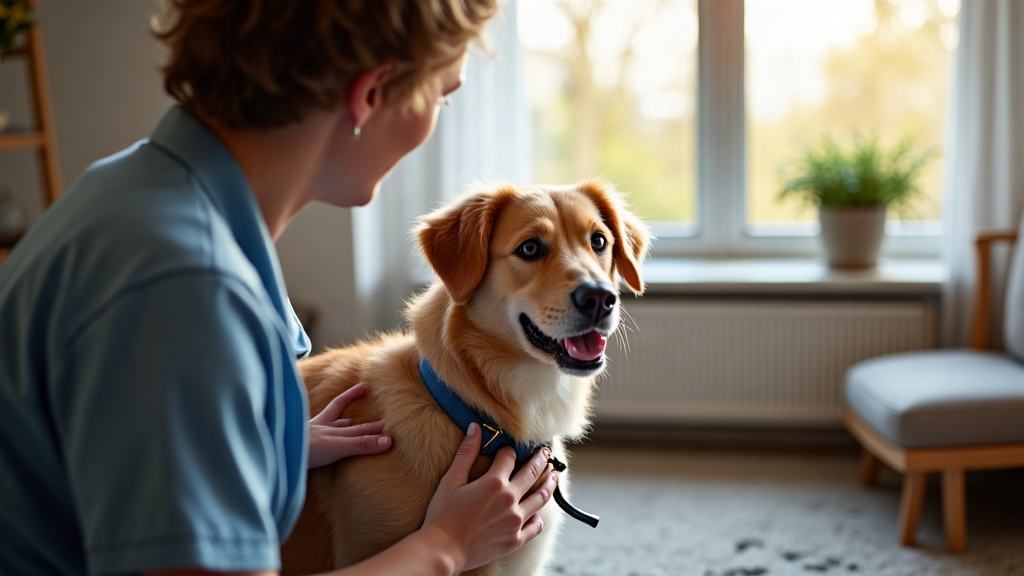
Expect your vet to check eyes, ears, nose, mouth, teeth, gums, lymph nodes, skin, coat, heart, lungs, abdomen, joints, paws, and body movement. They may feel for belly discomfort, enlarged organs, retained baby teeth, hernias, or lumps. In puppies and kittens, they may also discuss growth, bite alignment, and reproductive development. In older pets, the exam often focuses more heavily on dental disease, arthritis, heart changes, skin masses, and weight shifts.
If your pet is nervous, a good team will still gather a lot of useful information without forcing the pace. Fear-free handling is not a luxury. It improves the exam and makes future visits easier.
4. Vaccines and parasite prevention
Not every visit means every vaccine. Your vet will tailor recommendations to your pet’s age, prior records, local disease risk, travel, daycare exposure, and lifestyle. Puppies and kittens commonly need a series of vaccines spaced over time, not one and done. Dogs may also need lifestyle-based vaccines such as leptospirosis, bordetella, or canine influenza depending on risk. Cats may need lifestyle-based decisions around FeLV and other protection.
Parasite control is usually part of the same conversation. Expect discussion of fecal testing, deworming, flea and tick prevention, and heartworm prevention where appropriate. This is one of the clearest examples of prevention being cheaper than treatment.
5. Feeding, dental care, behavior, and home routine
One of the most useful parts of early visits is the practical advice. Your vet may help you choose a feeding schedule, calorie target, treat limit, dental routine, training priorities, and exercise plan. Ask about anything that feels small: loose stool, scratching, puppy biting, bad breath, difficulty jumping, or whether your cat is drinking “a little more lately.” Those details are exactly what wellness visits are for.
If you want a simple way to practice handling between visits, a lick mat for dogs can help many puppies learn that mouth checks, paw touches, and brief restraint predict something pleasant. For starting home dental care, a dog toothbrush kit with enzymatic toothpaste is more useful than waiting until tartar is obvious.
6. Tests your vet may recommend
Depending on the pet, this might include a fecal exam, heartworm test, FeLV/FIV testing for cats, skin or ear cytology, or baseline bloodwork and urinalysis. For very young pets, testing may be minimal unless something looks off. For newly adopted adult or senior pets, baseline lab work is often more valuable because it can reveal hidden disease before symptoms are dramatic.
This is where evidence beats assumptions. Owners sometimes think lab work is only for sick pets, but wellness testing can uncover kidney changes, anemia, infection, metabolic issues, or other problems while your pet still appears normal.
What to bring to the first few visits
- Medical records: vaccine dates, deworming history, microchip information, prior lab results, and adoption paperwork.
- A stool sample if requested: fresh, clearly labeled, and ideally collected the same day.
- A list of foods, treats, and supplements: brand names matter.
- Videos of concerning behavior: coughing, limping, odd gait, scratching, or episodes that may not happen in clinic.
- Your questions in writing: it is easy to forget them once the appointment starts.
- Safe transport: leash and secure collar or harness for dogs, sturdy carrier for cats.
If your pet is car-sick, fearful, or hard to handle, say that when you book the appointment. Clinics can often suggest timing, pre-visit medication, or handling adjustments that make the whole experience safer.
What early visits usually look like by life stage
| Pet stage | What the visit often focuses on | What this means for you at home |
|---|---|---|
| Puppy or kitten | Vaccine series, parasite checks, growth, congenital issues, nutrition, socialization, dental development | Expect repeat visits every few weeks at first, close tracking of weight and stool, and lots of coaching on routine and prevention |
| Newly adopted adult | Baseline exam, vaccine review, parasite screening, dental status, skin and weight assessment, behavior history | Bring every record you have and do not assume “adult” means low maintenance; this is the time to catch inherited or long-standing issues |
| Newly adopted senior | Pain, mobility, dental disease, heart changes, body condition, possible bloodwork or urinalysis, medication review | Small symptoms matter more now; mention sleep changes, stiffness, house-soiling, thirst, appetite shifts, and confusion early |
What is normal after the visit, and what is not
After vaccines or a stressful appointment, mild sleepiness, brief soreness, or a lower-key evening can be normal. Some pets are clingy or tired after handling and travel. That is not usually a crisis.
What should prompt a call to your veterinarian: repeated vomiting, diarrhea that keeps going, facial swelling, hives, trouble breathing, collapse, marked pain, refusal to eat for an unusual length of time, or anything that feels significantly worse instead of gradually settling. Your clinic should tell you what to watch for based on exactly what was done that day.
I try not to overreact to every small post-visit change, but I also do not “wait and see” when something looks meaningfully off. That balance is one of the most useful things a good clinic teaches you over time.
Questions worth asking before you leave
- What vaccines are due next, and on what timeline?
- Do you recommend a fecal test, heartworm testing, or baseline bloodwork now?
- What body condition score is my pet right now?
- How much should I feed daily, and does this food fit my pet’s life stage?
- What dental routine do you want me to start at home?
- Which symptoms should make me call you sooner rather than waiting for the next wellness exam?
- When should we talk about spay or neuter timing, if that is still ahead?
If your pet needs help slowing down meals, a slow feeder dog bowl can be a practical add-on for dogs that inhale food and then vomit or seem gassy. It is not a substitute for veterinary advice, but it can support the feeding plan your vet recommends.
How to make future veterinary visits easier
Practice gentle handling at home: touch paws, lift lips, look in ears, reward calm behavior, and keep sessions very short. Let carriers live out in the open for cats instead of appearing only on appointment day. For dogs, brief car rides that do not end at the clinic can reduce anticipatory stress. Bring high-value treats if your clinic allows them.
If your pet had a rough first visit, do not shrug and accept that as their personality. Ask about fear-reduction strategies. A calmer patient gets a better exam, and a better exam leads to better medicine.
That is one of the biggest longevity tradeoffs I see owners miss. We focus on food brands and supplements because they are easy to buy, but a pet who can tolerate regular exams and routine diagnostics has a real medical advantage over time.
FAQ
How soon should I schedule my pet’s first veterinary visit?
As soon as possible after bringing your pet home. For puppies and kittens, that usually means early in the first week so your vet can review records, plan vaccines, and check for parasites or congenital problems. For adult and senior rescues, prompt baseline care matters just as much.
Will my pet get shots at every early visit?
Not necessarily. Young pets often need a timed vaccine series, so several visits may include vaccines, but the exact schedule depends on age, prior records, and risk. Some visits may focus more on exam findings, stool testing, nutrition, or behavior.
Should I ask for bloodwork at an early visit?
It depends on age and circumstance. Many healthy puppies and kittens will not need much lab work right away unless there is a concern. Newly adopted adult and especially senior pets often benefit more from baseline bloodwork and urinalysis because hidden disease is more common.
What if my pet seems healthy and I do not have any questions?
Go anyway. Wellness visits are exactly where healthy-looking pets benefit. The point is to build a baseline, catch the subtle stuff, and get ahead of the problems that owners usually cannot identify by sight alone.
Early veterinary visits should leave you with a plan, not just a receipt: what is due next, what your pet’s normal looks like today, and what changes would matter enough to call. That kind of clarity is what turns routine care into better odds for a longer, more comfortable life.