
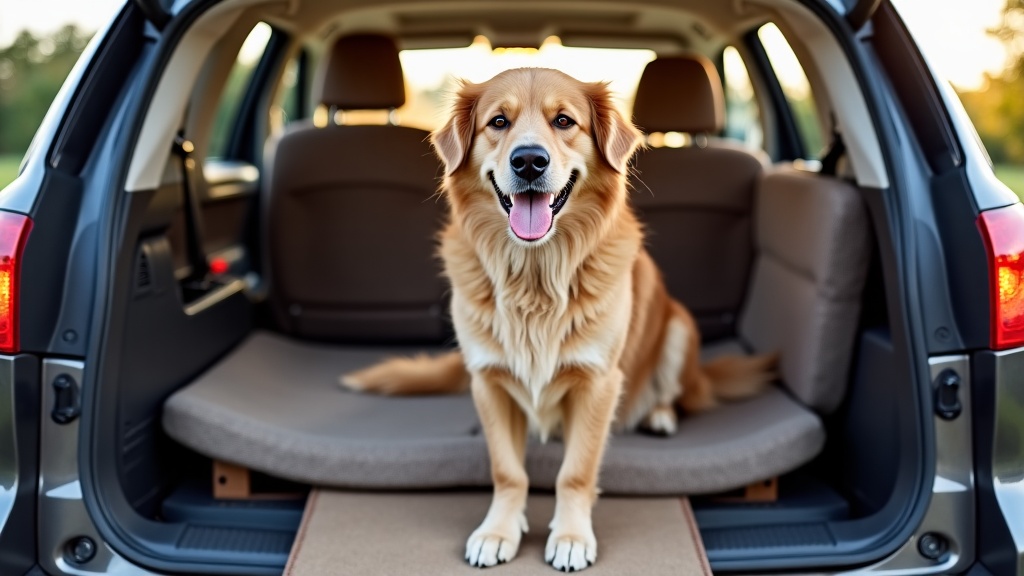
Best Dog Ramps for Senior Dogs: Car, Couch and Bed Access Compared
When Cooper started hesitating before jumping into my SUV at age 7, I brushed it off as him being lazy. Two years later, his vet confirmed severe hip dysplasia — those jumps had been quietly damaging his joints for years. If you’re seeing your senior dog pause before jumping, or worse, attempting the leap anyway despite stiffness, a quality ramp isn’t just convenient — it’s joint preservation.
The best dog ramps for senior dogs depend entirely on where your dog needs help: car ramps need different engineering than bedroom ramps, and couch access requires yet another design. I spent months researching load ratings, incline angles, and traction materials after Cooper’s diagnosis, and I’m sharing what actually matters when you’re trying to protect aging joints.
Why Senior Dogs Need Ramps (Not Just Convenience)
Jumping down creates 4-5 times your dog’s body weight in impact force on their front legs and shoulders. For a 60-pound senior dog, that’s 240-300 pounds of pressure concentrated on joints that may already have arthritis, hip dysplasia, or degenerative changes you can’t see yet.
Veterinary orthopedic research shows that repeated high-impact jumping accelerates cartilage breakdown in dogs over 7 years old, even in breeds not typically prone to joint issues. Ramps reduce impact force by up to 80% compared to jumping — that’s the difference between managing arthritis and watching it rapidly progress.
I learned this the hard way with Cooper. Your dog won’t always show pain until the damage is significant. By the time they’re visibly limping, you’re managing advanced joint disease, not preventing it.
Types of Dog Ramps: Car vs. Couch vs. Bed
Car Ramps for Senior Dogs
Car ramps need to handle the highest incline (24-36 inches typically) and support your dog’s full weight dynamically as they walk. Look for ramps rated for at least 150-200 pounds even for medium dogs — the rating needs to account for movement, not static weight.
Telescoping dog car ramps with telescoping extension work for SUVs and trucks, while bi-fold bi-fold portable dog car ramps collapse for sedan trunks. The critical spec is incline angle — anything over 30 degrees is too steep for arthritic dogs.
Couch and Bed Ramps
Indoor ramps face a lower incline (18-24 inches usually) but need non-slip surfaces that won’t damage floors. Carpeted dog ramps for couches provide traction without the hard plastic textures that some dogs refuse to walk on.
Foam foam dog ramps for beds work well for smaller senior dogs (under 40 pounds) but compress over time with heavier dogs. If your dog is over 50 pounds, rigid frame ramps last longer.
Multi-Purpose Ramps
Adjustable adjustable dog ramps for indoor and outdoor use can work for both car and home use if you don’t mind moving them. They’re cost-effective but usually heavier (15-25 pounds), which matters if you’re loading them in and out of your vehicle daily.
Dog Ramp Comparison: What Works Where
| Ramp Type | Best For | Weight Capacity | Key Feature | Drawback |
|---|---|---|---|---|
| Telescoping Car Ramp | SUVs, trucks, high vehicles | 150-250 lbs | Adjustable length controls incline | Heavy (20-30 lbs) |
| Bi-Fold Car Ramp | Sedans, lower vehicles | 100-200 lbs | Compact storage, lighter weight | Fixed length limits use |
| Carpeted Indoor Ramp | Couch, bed, furniture | 75-150 lbs | Floor-friendly, quiet, washable cover | Not weatherproof |
| Foam Ramp/Steps | Small dogs, beds | 50-100 lbs | Lightweight, soft surface | Compresses over time |
| Adjustable Multi-Use | Car + home use | 150-200 lbs | Versatile height settings | Bulky to move frequently |
What to Look for When Choosing a Ramp
Incline Angle (Most Important)
Calculate your ramp’s angle: for every 12 inches of height, you need at least 36-48 inches of ramp length to stay under 25 degrees. A 30-inch SUV height needs a 6-7 foot ramp minimum for safe senior dog use. Steeper angles force dogs to strain their rear legs and hips — exactly what you’re trying to avoid.
I measured Cooper’s rear leg extension when he walked normally, then compared it to his gait on various inclines. Anything over 28 degrees made him compensate with his front shoulders, defeating the purpose.
Traction Surface
Rubberized or sandpaper-texture surfaces work better than raised ridges for arthritic dogs with reduced paw sensitivity. Some dogs refuse hard plastic textures entirely — if your dog is texture-sensitive, dog ramps with full rubber traction surfaces have better acceptance rates.
Test this: if your dog slips on your kitchen tile, they’ll slip on smooth plastic ramps. Match traction to their confidence level.
Side Rails and Edges
Older dogs with vision problems or cognitive decline need clear boundaries. Raised side rails (2-4 inches high) prevent accidental stepping off the edge, which can cause falls worse than jumping. Dog ramps with raised safety side rails are essential for dogs over 10 years or those with any neurological issues.
Weight Capacity vs. Actual Weight
Multiply your dog’s static weight by 1.5x for a safe working capacity. A 70-pound dog moving down a ramp creates dynamic force — don’t use a ramp rated for exactly 70 pounds. I use 150-200 pound rated heavy duty dog ramps rated for 200+ pounds even though Cooper was only 65 pounds at his heaviest.
Training Your Senior Dog to Use a Ramp
Even the best-designed ramp fails if your dog won’t use it. Start with the ramp nearly flat on the ground, reward them for walking across it, then gradually increase the angle over 1-2 weeks. Never force them.
Cooper took three weeks to trust his car ramp because I rushed the training initially. High-value treats (real chicken, not kibble) at the top of the ramp created positive association. Some dogs need you to walk the ramp with them the first dozen times — your presence signals safety.
For anxious dogs, high-value dog training treats for ramp introduction speed up acceptance significantly.
When to Choose Steps vs. Ramps
Ramps are superior for dogs with hip dysplasia, arthritis, or rear leg weakness because steps still require vertical leg lift and impact on landing. But for small dogs under 20 pounds with mild stiffness, pet steps for small dogs may work if space is limited.
The exception: dogs with severe neurological issues sometimes handle wide, shallow steps better than smooth inclines because each step provides a distinct “platform” reference point. Talk to your vet if your dog has vestibular disease or degenerative myelopathy.
Maintenance and Safety Checks
Check your ramp monthly for:
- Surface wear: Traction material degrades with outdoor UV exposure and wet/dry cycles
- Hinge integrity: Folding ramps develop play in joints after 6-12 months of daily use
- Non-slip feet: Rubber feet wear down and can cause the ramp to shift during use
- Weight capacity degradation: Plastic ramps lose structural integrity over time — if you notice flexing that wasn’t there initially, replace it
Cooper’s first ramp developed a slight bow after 8 months that I didn’t notice until he started hesitating on it again. Ramps are safety equipment, not lifetime purchases.
Frequently Asked Questions
What angle should a dog ramp be for senior dogs?
Aim for 18-25 degrees maximum incline for senior dogs with arthritis. Calculate this by ensuring your ramp is 3-4 times as long as the height it needs to reach. A 24-inch high bed needs a 6-8 foot ramp for a safe, gentle slope. Steeper angles defeat the joint-protection purpose of using a ramp.
Will my dog actually use a ramp or just keep jumping?
Most dogs need 1-3 weeks of positive reinforcement training to prefer ramps over jumping. Block the jumping route initially (close car doors, use your body to guide them to the ramp) and reward ramp use heavily with high-value treats. Once they realize the ramp is easier on their joints, most senior dogs self-select it. Cooper ignored his ramp for 10 days until his hip pain increased — then he never jumped again.
Can I use the same ramp for my car and my couch?
Technically yes, but it’s inconvenient and most people stop using it consistently. Car ramps need weather-resistant materials and aggressive traction that’s often too rough for indoor flooring and carpet. If budget allows, dedicated ramps for each location get used more reliably — and consistency is what protects joints, not occasional use.
How do I know if my dog needs a ramp or if I’m overreacting?
Watch for hesitation before jumps, bunny-hopping rear leg gait after jumping down, stiffness after car rides, or reduced enthusiasm for activities involving jumping. These are early arthritis signs. Your vet can’t feel cartilage damage on physical exam — by the time X-rays show arthritis, it’s moderate to advanced. Ramps are preventive for any dog over 7 years old, not just symptomatic treatment.
What’s the best ramp for a large senior dog getting into an SUV?
Look for telescoping ramps rated for 200+ pounds with at least 6-7 feet of extension length and rubberized traction surface. The extra-long telescoping dog ramps for SUVs and large dogs with safety tethers prevent the ramp from sliding during use. Expect to pay $80-150 for quality construction — cheaper ramps flex under large dog weight and create hesitation.