
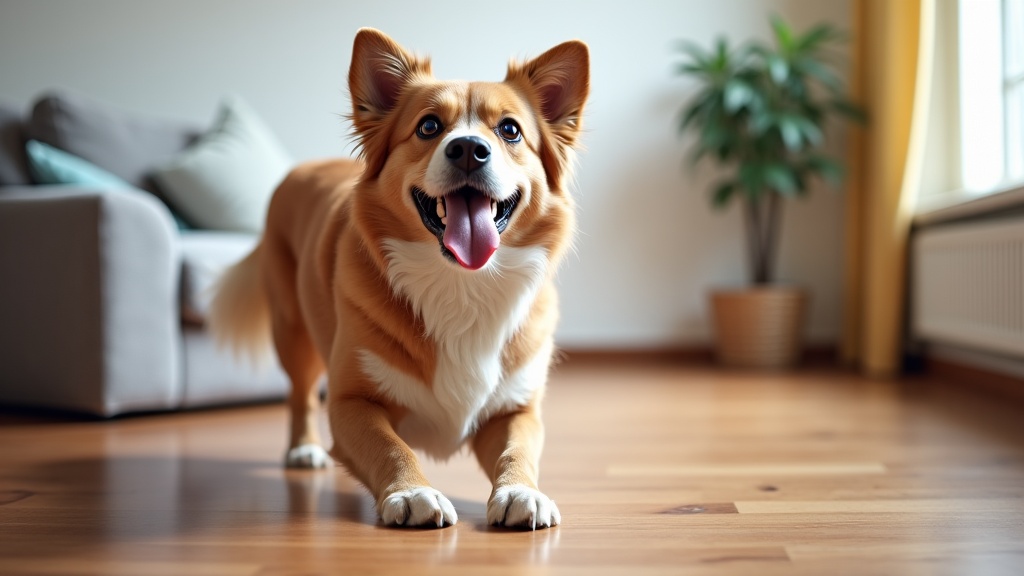
When Cooper started struggling to get up from his bed at seven, I didn’t realize arthritis was already limiting his world. I spent the next two years watching him hesitate at stairs, slip on our hardwood floors, and gradually stop jumping onto the couch he’d claimed since puppyhood—all because I didn’t know that simple home modifications could have given him back his comfort and confidence.
After losing Cooper and diving into the research on canine arthritis, I learned that environmental changes often make as much difference as medication. Your home doesn’t need an expensive renovation—most modifications cost under $50 and take minutes to implement. Here are the 15 changes that actually matter, based on veterinary orthopedic research and what I wish I’d known sooner.
Flooring and Traction Modifications
1. Add Non-Slip Rugs and Runners on Hard Floors
Slippery floors force arthritic dogs to tense their muscles constantly for balance, amplifying joint pain. I place washable non-slip runner rugs in high-traffic paths—from the bed to the water bowl, along hallways, and anywhere your dog walks frequently. Look for rubber-backed options that won’t slide under your dog’s weight.
2. Use Yoga Mats as Temporary Traction
Before you invest in permanent flooring, try extra thick yoga mats in problem areas. They’re inexpensive, easy to clean, and provide excellent grip. I keep one by the back door where Cooper used to scramble on tile after coming in from outside.
3. Apply Dog Paw Grips or Booties
For dogs who refuse to use ramps or can’t avoid slick surfaces, dog paw grip socks provide traction directly at the source. They take some acclimation, but many senior dogs adapt within a few days. Look for options with individual toe grips rather than full booties for better proprioception.
Stairs and Elevation Changes
4. Install Pet Ramps for Furniture Access
Jumping down from furniture creates 3-5 times your dog’s body weight in joint impact. A dog ramp for beds or couches reduces that force to nearly zero. Choose ramps with at least a 7:1 length-to-height ratio (a 24-inch bed needs a 14-foot ramp ideally, though 4-6 feet is the practical compromise most people make).
5. Use Pet Stairs for Smaller Elevation Changes
If space doesn’t allow for ramps, pet stairs with storage provide intermediate steps that halve the joint stress of each jump. The key is finding stairs with deep treads (at least 6 inches) so your dog doesn’t have to take tiny, awkward steps.
6. Block Off Household Stairs During Pain Flares
During acute arthritis episodes, stairs become genuinely dangerous. I use a extra tall pet gate to temporarily limit access until inflammation subsides. It’s not permanent isolation—it’s injury prevention during vulnerable periods.
Bedding and Rest Areas
7. Replace Thin Beds with Orthopedic Memory Foam
Pressure points on thin beds worsen joint pain overnight. An orthopedic dog bed with memory foam distributes weight evenly and reduces morning stiffness. Look for at least 4 inches of foam for dogs over 50 pounds, 3 inches for smaller breeds.
8. Add Heated Beds for Chronic Pain Relief
Heat therapy increases blood flow to inflamed joints and relaxes tight muscles. A heated dog bed for arthritis provides consistent warmth without the fire risk of heating pads. I use one during Portland’s damp winters when Cooper’s stiffness was always worse.
9. Lower Bed Edges for Easier Entry
High-sided bolster beds force arthritic dogs to lift their legs unnaturally high. Switch to low-profile beds or flat orthopedic dog beds that dogs can walk directly onto. If your dog loves bolsters for head support, look for designs with one low entry side.
Food and Water Station Adjustments
10. Elevate Food and Water Bowls
Bending down to floor-level bowls strains the neck, shoulders, and elbows—all common arthritis sites. Elevated dog bowls with adjustable heights let your dog eat and drink in a neutral spine position. The bowl rim should align with your dog’s lower chest when standing.
11. Use Shallow, Wide Water Bowls
Deep bowls require more neck extension. A shallow, wide dog water bowl allows easier drinking with minimal joint movement. This matters more than most people realize—dehydration worsens arthritis symptoms, and dogs in pain drink less if it hurts.
Mobility Support Throughout the Home
12. Install Support Harnesses for Stability
For dogs with severe hip or rear leg arthritis, a dog rear support harness lets you assist during walks, stair navigation, or getting up. Look for designs with padded handles and chest support, not just straps around the hips.
13. Create a Ground-Floor Living Space
If your dog’s bedroom is upstairs but arthritis makes stairs painful, move their sleeping area, food, and water to the main floor. This isn’t giving up—it’s prioritizing quality of life over habit. I moved Cooper’s entire setup to our living room during his last year, and the reduction in daily stress was immediate.
Outdoor Access Modifications
14. Install Ramps for Outdoor Steps
Those two or three steps from your back door might not seem like much, but they’re often the most frequent source of joint stress in your dog’s day. A outdoor pet ramp that’s weatherproof eliminates dozens of painful impacts daily. Choose textured surfaces that provide grip even when wet.
15. Add Motion-Activated Outdoor Lighting
Arthritic dogs move more carefully, and nighttime bathroom trips on dark stairs or uneven ground increase fall risk. Motion-activated outdoor lights illuminate the path automatically, reducing hesitation and missteps.
Quick Reference: Modification Priority by Arthritis Location
| Arthritis Location | High-Priority Modifications | Why It Matters |
|---|---|---|
| Hips/Rear Legs | Ramps, non-slip flooring, support harness | Reduces strain during standing and prevents rear-end slipping |
| Front Legs/Elbows | Elevated bowls, low-entry beds, traction aids | Minimizes weight-bearing on painful front limbs |
| Spine/Neck | Elevated bowls, orthopedic beds, block stairs | Maintains neutral spine position and prevents flexion pain |
| Multiple Joints | Heated bed, traction flooring, ground-floor living | Comprehensive support reduces cumulative daily strain |
Implementation Strategy: Where to Start
Don’t try to implement all 15 modifications at once. Start with the “Big Three” that provide the most immediate relief:
- Traction on floors — Prevents injury and reduces muscle tension throughout the day
- Orthopedic bedding — Addresses pain during the 12-16 hours your dog spends resting
- Ramps or stairs for furniture — Eliminates the highest-impact movements in your dog’s routine
After those are in place, add modifications based on where your dog shows the most difficulty. If they struggle to stand from lying down, prioritize heated beds and better sleeping surfaces. If stairs cause hesitation, focus on ramps and gates. Let your dog’s behavior guide your choices.
What the Research Actually Says
A 2019 study in the Journal of Veterinary Behavior found that environmental modifications reduced observable pain behaviors in 73% of dogs with osteoarthritis, with flooring changes and elevated feeding stations showing the strongest effects. The study noted that owners often underestimate the cumulative impact of small, repeated joint stresses—exactly what home modifications address.
The key finding: dogs who received both medical management and environmental modifications showed better mobility scores than those who received medication alone. Your home setup isn’t just about comfort—it’s genuinely therapeutic.
Common Mistakes to Avoid
Using ramps that are too steep: A 45-degree ramp is nearly as hard on joints as stairs. Aim for angles under 20 degrees, which means longer ramps than you probably think you need.
Assuming your dog will figure out new equipment: Ramps and stairs require training with treats and patience. Cooper never used his first ramp because I just placed it and expected him to understand it.
Waiting until arthritis is severe: Early modifications slow progression by reducing daily joint damage. Don’t wait until your dog is in obvious pain.
Frequently Asked Questions
How much do home modifications typically cost for a dog with arthritis?
The essential modifications (non-slip rugs, orthopedic bed, elevated bowls, and a basic ramp) typically run $150-300 total if purchased thoughtfully. You don’t need to buy everything at once—start with traction solutions (often under $50) and add from there based on your dog’s specific needs. Many modifications use items you already own, like yoga mats or repositioned furniture.
Will ramps and modifications make my dog lazy or weaken their muscles?
No. This is a common misconception. Reducing pain through environmental modifications actually encourages more movement, not less. When every step hurts, dogs move less overall and lose muscle faster. Ramps and traction aids let them stay active without the joint-damaging impacts that accelerate arthritis. Think of it like using a knee brace for a human athlete—it’s support that enables activity, not a replacement for it.
My dog refuses to use the ramp I bought. What am I doing wrong?
Most dogs need gradual training to accept ramps. Start by placing the ramp nearly flat on the ground and rewarding your dog for walking across it. Over several days, gradually increase the incline. Use high-value treats and never force—let your dog’s comfort level dictate the pace. Some dogs prefer ramps with side rails for security, while others do better with wider, open ramps. The texture matters too; ensure the surface provides good grip and doesn’t feel slippery under their paws.
Should I carry my dog instead of using modifications?
Carrying should be a last resort for emergencies only. Regular carrying weakens muscles rapidly and creates learned helplessness—your dog may stop trying to move independently. It also risks injury to both of you (back injuries for owners of large dogs, and awkward limb positions for the dog). Modifications like support harnesses let you assist without fully carrying, maintaining your dog’s muscle engagement and dignity.
How do I know which modifications my dog needs most?
Watch where your dog hesitates, struggles, or changes behavior. Do they pause before jumping down from the couch? That signals a need for ramps. Are they slipping on the kitchen floor? Prioritize traction. Do they seem stiff after sleeping? Focus on bedding quality. Video your dog during normal activities, then watch in slow motion—you’ll spot compensatory movements and pain signals you miss in real-time. Your vet can also assess gait and recommend modifications based on which joints are most affected.