From Jamie

Dog dental health, longevity research, and what I wish I had known before Cooper.

Senior Dog Health

Senior dog care guides: joint support, cognitive health, diet adjustments, and how to give your older dog the best years yet.

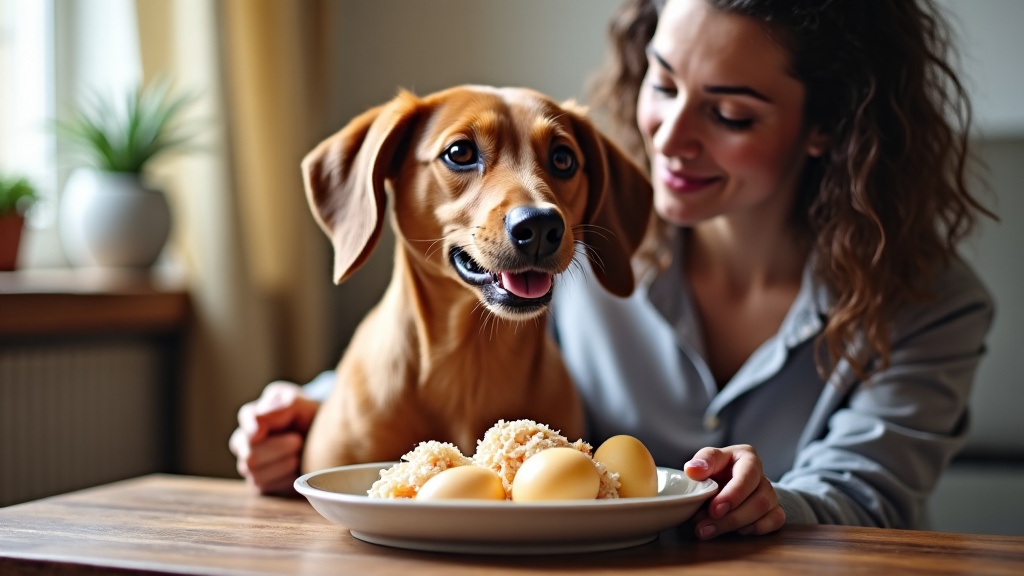
Will eggs make my dog gain weight?

I wouldn?t treat eggs as a magic food for weight gain, but yes, they can make a dog gain weight if you add them on top of their usual meals often enough. A plain large egg has roughly 70 calories, plus protein and fat. For some dogs, especially active dogs or seniors who need a […]

What can I do to satisfy my picky eater?

I have a soft spot for dogs who suddenly decide yesterday’s perfectly good dinner is now beneath them. After losing my golden Cooper at 9, I learned to take appetite changes seriously first and treat “picky” second, because sometimes the fix is routine, and sometimes it’s your dog’s way of telling you something hurts. If

What ingredients support digestive health in senior dogs?

I learned the hard way that an older dog?s stomach can change before the rest of them seems ?old.? When my golden Cooper started having more gurgly nights, softer stools, and less enthusiasm around meals, I realized digestive health in senior dogs is not one ingredient or one miracle food. It is a pattern: easier-to-digest

Why Do Old Dogs Pant At Night

I learned the hard way that nighttime changes in an older dog are easy to dismiss until they become a pattern. When a senior dog starts panting at night, the most common explanations are pain, anxiety, overheating, medication side effects, heart or lung disease, hormone disorders like Cushing?s, or a body that is simply working

Senior Dog Panting At Night For No Reason

I do not treat a senior dog panting at night in a cool, quiet house as ?for no reason.? In my experience as a careful dog-health researcher and a dog mom who has lived through the awful guessing game, nighttime panting usually means something is off: pain, anxiety, heat, medication side effects, cognitive changes, or

Old Dog Losing Muscle In Back Legs

I learned the hard way that ?he?s just slowing down? can hide a real problem. When an old dog starts losing muscle in the back legs, the most common reasons are age-related muscle loss, arthritis that reduces activity, nerve or spinal disease, or an underlying illness that makes it harder to maintain weight and strength.

Senior Dog Losing Muscle Mass Hind Legs

I?ve lived through the way subtle mobility changes in an older dog can sneak up on you. One week your dog is slower getting up, the next you notice the hind legs look thinner, and suddenly you?re wondering whether this is normal aging or the start of something serious. The short answer is this: a

Urinary Incontinence In Senior Male Dogs

When a senior male dog starts leaving wet spots on the bed or dribbling urine after a nap, most of us go straight to worry. I would too. The short answer is that urinary incontinence in senior male dogs is real, often manageable, and not something to brush off as “just old age.” Sometimes the

Do you provide emergency or after-hours care?

No. I do not provide emergency or after-hours veterinary care, and DogAgeWell is not a clinic. This site is for education only. If your dog is having trouble breathing, collapses, has uncontrolled bleeding, is straining to urinate without producing urine, has a seizure that will not stop, or may have eaten something toxic, call an

How long will I have access to the course?

I always want the short answer first, especially when I am deciding whether a course is actually worth my time and money. If you are asking How long will I have access to the course?, the answer should be simple: ideally, you should have access long enough to revisit the material as your dog ages,

Scroll to Top